Marjorie Rambeau
Actor
- Born
- July 15, 1889, San Francisco, California, USA
- Died
- July 6, 1970
- Active
- 1908-1952
Films 1
About Marjorie Rambeau
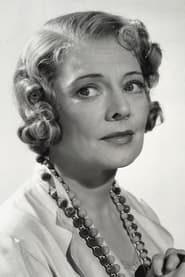
Marjorie Rambeau was one of the most distinguished character actresses of the stage and screen in the early twentieth century, remembered for her forceful presence, emotional intelligence, and unusual range. Born in San Francisco, she began performing at a young age and worked extensively on the legitimate stage before becoming a noted Broadway actress, where she developed the commanding personality that later made her such a memorable screen performer. She entered films during the silent era and made a particularly successful transition to sound, where her husky voice and vivid characterizations were ideally suited to talkies. Although never a conventional leading lady, she excelled in strongly drawn supporting roles, often portraying women with grit, sorrow, resilience, or worldly experience. Her film work in the 1930s and 1940s includes notable performances in Min and Bill, The Easiest Way, Stage Door, Primrose Path, and Torch Song, the last of which brought her an Academy Award nomination. Rambeau remained active for decades in both film and theater, and she was admired as an actor who could convey a great deal with a glance, a sharp line reading, or a single gesture. Her career exemplifies the transition from stage prestige to Hollywood character acting, and she is remembered as one of the most accomplished dramatic actresses of her era.
More about Marjorie Rambeau
On screen
Rambeau's acting style was bold, highly expressive, and rooted in theatrical discipline rather than naturalistic understatement. She was especially effective at conveying toughness mixed with vulnerability, often giving her characters a scarred, wise, or weary quality that felt lived-in and emotionally specific. In talkies, her distinctive voice and crisp phrasing became important parts of her screen persona, allowing her to move easily between bitterness, wit, pathos, and authority. She had the rare ability to dominate a scene without resorting to broad excess, and her performances often balanced melodramatic intensity with keen observational detail.
In film history
Marjorie Rambeau helped define a vital screen type in early Hollywood: the hard-edged, emotionally complicated woman whose experience gave her authority. In an era when many actresses were expected to embody idealized femininity, she made a career of portraying women marked by hardship, class tension, fatigue, and resilience. Her performances contributed to the depth and credibility of supporting roles in studio-era drama, showing that character parts could be as psychologically vivid and memorable as leading roles. Because she moved successfully from stage to silent film to sound film, she also stands as an important example of adaptability during one of the most disruptive transitions in cinema history. Her career helped establish the value of mature female performers in Hollywood, especially in roles that required both toughness and sympathy.
Later reputation
Rambeau's lasting legacy lies in the authority and specificity she brought to character acting. She is remembered by classic-film historians as one of the great supporting actresses of the early sound era, a performer whose work enriched even when she was not the central figure in a film. Her Oscar nominations, spread over more than two decades, reflect both her longevity and the industry's respect for her craft. She remains a touchstone for studies of women in classic Hollywood because her career demonstrates how strong personality, stage training, and vocal individuality could create a durable screen identity. In film history, she occupies an important place among those actresses who gave emotional texture to studio dramas and helped broaden the kinds of female roles considered artistically significant.
Influence
Rambeau influenced later generations of character actresses by demonstrating that older or less conventionally glamorous women could command major dramatic attention on screen. Her performances suggested a model of acting that prized vocal character, emotional shading, and physical presence over beauty-centered stardom. She also helped normalize the idea that supporting roles could carry prestige and awards recognition, a pattern that became increasingly important in Hollywood's ensemble-driven dramas. Her work remains instructive for actors studying how to project lived experience and complexity within the constraints of studio-era filmmaking.
Off screen
Marjorie Rambeau was known for a life that combined professional longevity with a degree of privacy uncommon among early Hollywood personalities. She was married multiple times, and her personal life was sometimes noted in the press, but she was generally remembered more for her professional accomplishments than for scandal or celebrity gossip. She had no widely documented children. Her long career and stage background suggest a disciplined, career-centered life devoted primarily to acting and performance.
Education
Formal higher education is not prominently documented; she was trained largely through stage experience and early performance work rather than a known academic acting program.
Credits
- Built a successful early career on Broadway before becoming a respected film actress in silent and sound cinema
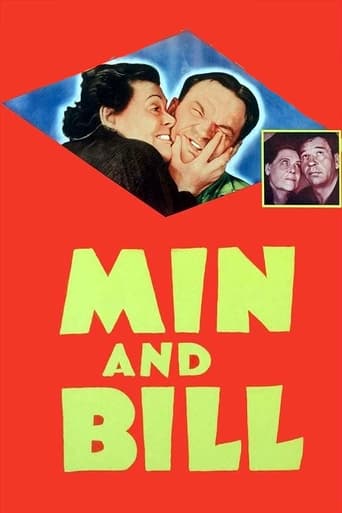
- Appeared in Min and Bill (1930), one of her best-known early sound film roles, helping establish her screen reputation in the talkie era
- Received Academy Award nominations for The Easiest Way (1931) and Torch Song (1953), demonstrating unusually long-lasting recognition
- Delivered acclaimed supporting performances in Stage Door (1937), Primrose Path (1940), and Her Kind of Woman (1951)
- Was celebrated as one of Hollywood's most distinctive character actresses, especially in emotionally complex maternal, hardened, or tragic roles
- Maintained a long professional life that bridged stage melodrama, silent pictures, early talkies, and postwar studio-era filmmaking
Roles
- Maggie in Min and Bill
- Rose in The Easiest Way
- Gertie in Stage Door
- Mamie Adams in Primrose Path
- Trixie in Torch Song
Films
- Min and Bill (1930)
- The Easiest Way (1931)
- Stage Door (1937)
- Primrose Path (1940)
- Torch Song (1953)
Awards
- Nominated for the Academy Award for Best Actress for The Easiest Way (1931)
- Nominated for the Academy Award for Best Supporting Actress for Torch Song (1953)
Nominations
- Academy Award for Best Actress nomination for The Easiest Way (1931)
- Academy Award for Best Supporting Actress nomination for Torch Song (1953)
Collaborators
- John Ford
- William A. Wellman
- S. Sylvan Simon
- MGM and Warner Bros. ensemble casts
Studios
- Metro-Goldwyn-Mayer
- Warner Bros.
- Paramount Pictures
- Various Broadway theater productions
Family
- Hugh Dillman (married 1923; divorced 1925)
- Willis H. O'Brien (married 1929; divorced 1930)
- Edward Mead (married 1930; details of dissolution not consistently documented)
Notes
- She was born in San Francisco and became a professional performer at a very young age.
- Rambeau was a successful Broadway actress before she became widely known in films.
- She made an especially smooth transition into sound pictures because of her distinctive voice and theatrical delivery.
- Her Academy Award nominations came more than twenty years apart, underscoring her remarkable longevity.
- Although often cast in supporting roles, she frequently left a stronger impression than many leads in the films she appeared in.
- She was particularly effective in roles involving working-class toughness, maternal sorrow, or world-weary glamour.
- Her performance in Stage Door helped solidify her reputation as a first-rate character actress.
- She remained active in motion pictures well into the 1950s, long after many of her silent-era contemporaries had retired.
Questions
Who was Marjorie Rambeau?
Marjorie Rambeau was an American stage and film actress known for her powerful character performances in silent films, early talkies, and later studio-era dramas. She was especially admired for portraying tough, emotionally complex women with a strong theatrical presence.
What films is Marjorie Rambeau best known for?
She is best known for Min and Bill (1930), The Easiest Way (1931), Stage Door (1937), Primrose Path (1940), and Torch Song (1953). These films showcase her range from hardened, worldly women to deeply sympathetic dramatic characters.
When was Marjorie Rambeau born and when did she die?
She was born on July 15, 1889, in San Francisco, California, USA. She died on July 6, 1970.
What awards did Marjorie Rambeau win?
She was nominated for two Academy Awards, one for The Easiest Way and another for Torch Song. No major competitive award wins are firmly documented in the standard classic-cinema record, but her nominations reflect significant industry recognition.
What was Marjorie Rambeau's acting style?
Her acting style was theatrical, forceful, and emotionally precise, with a distinctive voice that served her especially well in sound films. She specialized in layered supporting roles, often blending toughness, sadness, wit, and lived experience.
What is Marjorie Rambeau's legacy in film history?
Her legacy is that of one of Hollywood's great character actresses, especially important in the transition from stage to screen and from silent film to talkies. She showed that supporting roles could be artistically rich and award-worthy, and she helped define a durable screen archetype of the strong, weary, complicated woman.