
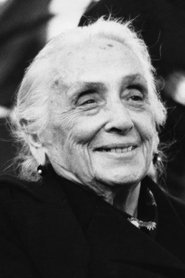
Dolores Ibárruri
Actor
Born: December 4, 1895 in Gallarta, Biscay, Basque Country, Spain Died: November 12, 1989 Active: 1934-1934 (film appearance only) Birth Name: Dolores Ibárruri Gómez
Films
1 film
About Dolores Ibárruri
Dolores Ibárruri Gómez (1895-1989), known as 'La Pasionaria,' was not actually an actress but a prominent Spanish communist politician and revolutionary. She served as a key figure in the Spanish Communist Party and became internationally famous for her passionate speeches during the Spanish Civil War. Her brief appearance in the Soviet film 'Three Songs About Lenin' (1934) was as herself, representing international communist solidarity rather than as a professional actress. Throughout her political career, she was known for her powerful oratory and unwavering commitment to communist ideals. After Franco's victory in Spain, she lived in exile in the Soviet Union for decades before returning to Spain following democracy's restoration. Her cinematic appearance represents a rare intersection of her political activism with Soviet propaganda filmmaking, where she was featured as a symbol of international revolutionary spirit.
The Craft
On Screen
Not applicable - appeared as herself in documentary footage
Milestones
- General Secretary of the Communist Party of Spain (1944-1960)
- President of the Communist Party of Spain (1960-1989)
- Appeared in Soviet documentary 'Three Songs About Lenin' (1934)
- Famous for her slogan '¡No Pasarán!' during the Spanish Civil War
- Served in the Spanish Parliament after returning from exile
Best Known For
Iconic Roles
Must-See Films
Accolades
Won
- Order of Lenin (Soviet Union, 1964)
- Order of the October Revolution (Soviet Union, 1971)
- International Lenin Peace Prize (1964)
Special Recognition
- Honorary President of the Communist Party of Spain for life
- Multiple Soviet state decorations
- International recognition as anti-fascist symbol
Working Relationships
Worked Often With
Studios
Why They Matter
Impact on Culture
Dolores Ibárruri's appearance in 'Three Songs About Lenin' represents a fascinating intersection of political propaganda and cinema during the early Soviet era. The film, directed by documentarian Dziga Vertov, used her image to symbolize the international reach of Leninist ideology. Her inclusion in this Soviet documentary demonstrates how cinema was employed as a tool for political messaging and international communist solidarity. While not a professional actress, her charismatic presence and political significance made her an effective symbol in the film's narrative about Lenin's global influence. This brief cinematic moment contributed to her international recognition as 'La Pasionaria,' helping to establish her as.
Lasting Legacy
Dolores Ibárruri's legacy extends far beyond her brief film appearance, though 'Three Songs About Lenin' serves as an interesting historical artifact of her international stature. She is remembered as one of Spain's most influential political figures, a symbol of resistance against fascism, and a powerful female voice in international communism. Her famous cry '¡No Pasarán!' (They Shall Not Pass) during the Siege of Madrid became an enduring anti-fascist slogan. The documentary appearance, while minor, captures a moment when Soviet cinema sought to showcase the global nature of communist revolution. Her life story reflects the tumultuous political history of 20th-century Europe, from the Spanish Civil War through the Cold War, making her a significant figure in both political and cultural history.
Who They Inspired
Though not a filmmaker or actress, Ibárruri influenced cinema indirectly through her political significance and the way her image was used in propaganda films. Her passionate oratory style and charismatic presence influenced how political figures were portrayed in documentary filmmaking. The use of her image in 'Three Songs About Lenin' demonstrated the power of cinema to create international political symbols. Her life story has inspired numerous films, documentaries, and theatrical productions about the Spanish Civil War and international communism. She showed how political figures could become cinematic icons without being professional actors, influencing how documentary filmmakers approached the representation of political leadership and revolutionary movements.
Off Screen
Dolores Ibárruri was deeply committed to her political ideals throughout her life, which often took precedence over personal matters. She married Julio Ruiz de Albéniz, a fellow communist activist, with whom she had six children. Her political activities led to multiple imprisonments and eventually forced her into exile after the Spanish Civil War. She spent 38 years in the Soviet Union during Franco's regime, maintaining her political work from abroad. Her personal life was inseparable from her political activism, and she remained dedicated to the communist cause until her death at age 93.
Education
Limited formal education due to poverty; largely self-taught through political literature and activism
Family
- Julio Ruiz de Albéniz (1916-1942, his death)
Did You Know?
- Her nickname 'La Pasionaria' (The Passionflower) came from her passionate, fiery speeches
- She originally wanted to be a teacher before becoming involved in politics
- Her son Rubén died fighting for the Soviet Red Army in the Battle of Stalingrad
- She learned to read and write as a teenager while working as a seamstress
- Her famous slogan '¡No Pasarán!' became
- She spent 38 years in exile in the Soviet Union before returning to Spain in 1977
- She was one of the first women elected to the Spanish Parliament in 1936
- Her appearance in 'Three Songs About Lenin' was one of her few documented film appearances
- She remained politically active until her death at age 93
- The Soviet Union issued postage stamps bearing her image
In Their Own Words
¡No Pasarán! (They Shall Not Pass!) - Her famous cry during the Siege of Madrid, 1936
It is better to die on your feet than to live on your knees - Frequently attributed to her speeches
The Spanish people will never accept fascism as their way of life
Our struggle is not just for Spain, but for all workers and oppressed peoples of the world
Frequently Asked Questions
Who was Dolores Ibárruri?
Dolores Ibárruri, known as 'La Pasionaria,' was a prominent Spanish communist politician and revolutionary leader who became internationally famous for her role in the Spanish Civil War. Though not a professional actress, she appeared in the Soviet documentary 'Three Songs About Lenin' (1934) as herself, representing international communist solidarity.
What films is Dolores Ibárruri best known for?
Titles linked here include Three Songs About Lenin (1934).
When was Dolores Ibárruri born and when did she die?
Born December 4, 1895; died November 12, 1989.
What awards did Dolores Ibárruri win?
She received numerous political honors including the Order of Lenin (1964), the Order of the October Revolution (1971), and the International Lenin Peace Prize (1964), rather than film industry awards.
What was Dolores Ibárruri's acting style?
Dolores Ibárruri was not an actress and had no acting style. Her appearance in 'Three Songs About Lenin' was as herself, representing her authentic political persona rather than a performance.
Why was Dolores Ibárruri included in 'Three Songs About Lenin'?
She was included in the Soviet documentary as a symbol of international communist solidarity and to demonstrate Lenin's global influence. The film used her image to represent the international reach of communist ideology.
What was Dolores Ibárruri's role in Spanish history?
She was a key figure in the Spanish Communist Party, famous for her leadership during the Spanish Civil War and her iconic slogan '¡No Pasarán!' She spent decades in exile after Franco's victory and returned to Spain following the restoration of democracy.