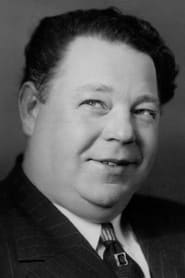
Edvard Persson
Actor & Director
- Born
- January 17, 1888, Malmö, Sweden
- Died
- September 19, 1957
- Active
- 1924-1957
Films 1
About Edvard Persson
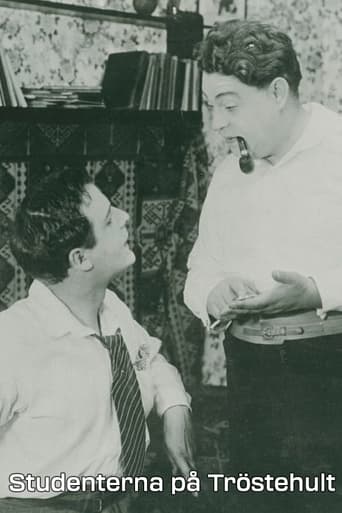
Edvard Persson was a Swedish actor, singer, and film director best remembered as one of the most beloved popular entertainers in Swedish cinema during the first half of the 20th century. He was born in Malmö and rose from stage and revue work into film, where his warm, folksy persona and distinctly regional charm made him a major box-office attraction. Although he is sometimes associated with early silent-era screen work, his enduring fame came largely through sound films that showcased his expressive speaking voice and singing ability, especially in stories rooted in Scania and other southern Swedish settings. Persson's screen image often centered on ordinary people, rural life, humor, and gentle sentiment, making him a reassuring and widely accessible figure for Swedish audiences. He also directed at least one feature, The Students at Tröstehult (1924), which places him among the small number of performers of his era who briefly worked behind the camera as well as in front of it. Over time, he became an emblem of Swedish popular culture, especially for audiences who valued his dialect, musical numbers, and homespun personality. His legacy endures as a bridge between stage variety traditions and the Scandinavian sound film musical-comedy tradition.
More about Edvard Persson
On screen
Edvard Persson's acting style was rooted in popular stage performance, with emphasis on vocal expression, easy comic timing, and a natural, approachable persona. He tended to play genial, plainspoken, and often earthy characters, frequently drawing on regional dialect and understated humor rather than refinement or theatrical grandeur. His performances relied heavily on warmth, song, and audience rapport, making him especially effective in roles designed to feel familiar and comforting to mainstream viewers. Rather than psychological intensity, he specialized in character-based charm and a folksy authenticity that translated strongly to the sound film era.
Behind the camera
Very little is widely documented about Persson's directing approach, and his directorial filmography is essentially limited to The Students at Tröstehult (1924). Based on the nature of his broader career, his directing likely drew on theatrical and revue traditions rather than a strongly auteurist cinematic style. His work behind the camera appears to have been practical and performance-centered, emphasizing entertainment, timing, and audience appeal. Because his directorial output was so small, he is remembered far more as a performer than as a filmmaker with a distinct directing signature.
In film history
Edvard Persson had a major cultural impact in Sweden because he embodied a recognizable and warmly embraced national type: the humorous, kindly, working-class or rural southerner who speaks plainly and sings with conviction. In an era when cinema was becoming a mass medium, he gave Swedish audiences a performer who felt local, familiar, and unpretentious, which helped make domestic films especially appealing. His use of Scania-associated speech and mannerisms contributed to the visibility of regional identity in popular entertainment, and he became one of the defining figures of Swedish film sentiment and humor. As both a singer and actor, he also helped reinforce the importance of music-driven performance in Scandinavian screen entertainment, especially during the transition to sound.
Later reputation
Persson's legacy rests on his status as one of the most recognizable and cherished entertainers in Swedish film history. Even though his directorial work was minimal, his broader career as an actor and singer left a durable imprint on the image of Swedish popular cinema, especially in comedies and rural melodramas. He remains associated with a style of performance that values warmth, accessibility, and regional character, qualities that later audiences continued to find emblematic of an older Scandinavian screen tradition. In film history, he is remembered less for formal innovation than for the extraordinary audience affection he inspired and the way he helped shape a distinctly Swedish star persona. For historians of classic cinema, he represents an important figure in the transition from stage-derived entertainment to the sound film era in Northern Europe.
Influence
Persson influenced later Swedish performers by demonstrating that a strong regional identity and a natural speaking style could be central assets on screen rather than liabilities. His success showed that audiences responded enthusiastically to entertainers who could combine humor, song, and a recognizable social type. He also helped establish the viability of the folk-comedy and musical-comedy star model in Swedish cinema, paving the way for later performers who balanced acting with vocal performance. His enduring popularity made him a reference point for later discussions of national cinema, popular taste, and regional representation.
Off screen
Edvard Persson was closely associated with Swedish popular entertainment, and much of his public image was built around the down-to-earth, personable qualities that also characterized his private reputation. He worked for years across stage, revue, and film, suggesting a career shaped as much by performance circuits and live audiences as by studio filmmaking. Detailed biographical information about his family life is less prominently documented in standard film histories than his stage and screen career, but he remained a major national celebrity in Sweden for decades. His enduring popularity suggests a strong connection with audiences beyond the cinema, including those who knew him through songs and live appearances.
Education
Formal education details are not widely documented in standard film references; he is primarily known as a performer who developed through stage, revue, and entertainment work rather than through a conventional academic or conservatory background.
Credits
- Directed and acted in The Students at Tröstehult (1924), the film most directly associated with his brief work as a director
- Became one of Sweden's most popular screen personalities during the sound era through comic and musical roles
- Built a highly recognizable public image based on southern Swedish dialect, warmth, and folk-centered humor
- Starred in a series of commercially successful films that made him a household name in Sweden
- Established himself as a major crossover entertainer from stage and revue performance to film stardom
- Helped define a distinctly Swedish popular screen persona that blended music, comedy, and sentimental rural storytelling
Roles
- Cheerful, plainspoken folk hero
- Comic rural everyman
- Southern Swedish or Scania-based local character
- Warm-hearted singer-entertainer in musical comedy roles
Films
- The Students at Tröstehult (1924)
- The Emperor of Portugallia (1935)
- The People of Hemsö (1935)
- The Great John Ericsson (1937)
- Kalle på Spången (1940)
- Land of Desire (1938)
- South of the Highway (1936)
Collaborators
- Hugo Bolander
- Theodor Berthels
- Sigurd Wallén
- Märta Arbin
- Anders de Wahl
Studios
- Svensk Filmindustri
- Swedish stage and revue production circles
Notes
- He was born in Malmö, which placed him geographically and culturally close to the southern Swedish milieu that often colored his public persona.
- His fame extended beyond acting because he was also a singer, and his musical numbers were an important part of his appeal.
- The Students at Tröstehult (1924) is notable because it is the title most directly tied to his work as a director.
- Persson became especially identified with roles that celebrated ordinary people rather than aristocratic or glamorous characters.
- His screen image strongly emphasized warmth, humor, and regional authenticity, especially through southern Swedish dialect coloring.
- He was one of the major Swedish box-office names of the sound era, even though his career began in the silent period.
- His appeal was particularly strong among audiences who enjoyed nostalgic, rural, or folk-centered stories.
- Unlike many directors of his era, he is not remembered for a large body of behind-the-camera work, but for an extensive popular performance career.
Questions
Who was Edvard Persson?
Edvard Persson was a Swedish actor, singer, and occasional director who became one of the most popular entertainers in Swedish cinema. He was especially known for his warm, humorous screen presence and his ability to portray ordinary people with charm and familiarity.
What films is Edvard Persson best known for?
He is best remembered for The Students at Tröstehult (1924), the film connected to his directorial work, as well as major Swedish favorites such as The Emperor of Portugallia, The People of Hemsö, The Great John Ericsson, Kalle på Spången, Land of Desire, and South of the Highway.
When was Edvard Persson born and when did he die?
He was born on January 17, 1888, in Malmö, Sweden, and died on September 19, 1957. He lived through the transition from silent cinema to the full sound era and became especially famous in the latter period.
What awards did Edvard Persson win?
No major internationally standardized awards are prominently documented in widely used film-reference sources for him. His primary recognition came through immense public popularity and lasting cultural status in Sweden rather than through formal prize campaigns.
What was Edvard Persson's acting style?
His acting style was warm, direct, and rooted in popular stage entertainment, with a strong emphasis on dialect, song, and approachable humor. He specialized in plainspoken, good-natured characters who felt authentic and emotionally accessible to broad audiences.
What was Edvard Persson's legacy?
His legacy is that of a defining figure in Swedish popular cinema, especially as a performer who embodied a distinctly national and regional screen identity. He helped make folk comedy and musical storytelling central to audience appeal in Swedish film history.