The Students at Tröstehult
Plot
At Tröstehult castle in Skåne, Baron Brusenhielm is alarmed when he sees his little son Karl Oscar and the tenant’s daughter Ann-Marie innocently playing “mother and father,” and he immediately interprets the game as the first sign of a socially unacceptable romance. Determined to prevent what he imagines will become a misalliance, the Baron tries to maintain class boundaries and shape the boy’s future according to his own expectations. Years later, Karl Oscar is on the verge of graduating from high school, outwardly performing the role of a serious student while in fact neglecting church history in favor of reading The Seducer’s Diary, which reveals both his romantic imagination and his growing obsession with Ann-Marie. When Ann-Marie has grown into a young woman, the old childhood attachment resurfaces in earnest, forcing the household to confront the tension between aristocratic authority, youthful desire, and the stubborn force of love. The comedy develops through misunderstandings and class anxieties, but its romantic core follows the emotional inevitability of two people drawn together despite the objections surrounding them.
About the Production
The film was made during the Swedish silent-cinema era, when Svenska Biografteatern was among the country’s major production companies. It is associated with director and star Edvard Persson, whose screen persona and regional popularity helped define much of his early film work. Surviving documentation on the production is limited, and precise budgeting, shooting schedule, and location details are not widely documented in standard film references. As with many Scandinavian silent films of the period, the production likely relied on studio work combined with exterior scenes evoking a rural Skåne estate and its social hierarchy. The film is notable for presenting a comedy-romance built around class difference and rustic-aristocratic contrast, a recurring theme in Nordic popular entertainment of the era.
Historical Background
The film was made in 1924, during the mature silent era, when Swedish cinema was transitioning from the internationally renowned prestige productions of the 1910s into a new phase more focused on domestic entertainment and popular appeal. Sweden in the early 1920s was a society balancing long-standing class structures with modernization, and stories about manor houses, tenant families, and social boundaries resonated because they translated changing social norms into accessible comic-romantic drama. The cultural climate also favored films rooted in local landscapes and familiar dialect humor, especially as audiences increasingly valued distinctly Swedish stories. In cinema history, the film belongs to a period when national film industries were consolidating after the disruptions of World War I and before the sound era reshaped popular performance styles. Its emphasis on rural social order, youthful romantic longing, and inherited privilege reflects both the era’s social imagination and the enduring appeal of class-conscious comedy.
Why This Film Matters
The film is significant as part of the early screen career orbit of Edvard Persson, a performer who would become one of the defining figures of Swedish popular cinema. It also exemplifies a distinctly Scandinavian blend of comedy and romance grounded in social difference, rural settings, and lightly satirical treatment of authority figures. Although it is not among the most internationally famous Swedish silent films, it contributes to the broader understanding of how Swedish filmmakers and performers adapted local stage traditions and folk-comic sensibilities to the screen. For modern film historians, it is valuable as a document of regional storytelling, class-coded humor, and the kinds of popular narratives that complemented the better-known art films of the same national tradition. Its cultural value lies less in formal innovation than in how it preserves the tastes, anxieties, and entertainment patterns of 1920s Swedish audiences.
Making Of
Little detailed behind-the-scenes documentation is readily available in standard English-language film references for this title, which is common for many Swedish silent films of the 1920s. What is clear is that the production belongs to the broader environment in which Svenska Biografteatern produced commercially oriented local stories shaped by regional humor, social comedy, and melodramatic romance. Edvard Persson’s involvement is significant because he was one of the most recognizable popular entertainers in Sweden, and films connected to him often depended on his broad comic persona and audience familiarity. The film appears to have been designed to exploit a familiar social contrast—aristocrat versus tenant family—while keeping the tone light enough to function as a comedy. As with many productions of the era, surviving information about sets, shooting dates, and technical personnel beyond the principal identification is sparse.
Visual Style
Specific cinematographer credits and detailed shot analyses are not widely available in the standard information commonly cited for this title. As a 1924 Swedish silent film, its visual style would have relied on expressive staging, clear composition, and performance-driven storytelling rather than elaborate camera movement. The likely visual emphasis would be on the manor-house environment, the contrast between estate interiors and surrounding rural spaces, and the readable positioning of characters across social lines. Silent Scandinavian cinema of the period often favored sober framing and strong narrative legibility, with actors’ gestures and body language carrying much of the emotional and comic meaning. Any surviving prints or documentation would be of special interest for studying how class and courtship were visually encoded in early Swedish film.
Innovations
The film does not appear to be associated with a major technical breakthrough such as early synchronized sound, color experimentation, or advanced special effects. Its significance is instead rooted in the craftsmanship of silent narrative cinema: clear visual storytelling, character-based comic timing, and the careful use of intertitles to support class satire and romantic development. As an early Swedish silent film, it contributes to the tradition of economically staged but expressive filmmaking that characterized much Nordic production in the 1920s. Its technical interest today lies in how it embodies standard but important silent-era methods of performance, editing, and composition. For archivists and historians, the work is valuable as an example of mainstream national filmmaking practice before the sound transition.
Music
As a silent film, The Students at Tröstehult did not have an original synchronized recorded soundtrack. Like most screenings of the era, it would have been accompanied by live music in theaters, sometimes from a pianist, organist, or small ensemble, with music chosen to match the mood of scenes and the pacing of intertitles. No standardized surviving score is widely documented in accessible references. Modern presentations of silent films from this period may use reconstructed or newly composed accompaniment depending on the archive or venue. The absence of a fixed soundtrack is itself part of the film’s historical identity as a performance-dependent silent work.
Famous Quotes
As a silent film, it is not widely associated with preserved spoken dialogue quotes.
The film’s title and intertitles would have carried much of its comic-romantic tone, but no canonical quote is broadly documented in modern sources.
Memorable Scenes
- The opening childhood scene in which little Karl Oscar and Ann-Marie innocently play “mother and father,” triggering the Baron’s alarm about a future social match.
- The later scene in which Karl Oscar, outwardly preparing for school and adulthood, is instead secretly absorbed in The Seducer’s Diary while thinking of the now-grown Ann-Marie.
- The reunion of the two as adults, which reactivates the childhood bond and turns the Baron’s old fears into a real romantic crisis.
- Moments in the manor-house setting where the Baron’s class-conscious concern is played against the youthful sincerity of the lovers.
- Comic instances in which seriousness, scholarship, and social propriety are undercut by the characters’ private romantic lives.
Did You Know?
- This film is a silent-era Swedish comedy-romance from 1924, not to be confused with later Scandinavian films of similar rural-comic tone.
- Edvard Persson is credited as director, which is notable because he is better remembered as one of Sweden’s most beloved screen comedians and singers than as a director.
- The title refers to Tröstehult, a manor/castle setting that anchors the story’s social-class conflict between landowning gentry and tenant families.
- The story uses a childhood game of “mother and father” as the catalyst for a long-developing romance, a device that emphasizes both innocence and predestination.
- The film’s plot centers on the anxiety of misalliance, a familiar dramatic motif in early twentieth-century Scandinavian literature and cinema.
- Karl Oscar’s reading of The Seducer’s Diary is an ironic detail that underscores his romantic preoccupations and the film’s wry sense of humor.
- Because it is a silent film, the original audience would have experienced the comedy through visual performance, intertitles, and likely live musical accompaniment.
- The film survives in film-historical records chiefly through cataloging and title documentation rather than through widely circulated modern restorations.
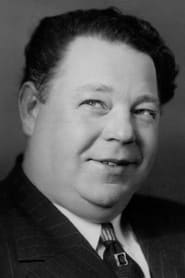
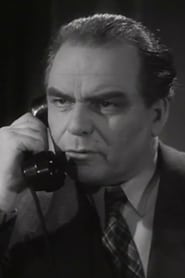
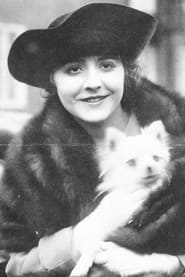
- The casting of Nils Ekstam, Edvard Persson, and Ellen Dall places the film within the sphere of Scandinavian stage-and-screen performers active in the 1920s.
- The film reflects the period’s frequent fascination with rural estates, inherited authority, and the contrast between social rank and personal affection.
What Critics Said
Contemporary critical reception is not well documented in widely accessible modern sources, and detailed period reviews have not been consistently preserved in English-language references. In general, films of this sort were judged by their effectiveness as entertainment, their performers’ charisma, and their ability to deliver recognizable social comedy rather than by the formal criteria used for later auteur criticism. Retrospective evaluation tends to place the film as a minor but telling example of Swedish silent popular cinema, of interest particularly because of Edvard Persson’s involvement and the way it reflects his early screen identity. Modern critics and historians are more likely to assess it for historical and cultural value than for status as a canonical masterpiece. Its reputation today is therefore primarily archival and scholarly rather than broadly popular.
What Audiences Thought
No precise audience attendance figures or widely cited box-office records are readily available for this film. Given Edvard Persson’s later popularity and the film’s accessible comic-romantic premise, it was likely intended to appeal to mainstream Swedish audiences, especially viewers familiar with rural and class-based humor. Silent films in this period depended heavily on local star appeal and live exhibition context, so audience enjoyment would have been tied to Persson’s performance style and the familiar social setting. Modern audiences encountering it are likely to do so mainly through retrospective interest in silent Swedish cinema rather than mass-distribution revival. Its appeal today is strongest for viewers interested in national film history, early comic performance, and aristocratic-versus-tenant melodrama.
Film Connections
Influenced By
- Nordic stage comedy and rural farce traditions
- Swedish literary and theatrical stories about class difference and manor-house society
- Silent-era romantic comedies centered on social barriers and youthful love
This Film Influenced
- Later Swedish rural comedies and romance films featuring class-conscious humor
- Subsequent Edvard Persson vehicles that leaned on regional identity and popular comic appeal
You Might Also Like
More Comedy Films
View allFilm Restoration
The film is not widely documented as lost in the major English-language references available, but accessible preservation details are limited and no commonly cited restoration information is readily available. Its survival status should therefore be treated as uncertain from the standpoint of general public documentation, though it remains cataloged in film databases and archives. If prints survive, they appear to be obscure rather than widely circulated in modern repertory distribution. No major restoration campaign is commonly associated with the title.