
A Lucky Strike
"Mail-order bride switch"
Keys: Space play/pause · ←/→ 10s · F fullscreen · M mute · </> speed
About this film
Western miner Bill advertises for a bride back East; two women reply as a joke and send their cook to meet him in this 1915 comedy. Matrimonial correspondence plots were a staple of silent one-reel farce.
Cast & crew
More films like this
More Comedy films
View all →







More from Arthur Hotaling
View all →
More about this film
About the production
Release dateMarch 1915
Box officeUnknown - box office records from 1915 are incomplete
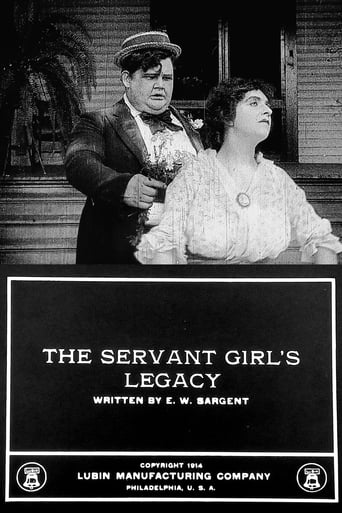
ProductionLubin Manufacturing Company
Filmed inLubin Studios, Betzwood, Pennsylvania
This was one of many short comedies produced by the Lubin Manufacturing Company during their peak years. The film was shot quickly on a modest budget, typical of the one-reel comedies of the period. The production utilized Lubin's studio facilities and backlot sets to create both Western and Eastern settings efficiently.
Themes
Mistaken identityCourtship and marriageDeception and truthEast vs. West cultural differencesWealth and social status
Themes & topics
minernewspaper advertisementmail-order bridemistaken identitypractical jokecookdisguisecourtshipcomedy of errorsWestern settingEastern societyromantic misunderstanding
Historical background
A Lucky Strike reflects homestead-era loneliness narratives and the humor of mistaken identity in pre-feature American comedy.
Why this film matters
While 'A Lucky Strike' was a typical short comedy of its era, it holds historical significance as an early example of Oliver Hardy's work before his partnership with Stan Laurel. The film represents the type of entertainment that filled nickelodeon theaters across America in the 1910s, providing audiences with brief escapist comedies during a period of social and industrial change. The mistaken identity premise reflects early 20th-century attitudes toward courtship and marriage, particularly the tension between traditional arranged marriages and emerging notions of romantic choice. The film also exemplifies the rapid production methods of early American studios, which established patterns of commercial filmmaking that would influence Hollywood for decades. As a product of the Lubin Manufacturing Company, it represents one of the studios that helped establish the American film industry.
Making of
The production of 'A Lucky Strike' was typical of the factory-like approach to filmmaking at Lubin Studios in the mid-1910s. The studio, founded by Siegmund Lubin, was known for churning out numerous short comedies each month to meet the insatiable demand of nickelodeon theaters. Arthur Hotaling, who directed, was one of Lubin's reliable directors who could quickly turn out entertaining shorts. The casting of Oliver Hardy shows the studio's eye for talent, though Hardy wouldn't achieve true stardom until his partnership with Stan Laurel began in the 1920s. The film was likely shot in just a few days on the studio's backlot, with simple sets representing both Western mining country and Eastern domestic settings. The comedy relied heavily on physical gags and exaggerated expressions, as was standard for silent comedies of this period.
What critics said
A minor short remembered in catalogues of Western matrimonial gags rather than for distinguished craft.
Did you know?
- features Oliver Hardy before he became famous as part of the Laurel and Hardy comedy duo, showing his early solo work in silent comedy
- The Lubin Manufacturing Company was one of the earliest film studios in America but would go bankrupt just two years after 's release
- Mae Hotely was a prolific actress in silent comedies, often playing supporting roles in Lubin productions
- The film's title 'A Lucky Strike' was likely a play on both the mining theme and the popular cigarette brand of the era
- Director Arthur Hotaling was married to actress Mae Hotely, who appears in
- 1915 was a transitional year in cinema, with feature films beginning to replace shorts as the dominant format
- The film was released during World War I, before the United States entered the conflict
- Lubin Studios was known for producing comedies at a rapid pace, often releasing multiple films per week
- This type of mistaken identity comedy was a popular trope in early silent films
- The film likely featured minimal intertitles, relying on visual comedy typical of the era
Visual style
The cinematography of 'A Lucky Strike' would have been typical of 1915 studio productions, utilizing stationary cameras with basic movement techniques. The film likely employed simple lighting setups, primarily using natural light from studio skylights supplemented by artificial lighting when needed. Visual composition would have followed the theatrical tradition of framing actors centrally, with medium shots dominating the narrative sequences and wider shots establishing settings. The cinematographer would have focused on capturing the physical comedy clearly, ensuring that gags and facial expressions were visible to audiences. The black and white film stock of the era would have provided high contrast images, with limited tonal range compared to later developments in cinematographic technology.
Innovations
While 'A Lucky Strike' was not a technically innovative film, it represents the standard technical capabilities of American studios in 1915. The film was likely shot on 35mm film at approximately 16 frames per second, the standard speed of the era. The production would have utilized the latest camera equipment available to Lubin Studios, possibly including hand-cranked cameras that allowed for slight variations in filming speed to enhance comedic timing. The studio's lighting setup would have employed both natural and artificial sources, representing the state of the art in indoor film production. The film's editing would have used simple cuts between shots, with the narrative continuity that had become standard by the mid-1910s. While not, the technical execution would have been professional and consistent with industry standards of the period.
Music
As a silent film, 'A Lucky Strike' would have been accompanied by live musical performance during theatrical exhibition. The specific musical score would have varied by theater, ranging from a solo pianist in smaller nickelodeons to small ensembles or even full orchestras in larger venues. The music would have been selected from standard compilations of mood music published for silent film accompanists, with upbeat, playful pieces chosen for comedic scenes and more romantic melodies for the courtship sequences. Some theaters might have used popular songs of the era, particularly if any matched the film's themes of romance or Western adventure. The soundtrack would have been improvised to match the on-screen action, with musicians following cue sheets or relying on their experience to enhance the visual comedy.
Famous quotes
No dialogue available - silent film with intertitles (specific quotes not documented)
Memorable scenes
- The scene where Bill first reads the prank letter and becomes excited about finding a potential wife
- The panicked reaction of Nellie and Eleanor when they learn Bill is coming to visit
- The comic reveal of the cook disguised as the letter writer
- Bill's confused attempts to court the disguised cook while the real women watch in amusement
What audiences thought
Audience reception for 1915 short comedies was generally positive when the films delivered effective laughs and entertainment. 'A Lucky Strike' would have been enjoyed by nickelodeon patrons looking for brief amusement between longer features. The mistaken identity premise was a familiar and popular comedic device that audiences of the era readily understood and appreciated. Oliver Hardy's physical comedy, even in these early roles, likely resonated with viewers who enjoyed the slapstick style prevalent in silent comedies. The film's brief running time made it suitable for varied programming, and its lighthearted content provided welcome distraction from the serious news of World War I affecting many communities.
Film connections
Influenced by
- Earlier comedy shorts by Mack Sennett
- French comedies by Max Linder
- Stage farce traditions
- Vaudeville comedy routines
- Earlier mistaken identity films
This film influenced
- Later Oliver Hardy solo comedies
- Early Laurel and Hardy shorts with similar themes
- Other Lubin comedy productions
- Mistaken identity comedies of the late 1910s
Film restoration
Likely lost film - most Lubin Manufacturing Company films from this period are considered lost, as the studio's assets were dispersed after their 1917 bankruptcy and their nitrate films were not preserved
Where to watch
- No known surviving copies - film is considered lost and not available for viewing