Films
2 films
About Frances Ne Moyer
American actress who had a brief but notable career during the silent film era, appearing in productions in 1914 and 1915. She worked cinema history when the industry was transitioning from short subjects to feature-length films. Her known filmography includes appearances in 'The Servant Girl's Legacy' (1914) and 'A Lucky Strike' (1915), both characteristic of the short dramatic films popular during this era. Like many actors of her generation, Moyer's career was likely impacted by the rapid changes in the film industry and the transition to more complex narrative structures. Her work represents the contributions of countless early film performers who helped establish the foundation of American cinema, even if their names have faded from popular memory. The brevity of her documented career suggests she may have been among the many actors who briefly participated in the burgeoning film industry before pursuing other interests or opportunities.
The Craft
Milestones
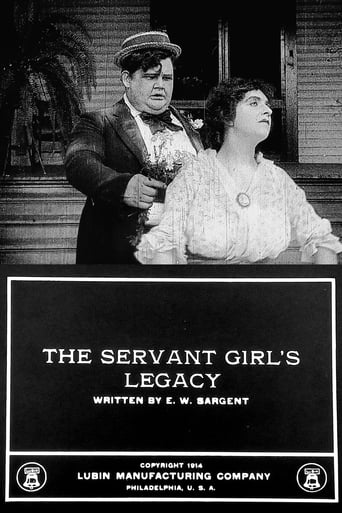
- Appeared in 'The Servant Girl's Legacy' (1914)
- Starred in 'A Lucky Strike' (1915)
- Active during the formative years of American silent cinema
Best Known For
Must-See Films
Why They Matter
Impact on Culture
Frances Ne Moyer represents the countless anonymous performers who contributed to the development of early American cinema during its formative years. Her work in 1914-1915 places her among the pioneers of silent film, an era that established the fundamental techniques of cinematic storytelling. Though her career was brief, she was part of the generation that helped transform motion pictures from novelty attractions into a legitimate art form and industry. The preservation of her films, however obscure, provides modern audiences with valuable insights into the evolution of film acting and production during this crucial period.
Lasting Legacy
Frances Ne Moyer's legacy lies in her contribution to the early silent film era, a period that laid the groundwork for modern cinema. While she may not be remembered alongside the great stars of Hollywood's Golden Age, her participation in films during 1914-1915 represents the collective effort of countless performers who helped establish the film industry. Her surviving works serve as historical artifacts that document the early development of American cinema and the artistic styles that would later evolve and mature throughout the 20th century.
Who They Inspired
Due to the brief nature of her documented career and the scarcity of information about her work, specific influences on other performers cannot be determined. However, like all actors of her era, she contributed to the development of screen acting techniques that would influence subsequent generations of film performers.
Off Screen
Very little is known about Frances Ne Moyer's personal life, as was common for many actors of the silent era who had brief careers and limited public documentation.
Did You Know?
- Frances Ne Moyer's entire known filmography spans only two years (1914-1915)
- Both of her known films were produced during the early silent era before Hollywood became the dominant center of American film production
- Her career coincided with the period when American cinema was transitioning from short one-reel films to longer feature productions
- Like many early film actors, she likely came from a theatrical background, as stage experience was common for silent film performers
- The scarcity of information about her reflects the limited documentation and record-keeping for early film industry personnel
- Her films were produced before the establishment of the studio system that would later dominate Hollywood
- She represents the many anonymous performers who contributed to cinema's development but whose names have been lost to history
Frequently Asked Questions
Who was Frances Ne Moyer?
American actress who worked briefly in the silent film industry during 1914-1915. She appeared in at least two films, 'The Servant Girl's Legacy' and 'A Lucky Strike,' representing one of the many early performers who helped establish American cinema.
What films is Frances Ne Moyer best known for?
Titles linked here include The Servant Girl's Legacy (1914), A Lucky Strike (1915).
When was Frances Ne Moyer born and when did she die?
Unfortunately, specific birth and death dates for Frances Ne Moyer are not available in historical records, which is common for many actors who had brief careers in the early film industry.
What awards did Frances Ne Moyer win?
There are no documented awards or nominations for Frances Ne Moyer. During her active years (1914-1915), the modern award system for films had not yet been established, with the first Academy Awards not being presented until 1929.
What was Frances Ne Moyer's acting style?
Specific details about her acting style are not documented. However, as a performer in the early silent era, she likely employed the exaggerated gestures and expressive techniques common to screen acting before the advent of sound, which required performers to convey emotion through physical movement and facial expression.
Why is so little known about Frances Ne Moyer?
The scarcity of information about Frances Ne Moyer is typical of many early film actors who had brief careers before the film industry established comprehensive record-keeping. Many performers from this era worked anonymously or under various names, and industry documentation was limited compared to later periods.