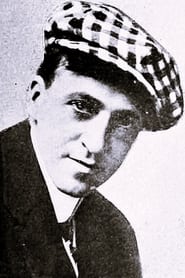
Arthur Hotaling
Director
Born: February 3, 1873 in New York City, New York, USA Died: July 13, 1938 Active: 1914-1915
Films
3 films
About Arthur Hotaling
American film director active during the silent era, primarily working with the Lubin Manufacturing Company in the early 1910s. He directed numerous short comedies and dramas during his brief but productive career from 1914 to 1915. Hotaling is particularly remembered for discovering Oliver Hardy and giving him his first roles in films like 'Outwitting Dad' (1914). His directing style was typical of the period, focusing on physical comedy and straightforward narrative techniques suitable for short films. Despite his short active period, Hotaling contributed significantly to the development of early American comedy cinema. His work helped launch the career of one of comedy's most figures, Oliver Hardy. Hotaling's career in film direction was relatively brief, and he transitioned to other pursuits after 1915.
The Craft
Behind the Camera
Typical of early silent era filmmaking with straightforward narrative techniques, emphasis on physical comedy and visual gags, adapted to the short film format popular during the period. His style was efficient and serviceable, focusing on clear storytelling that worked well without dialogue.
Milestones
- Discovering and casting Oliver Hardy in his first film roles
- Directing numerous short comedies for Lubin Studios
- Contributing to early American silent film comedy development
- Working at Lubin's Jacksonville, Florida studio during its peak years
Best Known For
Must-See Films
Working Relationships
Worked Often With
Studios
Why They Matter
Impact on Culture
Arthur Hotaling's cultural impact, while not widely recognized, lies primarily in his role as a talent scout and director during the foundational years of American cinema. His discovery of Oliver Hardy represents his most significant contribution to film history, as Hardy would go on to become one half of the legendary comedy duo Laurel and Hardy. Hotaling's work with Lubin Studios helped establish Jacksonville, Florida as an early filmmaking center before the industry consolidated in Hollywood. His films, though mostly lost to time, were part of the emerging language of American silent comedy that would influence generations of filmmakers.
Lasting Legacy
Arthur Hotaling's legacy is primarily preserved through his role in launching Oliver Hardy's career. While his own films have largely been lost to history, his contribution to early American comedy cinema remains significant. He represents the many directors and talent scouts who worked during cinema's formative years, whose individual contributions may be forgotten but whose collective work helped establish the American film industry. His brief but productive career exemplifies the entrepreneurial spirit of early filmmakers who helped shape the medium's future.
Who They Inspired
Hotaling's influence is most directly seen in the career of Oliver Hardy, whom he discovered and mentored during Hardy's formative years in film. By giving Hardy his first opportunities in front of the camera, Hotaling indirectly influenced the development of screen comedy through Hardy's later work. His directing style, while typical of the period, was part of the evolving visual language of silent film comedy that would influence subsequent generations of comedy directors.
Off Screen
Limited information is available about Arthur Hotaling's personal life beyond his professional career. He was born in New York City and worked primarily in the film industry during the early 1910s before apparently leaving the business after 1915.
Education
No specific educational information is available for Arthur Hotaling.
Did You Know?
- He discovered Oliver Hardy and gave him his first film roles in 1914
- Worked primarily for the Lubin Manufacturing Company, one of the early film studios
- His directing active years covered only two years but was highly productive
- Most of his films were short comedies, typical of the era's format
- He worked at Lubin's Jacksonville, Florida studio, which was a major early filmmaking center
- Many of his films are now lost, as was common with early silent films
- He was part of the American film industry during its transition from novelty to serious art form
- His films were made during the peak years of Jacksonville's brief reign as a filmmaking hub
Frequently Asked Questions
Who was Arthur Hotaling?
American on YTB.my.
What films is Arthur Hotaling best known for?
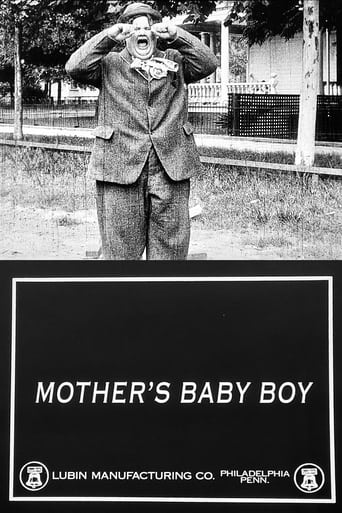
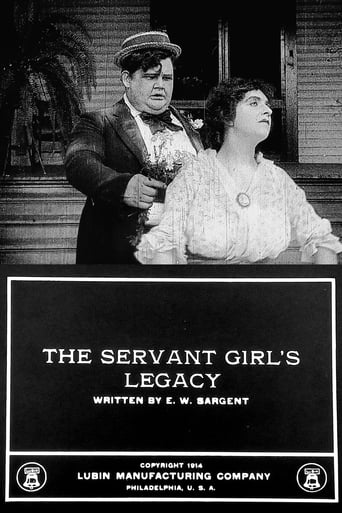
Titles linked here include Mother's Baby Boy (1914), The Servant Girl's Legacy (1914).
When was Arthur Hotaling born and when did he die?
Born February 3, 1873; died July 13, 1938.
What was Arthur Hotaling's most significant contribution to cinema?
His most significant contribution was discovering and giving Oliver Hardy his first film roles, helping launch the career of the future comedy legend.
What was Arthur Hotaling's directing style?
His directing style was typical of the early silent era, featuring straightforward narratives, physical comedy, and visual gags adapted to short film formats.
Which studio did Arthur Hotaling work for?
He worked primarily for the Lubin Manufacturing Company, one of the early American film studios that had operations in Jacksonville, Florida.
Why was Arthur Hotaling's career so short?
While the exact reasons are unclear, his brief directing career from 1914-1915 was not unusual for the early film industry, when many filmmakers moved between different careers as the industry was still developing.