


Coming!! Snafu
"Army lessons through bungling"
Keys: Space play/pause · ←/→ 10s · F fullscreen · M mute · </> speed
About this film
Introducing Private Snafu, the nation's worst soldier and his various versions in different branches of the armed forces. The cartoon, ironic and humorous in tone, was created during World War II and it was designed to instruct service personnel about security, proper sanitation.
Cast & crew
More Animation films
View all →

More from Chuck Jones
View all →
More about this film
About the production
Release date1943
Box officeNot commercially released (produced for military training)
ProductionWarner Bros. Cartoons, U.S. Army Signal Corps
Filmed inWarner Bros. Studios, Burbank, California
This was part of the Private Snafu series, a collection of 26 animated shorts produced specifically for U.S. military personnel during WWII. The cartoons were classified during the war and not shown to the general public. They were designed to be more risqué and direct than typical cartoons of the era, as they were intended only for adult military audiences. The production involved collaboration between Warner Bros.' top animation talent and military educational specialists.
Themes
Military education and trainingOperational security (OPSEC)Military discipline and protocolSatire and irony as educational toolsThe consequences of incompetence
Themes & topics
World War IIMilitary trainingEducational filmPropagandaAnimationComedySatirePrivate SnafuChuck JonesWarner Bros.Mel BlancU.S. ArmyMilitary humorNegative exampleSecurity awareness
Historical background
Coming!! Snafu reached screens around 1943, produced in its country of origin. Postwar distribution and sound standards shaped how it was marketed. Wartime or military themes reflected anxieties visible in contemporary programming.
Why this film matters
Researchers cite Coming!! Snafu when tracing screen culture of its decade.
Making of
The Private Snafu series was created through a unique collaboration between the U.S. War Department and Warner Bros. Animation. The project began when the War Department approached Warner Bros. about creating training films that would be more engaging than standard military instruction. Chuck Jones, along with other Warner directors like Friz Freleng and Bob Clampett, worked with military advisors and writers including Dr. Seuss to create cartoons that would hold soldiers' attention while delivering important educational messages. The animation team was given unusual creative freedom, allowing for more mature content, mild profanity, and sexual innuendo that would never have been permitted in commercial cartoons. The production schedule was intense, with the team producing approximately one cartoon per month. Mel Blanc's voice work was particularly crucial, as he had to create a character that was simultaneously funny, pathetic, and relatable to military audiences. The cartoons were produced in secrecy, with restricted access to the Warner Bros. studio lot during production.
What critics said
Reviewers in 1943 weighed Coming!! Snafu on clarity, pacing, and audience response rather than prestige status. No single canonical review dominates later reference works for the title.
Did you know?
- The name 'Snafu' comes from the military acronym 'Situation Normal: All Fucked Up,' though it was often cleaned up to 'All Fouled Up' in official contexts
- The Private Snafu series was written in part by Theodor 'Dr. Seuss' Geisel, who contributed to several scripts
- These cartoons were classified during WWII and not available to the public until after the war ended
- The character was designed to be deliberately incompetent to serve as a negative example for soldiers
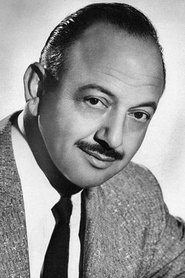
- Mel Blanc provided the voice for Private Snafu, using his characteristic vocal talents
- The series was one of the few instances where Warner Bros. was allowed to use more adult humor and language than in their commercial cartoons
- Frank Graham, who also worked on the series, was a prolific voice actor who died tragically young at age 35
- The U.S. government paid Warner Bros. $25,000 per cartoon in the series
- The cartoons were shown to troops as part of their regular training and orientation programs
- Some Private Snafu cartoons were considered too controversial and were never released or were heavily censored
Visual style
The animation in Coming!! Snafu represents the classic Warner Bros. style of the early 1940s, characterized by fluid movement, exaggerated expressions, and dynamic action sequences. Chuck Jones' direction brings his signature timing and visual gags to the educational format. The cartoon uses bold, saturated colors and sharp, clean lines typical of the era's Warner productions. The visual storytelling relies heavily on contrast between the 'correct' way to do things and Snafu's comically incorrect approach. The animation team employed sophisticated techniques including squash and stretch, smear frames for fast motion, and detailed character expressions that conveyed both humor and educational points. The visual style was deliberately more adult-oriented than typical cartoons, with some subtle visual gags and references that would appeal to the military audience.
Innovations
The Private Snafu series represented several technical and creative achievements for its time. The cartoons were produced using the traditional cel animation process, but with higher quality and more sophisticated techniques than typical commercial shorts due to the government funding. Warner Bros. employed their top animators and directors on the series, resulting in some of the studio's finest technical work. The series pushed boundaries in terms of content and humor, demonstrating what could be achieved when freed from the constraints of the Hays Code and commercial censorship. The integration of educational content with entertainment was innovative, using comedy and negative examples to teach military personnel. The production process itself was technically impressive, with the studio maintaining a rapid production schedule while maintaining high quality standards. The series also represented an early example of using animation for adult education and training, paving the way for later educational and corporate animation.
Music
The musical score for Coming!! Snafu was composed by Carl Stalling, Warner Bros.' music director who was responsible for the iconic sound of Looney Tunes and Merrie Melodies. Stalling's approach combined original compositions with adapted popular songs and classical music pieces, creating a dynamic soundtrack that enhanced both the humor and educational content. The music used orchestral arrangements typical of the era, with prominent use of brass and percussion to accentuate the military theme. Sound effects were created by Treg Brown, Warner Bros.' innovative sound effects pioneer, who developed many of the cartoon's distinctive audio elements. Mel Blanc's voice performance as Private Snafu utilized his full range of vocal talents, creating a character that was simultaneously whiny, clueless, and comically inept. The audio mix was designed to be clear and impactful when shown in military theaters and training facilities.
Famous quotes
Private Snafu: 'I'm the nation's worst soldier, but I'm learning!'
Narrator: 'This is Private Snafu. He's the soldier who does everything wrong, so you won't have to.'
Private Snafu: 'Loose lips sink ships... but nobody told me about loose thoughts!'
Narrator: 'Remember what Snafu did wrong, and you'll do it right.'
Private Snafu: 'Security? That's for people who have something to hide!'
Memorable scenes
- The opening sequence introducing Private Snafu as 'the nation's worst soldier' with exaggerated examples of his incompetence
- The scene where Snafu carelessly reveals military secrets to imagined enemies, demonstrating security violations
- The montage showing the various versions of Snafu in different military branches, each failing in their own unique way
- The climactic scene where Snafu faces the consequences of his mistakes, reinforcing the educational message
- The ironic moments where Snafu's attempts to be helpful result in disaster, highlighting the importance of following procedures
What audiences thought
Among military audiences during WWII, the Private Snafu cartoons were tremendously popular. Soldiers looked forward to seeing the latest Snafu adventure, and the cartoons became a highlight of military training and entertainment programs. The character's incompetence and the cartoons' risqué humor resonated with young soldiers who were often bored with standard military instruction. The relatable nature of Snafu's mistakes made the educational messages more memorable and effective. After the war, when the cartoons were finally made available to the public, they developed a cult following among animation enthusiasts and historians. Modern audiences appreciate the cartoons for their historical value, their place in animation history, and their surprisingly sophisticated humor. The Private Snafu series continues to be discovered by new generations through film festivals, animation retrospectives, and online archives.
Film connections
Influenced by
- Looney Tunes and Merrie Melodies series
- Military training films of the era
- Propaganda cartoons from Disney and other studios
- The comedy styles of the Three Stooges and Abbott & Costello
- Military slang and culture of the 1940s
This film influenced
- Later military training films and animations
- Educational cartoons of the 1950s and 1960s
- Adult-oriented animation series
- Modern military training videos that use humor
- The character design influenced later incompetent cartoon characters
Film restoration
The Private Snafu series, including Coming!! Snafu, has been relatively well-preserved considering its age and original purpose. Many of the cartoons survived in the U.S. National Archives and the Warner Bros. film library. The films have been restored and digitized by various organizations including the Library of Congress and animation preservation societies. Some prints show signs of age and wear, but the majority are in watchable condition. The series has been released on home video through Warner Bros. archival collections and is available through various educational and historical archives. The preservation status is considered good for films of this era and purpose, with multiple copies existing in different archives.
Where to watch
- Warner Bros. Home Video archival collections
- U.S. National Archives online database
- Library of Congress digital collections
- YouTube (through official Warner Bros. and archive channels)
- Animation streaming services specializing in classic cartoons
- Educational film databases and military history websites
- Film festival screenings of WWII animation
- Museum exhibitions on wartime propaganda and animation