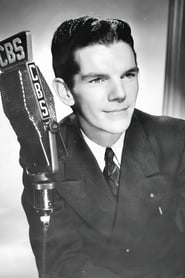
Frank Graham
Actor
Born: November 22, 1914 in Detroit, Michigan, USA Died: October 2, 1950 Active: 1942-1950
Films
8 films

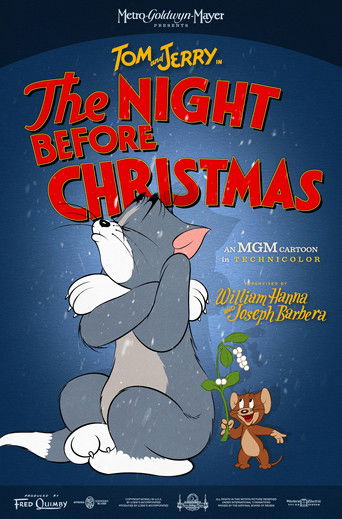

About Frank Graham
prolific voice actor during the Golden Age of Hollywood animation — known for his versatile vocal talents that brought numerous cartoon characters to life between 1942 and 1950. Born in Detroit, Michigan, Graham began his career in radio before transitioning to voice work in animation studios, where his remarkable ability to create distinct character voices quickly made him indispensable. He became a regular voice actor for Warner Bros. Cartoons, contributing to many Looney Tunes and Merrie Melodies shorts, while also working extensively with MGM on their Tom and Jerry series and other animated productions. Graham's career, though tragically brief, was remarkably productive, with him voicing hundreds of characters across various studios and creating memorable performances that included everything from smooth-talking wolves to excitable narrators. His work on the Private Snafu series during WWII demonstrated his ability to handle both comedy and educational content with equal skill. Despite his professional success, Graham struggled with personal demons that ultimately led to his suicide at age 35 in 1950, leaving behind a legacy of memorable cartoon performances that continue to entertain and influence voice actors today.
The Craft
On Screen
Frank Graham possessed an exceptionally versatile voice acting style characterized by his ability to create multiple distinct character voices with remarkable range and clarity. His technique involved precise vocal control, allowing him to shift seamlessly from smooth, sophisticated tones to high-pitched excitable deliveries within the same performance. Graham's voice work was marked by impeccable timing and comedic instincts, understanding exactly how to deliver lines for maximum comedic impact in the fast-paced world of animated shorts. He had a particular talent for creating memorable character voices that were instantly recognizable yet varied enough to avoid typecasting, making him invaluable to animation directors who needed someone who could voice multiple characters in a single cartoon. His radio background gave him excellent diction and projection skills, ensuring his voice recordings were always clear and professional, even when portraying exaggerated cartoon characters.
Milestones
- Became primary voice actor for Warner Bros. Looney Tunes and Merrie Melodies
- Voiced characters in MGM's Tom and Jerry series
- Provided voices for over 100 animated shorts in less than a decade
- Worked on Private Snafu series during WWII
- Created distinctive voices for multiple recurring characters
- Narrated numerous Tex Avery cartoons
- Voiced the Wolf character in several Merrie Melodies shorts
Best Known For
Iconic Roles
Must-See Films
Accolades
Special Recognition
- Recognized as one of the voice actors of Golden Age animation
- His work preserved in Warner Bros. And MGM animation archives
Working Relationships
Worked Often With
Studios
Why They Matter
Impact on Culture
Frank Graham's voice work significantly shaped the sound of Golden Age animation, contributing to the distinctive audio landscape that defined cartoons of the 1940s. His versatile performances helped establish the archetype of the smooth, sophisticated cartoon character that would influence voice acting for decades to come. The characters he voiced, particularly the Wolf in Tex Avery's cartoons, became cultural touchstones that represented a particular style of adult-oriented humor in animation. Graham's work on the Private Snafu series contributed to the war effort by making military training more engaging and memorable for soldiers. His ability to voice multiple distinct characters in a single production helped demonstrate the artistic possibilities of voice acting, elevating it from mere narration to a legitimate performance art form. The preservation of his work in classic cartoons continues to introduce new generations to his talent, maintaining his influence on voice acting long after his death.
Lasting Legacy
Frank Graham's legacy endures through the hundreds of classic cartoon performances he created during his brief but prolific career. His voice remains instantly recognizable to animation enthusiasts and scholars who study the Golden Age of Hollywood animation. The techniques he pioneered in creating multiple distinct character voices influenced subsequent generations of voice actors, including many who would become famous in later decades. Graham's work serves as a masterclass in voice acting versatility, with animation schools often using his performances as examples of exceptional vocal characterization. Despite his short career span of less than a decade, he produced a body of work that many actors with much longer careers never achieve. His tragic early death at age 35 has made him something of a legendary figure in animation history, with many wondering what additional contributions he might have made had he lived longer. The continued popularity of the cartoons he worked on ensures that his voice performances remain part of American cultural memory, introducing new audiences to his talent with each generation that discovers these classic animations.
Who They Inspired
Frank Graham influenced the field of voice acting by demonstrating the artistic potential of creating multiple distinct character voices, paving the way for future voice actors like Mel Blanc and Daws Butler. His work showed that voice actors could be as versatile and essential to animated productions as on-screen actors were to live-action films. The smooth, sophisticated character type he perfected became a template that many subsequent voice actors would emulate and adapt. His ability to shift between different vocal styles and emotions within a single performance set a standard for voice acting excellence that continues to influence the industry today. Animation directors who worked with Graham often applied the lessons learned from his versatility when casting and directing other voice actors. The success of his performances helped establish voice acting as a respected and specialized craft within the animation industry, rather than just incidental narration. His work continues to be studied by voice actors and animators who seek to understand the principles of creating compelling animated characters through vocal performance alone.
Off Screen
Frank Graham's personal life was marked by both professional success and personal struggles. While he achieved remarkable recognition in the animation industry during his brief career, he battled with depression and other personal challenges that ultimately led to his tragic early death. Details about his family life and relationships remain relatively private, as was common for many character actors of his era who preferred to let their work speak for itself. His colleagues in the animation industry remembered him as both incredibly talented and deeply troubled, with many noting his dedication to his craft despite his personal difficulties.
Education
Family
- Information not publicly available
Did You Know?
- Voiced over 100 different characters in less than 8 years of work
- Could create up to 5-6 distinct character voices in a single cartoon
- Worked on the Private Snafu series, which was created specifically for WWII military training
- His voice was often used for characters that needed to sound sophisticated or smooth-talking
- Died by suicide at age 35, cutting short a remarkably promising career
- Never appeared on-screen in any live-action roles, focusing exclusively on voice work
- His radio background gave him exceptional diction and vocal control
- Often worked uncredited, as was common for voice actors of his era
- The Wolf character he voiced was considered one of animation's first true 'cool' characters
- His performances in Tex Avery cartoons are considered among the finest voice work of the 1940s
- Could complete voice recordings for multiple cartoons in a single day due to his efficiency and skill
In Their Own Words
(As the Wolf) 'Hellooo, nurse!' - his signature catchphrase in various Merrie Melodies shorts
(As narrator) 'And so, our story begins.' - typical opening line for his narration work
(Various characters) 'Well, I'll be.' - common expression he delivered with different vocal styles
(As the Wolf) 'You know, there's something about a redhead.' - typical smooth delivery
No extensive quotes exist as he primarily voiced cartoon characters rather than delivering original dialogue
Frequently Asked Questions
Who was Frank Graham?
Prolific voice with credits in this catalog. And MGM cartoons. He voiced hundreds of characters in less than a decade, creating memorable performances in classic animated shorts before his tragic death at age 35.
What films is Frank Graham best known for?
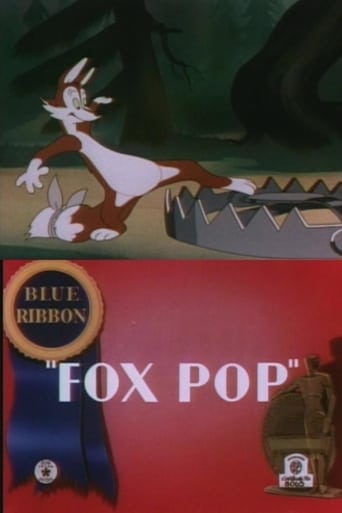
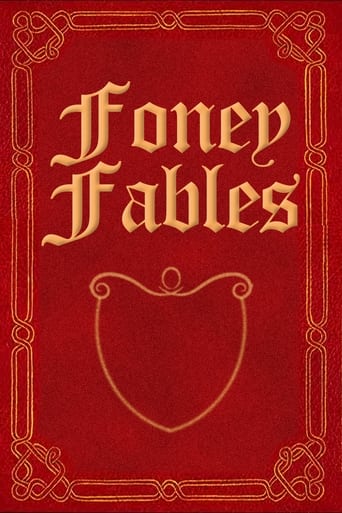
Titles linked here include Fox Pop (1942), Foney Fables (1942).
When was Frank Graham born and when did he die?
Born November 22, 1914; died October 2, 1950.
What awards did Frank Graham win?
Frank Graham did not receive major formal awards during his lifetime, as voice actors were often overlooked by award ceremonies during his era. However, his work has been posthumously recognized as in the field of voice acting, and his performances are preserved in the animation archives of major studios.
What was Frank Graham's acting style?
Frank Graham's voice acting style was characterized by exceptional versatility, allowing him to create multiple distinct character voices with remarkable range and clarity. His technique involved precise vocal control, impeccable comedic timing, and the ability to shift between smooth, sophisticated tones and high-pitched excitable deliveries, making him invaluable to animation directors.
How did Frank Graham influence voice acting?
Frank Graham influenced voice acting by demonstrating the artistic potential of creating multiple distinct character voices, paving the way for future voice actors. His work helped establish voice acting as a respected craft within animation, showing that voice actors could be as essential to animated productions as on-screen actors were to live-action films.
What studios did Frank Graham work with?
Frank Graham worked primarily with Warner Bros. Cartoons and MGM Animation Studio, contributing to their Looney Tunes, Merrie Melodies, and Tom and Jerry series. He also worked with Walter Lantz Productions and UPA, making him.
Why is Frank Graham considered important in animation history?
Frank Graham is considered important in animation history for his work in voice acting during the Golden Age of Hollywood animation. His versatile performances helped define the sound of 1940s cartoons, and his techniques continue to influence voice actors today. Despite his brief career, he created a body of work that remains influential and is studied by animation professionals.