

Going Home
"Snafu's loose lips on home leave"
Keys: Space play/pause · ←/→ 10s · F fullscreen · M mute · </> speed
About this film
Pvt. Snafu's unit suffers the consequences of blabbing military secrets while on leave at home.
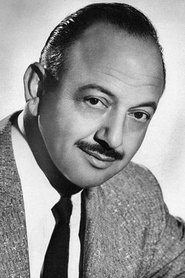
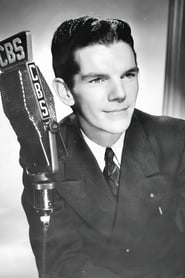
Cast & crew
More Animation films
View all →

More from Chuck Jones
View all →
More about this film
About the production
Release dateJune 1944
BudgetMinimal military production budget (exact figure unknown)
Box officeNot commercially released - produced for military training purposes
ProductionWarner Bros. Cartoons, U.S. Army Signal Corps
Filmed inWarner Bros. Studios, Burbank, California
Part of the Private Snafu series of 26 animated shorts produced between 1943-1945. These cartoons were created specifically for military personnel and were not shown to the general public during WWII. The animation was done by the same team that created Looney Tunes, but with more adult themes and content than typical cartoons of the era.
Themes
Military securityOperational secrecyThe dangers of careless talkMilitary training and educationWartime propaganda
Themes & topics
military trainingpropagandasecurity breachespionagehome leavecareless talkmilitary secretsWWIIeducational filmanimation
Historical background
Archival paperwork links Going Home to a 1944 release handled by Warner Bros. Cartoons.
Why this film matters
The plot's emphasis on pvt mirrors popular narrative habits of the 1944 period.
Making of
The Private Snafu series was a unique collaboration between the U.S. Army and Warner Bros. Animation studio. The Army approached Warner Bros. in 1943 to create entertaining training films that would hold soldiers' attention better than traditional instruction. Chuck Jones directed several episodes in the series, bringing his signature comedic timing and visual gags to military education. Mel Blanc provided the voice for Private Snafu, using a voice similar to his early Bugs Bunny characterization. The cartoons were written by Theodor Geisel (Dr. Seuss), who brought his distinctive rhyming style and absurd humor to the scripts. The animation team worked under military supervision but was given unusual creative freedom to include adult humor and situations that would never have passed the Hays Code in commercial films. Production was fast-paced, with each short typically completed in just a few weeks to meet the Army's needs.
What critics said
Film historians reference Going Home in surveys of 1944 output from its studio tier.
Did you know?
- The character name 'Snafu' comes from the military acronym 'SNAFU' (Situation Normal: All F***ed Up), which was common WWII slang
- This was one of the few cartoons where Warner Bros. allowed more risqué content and mild profanity since it was only for military audiences
- The Private Snafu series was conceptualized by Theodor Geisel (Dr. Seuss) and Phil Eastman
- Mel Blanc provided voices for multiple characters in the Snafu series, often using his famous voices like Bugs Bunny's for Snafu
- These cartoons were so effective that the Army requested more episodes than originally planned
- The Snafu cartoons were not copyrighted and fell into the public domain, which is why many are easily accessible today
- Frank Graham, who also voiced characters in this short, was a prolific voice actor who worked on many Warner Bros. cartoons
- The animation quality was higher than typical military training films due to Warner Bros.' involvement
- Some Snafu cartoons were considered too controversial for general audiences even after the war
- The series was intended to be humorous while delivering serious messages about military conduct and security
Visual style
The animation style in 'Going Home' follows Chuck Jones' distinctive approach with clean lines, expressive character animation, and dynamic movement. The cartoon uses the limited color palette typical of wartime animation but maximizes visual impact through strong composition and contrast. Jones employs his signature exaggerated takes and squash-and-stretch techniques to enhance the comedic timing. The visual gags are carefully choreographed to match the narration, with the animation often revealing the joke before the dialogue explains it. The character designs for Snafu and supporting characters follow the Warner Bros. house style but with more realistic proportions than typical Looney Tunes characters. The backgrounds are detailed enough to establish the home setting while remaining simple enough not to distract from the action.
Innovations
The Private Snafu series pioneered the use of animation for adult education and military training, demonstrating that cartoons could effectively communicate complex information to adult audiences. The production team developed techniques for conveying serious messages through humor without undermining the educational content. The series also experimented with more adult themes and situations than typical animation, pushing the boundaries of what was acceptable in the medium. The collaboration between the military and Hollywood studio created a new model for government-private sector partnerships in communication. The cartoons achieved their educational goals while maintaining the high animation standards that Warner Bros. was known for, proving that instructional content didn't have to sacrifice quality. The series also demonstrated the effectiveness of using familiar entertainment formats for military training, a technique that would be adopted in later conflicts.
Music
The musical score was composed by Carl Stalling, Warner Bros.' musical director who created the distinctive sound of Looney Tunes and Merrie Melodies. Stalling adapted popular wartime songs and military marches to underscore the action, using music to enhance both the humor and the instructional message. The sound effects, created by Treg Brown, use the same cartoon physics that made Warner Bros. famous, with exaggerated impacts and comical noises punctuating the visual gags. Mel Blanc's voice work as Private Snafu demonstrates his remarkable range, creating a character that's both funny and believable as a naive soldier. The audio mix was designed to be clear and understandable in military screening conditions, where equipment might be less than ideal. The narration, typical of the series, provides exposition and moral lessons in a straightforward, authoritative voice.
Famous quotes
Loose lips sink ships!
A little bird told me... and he was wearing a swastika!
When you're on leave, keep your mouth sealed!
The enemy has ears everywhere, even in your own home
What you tell your girl today might kill you tomorrow
Memorable scenes
- The scene where enemy spies are shown listening through various hidden devices, including a microphone disguised as a flower in a vase
- Snafu's boastful monologue to his family about his unit's 'secret' mission plans
- The reveal of how the enemy obtained all the military information through Snafu's careless talk
- The final ambush scene showing the consequences of Snafu's indiscretion
- The closing moral lesson delivered directly to the audience
What audiences thought
The intended military audience responded enthusiastically to the Private Snafu series, with soldiers often requesting repeat viewings of their favorite episodes. The humor resonated with service members who recognized the truth in Snafu's mistakes and blunders. Letters from soldiers stationed overseas frequently mentioned the Snafu cartoons as one of the highlights of their training and orientation. After the war, when some cartoons were released to the public, they developed a cult following among animation enthusiasts and historians. The series has maintained popularity among military veterans who remember seeing them during their service. Modern audiences discovering the cartoons through archives and screenings appreciate them both as historical artifacts and as genuinely entertaining animations that still hold up decades later.
Film connections
Influenced by
- Looney Tunes animation style
- Dr. Seuss's writing style
- Military training films of the era
- Wartime propaganda posters
- Previous Warner Bros. cartoons
This film influenced
- Later Private Snafu episodes
- Post-war military training animations
- Adult animation series
- Educational cartoons of the 1950s-60s
- Modern public service announcement animations
Film restoration
The film has been preserved through the National Archives and Records Administration as part of the U.S. Army Signal Corps collection. Several digital restorations have been completed, with versions available through the Library of Congress and various university archives. The cartoon entered the public domain due to its government production status, which has ironically helped ensure its survival through multiple copies and distributions.
Where to watch
- Internet Archive
- YouTube (public domain uploads)
- Library of Congress website
- National Archives website
- Various military history websites
- DVD collections of WWII propaganda films
- Warner Bros. archive collections