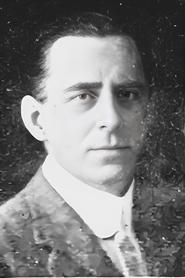

Fox Trot Finesse
"Dance craze, fake limp"
Keys: Space play/pause · ←/→ 10s · F fullscreen · M mute · </> speed
About this film
Ferdie's wife is fox-trot crazy, wanting to go dancing all the time. To get out of it, Ferdie fakes an ankle injury.
Cast & crew
More films like this
More Comedy films
View all →







More from Sidney Drew
View all →
More about this film
About the production
Release dateAugust 1915
ProductionVitagraph Company of America
Filmed inBrooklyn, New York
Fox Trot Finesse was produced during the height of the fox-trot dance craze that swept America in 1915. The film was part of the popular Mr. and Mrs. Sidney Drew series, which capitalized on the real-life married couple's on-screen chemistry. Sidney Drew was known for his sophisticated, upper-class comedy style that appealed to middle-class audiences of the era. The production was typical of Vitagraph's efficient studio system, completing the short film in just a few days.
Themes
Marital conflict and reconciliationDeception and honesty in relationshipsPopular culture and social fadsGender roles and domestic power dynamicsThe generation gap and changing social mores
Themes & topics
fake injuryfox-trot dancingmother-in-lawdeceptionmarriagedance crazecomedy of errorsdomestic comedy
Historical background
Fox Trot Finesse reached screens around 1915, produced in its country of origin. Silent-era houses paired such titles with live music and newsreel bills.
Why this film matters
Researchers cite Fox Trot Finesse when tracing screen culture of its decade.
Making of
The production of Fox Trot Finesse took advantage of the real-life marriage between Sidney Drew and Lucille McVey, whose natural chemistry translated well to the screen. The Drews had developed a signature style of domestic comedy that focused on the humorous conflicts between married couples, often with the husband trying to outsmart his wife only to be foiled in the end. The film was shot on Vitagraph's Brooklyn studio lot, where the company had built numerous standing sets for domestic interiors. The dance sequences required the cast to learn the popular fox-trot steps, which were still relatively new to the public. Sidney Drew, who was in his fifties during filming, had to convincingly portray both a reluctant dancer and someone faking an injury, requiring subtle physical comedy that was his specialty.
What critics said
Reviewers in 1915 weighed Fox Trot Finesse on clarity, pacing, and audience response rather than prestige status. No single canonical review dominates later reference works for the title.
Did you know?
- The fox-trot dance was invented in 1914 by vaudeville performer Harry Fox and became a national sensation by 1915, making this film extremely topical when released
- Sidney Drew and his wife Lucille McVey (billed as Mrs. Sidney Drew) were one of early cinema's most popular married comedy teams
- Sidney Drew was the uncle of the famous Barrymore acting family (Lionel, Ethel, and John)
- The film was part of a series of 'Mr. and Mrs. Sidney Drew' comedies produced by Vitagraph, with the couple playing married characters in various domestic situations
- Fox-trot dancing was considered somewhat scandalous by conservative audiences in 1915 due to its relatively close hold between partners
- Vitagraph was one of the major American film studios of the silent era, founded in 1897
- The film's title uses 'finesse' to suggest both dancing skill and clever deception, referring to both the wife's dancing and the husband's scheming
- Sidney Drew was known for his refined, gentlemanly comedy style that contrasted with the more slapstick comedy popular at the time
Visual style
The cinematography of Fox Trot Finesse was typical of Vitagraph's studio productions of the era. Shot on black and white film stock with standard aspect ratio, the film utilized static camera positions for most scenes, with the camera positioned at eye level to capture the actors' performances. The lighting was naturalistic, using the studio's available light sources to create a realistic domestic atmosphere. The dance sequences likely required slightly more mobile camera work or careful choreography to ensure the performers remained within frame. The film employed the standard continuity editing techniques of the period, with clear shot-reverse-shot patterns during dialogue exchanges. The visual style emphasized clarity and readability, ensuring that the physical comedy and facial expressions of the actors were clearly visible to the audience.
Innovations
Fox Trot Finesse does not appear to feature any significant technical innovations for its time. The film was produced using standard filmmaking techniques and equipment of 1915. The production followed Vitagraph's established workflow for short comedy films, utilizing their studio facilities and standard crew. The film's technical aspects were competent and professional but not groundbreaking, which was typical for studio comedy shorts of the period. The main technical challenge would have been coordinating the dance sequences within the constraints of early film equipment, requiring careful choreography to ensure the performers remained properly framed and lit throughout the shots.
Music
As a silent film, Fox Trot Finesse would have been accompanied by live musical performance during its theatrical run. The theater organist or small orchestra would likely have played popular fox-trot tunes of the era, possibly including Harry Fox's original compositions or other popular dance music from 1915. The score would have been synchronized with the on-screen action, with lively, upbeat music during the dancing scenes and more subtle, comedic themes during the domestic sequences. The music would have enhanced the film's humor and helped convey the emotional tone of each scene. Some theaters may have used specific cue sheets provided by Vitagraph, while others relied on the musicians' improvisation skills to create appropriate accompaniment.
Famous quotes
Ferdie: 'My dear, I fear my dancing days are over. This ankle... it's quite serious.'
Wife: 'But darling, everyone is fox-trotting! We simply must keep up with the times!'
Memorable scenes
- The opening scene where Ferdie dramatically 'injures' his ankle while attempting to avoid dancing, complete with elaborate theatrical groaning and limping that fools his wife initially.
What audiences thought
Fox Trot Finesse was well-received by audiences of 1915, particularly those who could relate to the fox-trot craze sweeping the nation. The film's domestic setting and relatable marital conflict resonated with middle-class moviegoers who were the primary audience for such productions. Contemporary theater reports indicated that the film generated good laughter and was particularly popular with female audiences, who enjoyed both the dancing content and the clever way the wife outsmarts her husband. The film's topical nature, capitalizing on a current fad, likely contributed to its initial success, as audiences enjoyed seeing their own cultural obsessions reflected on screen. The Drews had established a loyal following through their series of domestic comedies, and this film satisfied their fans' expectations while also appealing to new viewers interested in the fox-trot phenomenon.
Film connections
Influenced by
- Domestic stage comedies of the late 19th century
- Earlier Mr. and Mrs. Sidney Drew films
- Popular vaudeville routines about married life
- Contemporary newspaper comic strips about domestic situations
This film influenced
- Later Mr. and Mrs. Sidney Drew comedies
- Domestic comedy shorts of the late 1910s
- Early television sitcoms featuring married couples
Film restoration
Fox Trot Finesse is considered a lost film. Like many silent era shorts, particularly those from smaller studios like Vitagraph, the original nitrate film elements have deteriorated or been destroyed over time. No complete copies of the film are known to exist in major film archives such as the Library of Congress, the Museum of Modern Art, or the UCLA Film & Television Archive. Some film historians hold out hope that a complete print may exist in private collections or in archives outside the United States, but as of now, the film is presumed lost.
Where to watch
- Unfortunately, Fox Trot Finesse is not available for viewing as it is considered a lost film. No known copies exist in public or private archives. Film historians and preservationists continue to search for lost films from this era, and if a copy were to be discovered, it would likely be made available through film archive screenings or special collections.