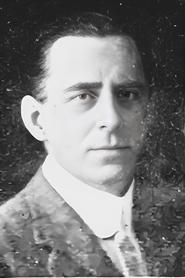
Sidney Drew
Actor & Director
Born: August 28, 1863 in New York City, New York, USA Died: April 9, 1919 Active: 1911-1919 Birth Name: Sidney Francis Drew
Films
4 films
About Sidney Drew
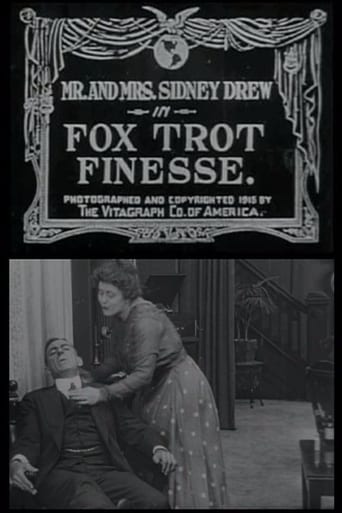
Sidney Francis Drew — American actor, director, and screenwriter who became a prominent figure in silent film comedy during the 1910s. Born into the prestigious Drew theatrical family, he began his career on the stage before transitioning to motion pictures, where he formed a highly successful comedy partnership with his wife Lucile McVey, who performed professionally as Mrs. Sidney Drew. The couple became popular comedy teams of their era, specializing in sophisticated domestic comedies that appealed to middle and upper-class audiences. Drew directed and starred in numerous short films for Vitagraph Studios and other production companies, creating a body of work that offered an alternative to the more physical slapstick comedy popularized by contemporaries like Charlie Chaplin. His career was tragically cut short when he died unexpectedly in 1919 at the age of 45, leaving behind a legacy of refined comedy that influenced later filmmakers. The Drews' films demonstrated that wit and subtlety could be as effective as physical humor in the silent medium, and their work remains significant for its contribution to early American comedy cinema.
The Craft
On Screen
Sidney Drew was known for his subtle, sophisticated comedic style that relied more on wit and timing than physical slapstick. His performances were characterized by a gentlemanly demeanor and dry wit, often playing the bemused husband in domestic comedy situations. Unlike many of his contemporaries in silent comedy, Drew's approach was more restrained and naturalistic, appealing to middle and upper-class audiences who appreciated his dignified screen presence.
Behind the Camera
As a director, Drew favored intimate domestic comedies that showcased the chemistry between himself and his wife. His films often featured clever dialogue (conveyed through intertitles), sophisticated humor, and realistic domestic settings. He had a knack for creating relatable situations that resonated with contemporary audiences, focusing on the humorous aspects of married life and social interactions.
Milestones
- Forming the popular comedy duo with his wife Lucile McVey
- Directing and starring in numerous comedy shorts for Vitagraph Studios
- Creating sophisticated domestic comedies that appealed to middle-class audiences
- Being part of the famous Drew theatrical family that included Ethel Barrymore
- Establishing a refined style of comedy as an alternative to slapstick
Best Known For
Iconic Roles
Must-See Films
Accolades
Special Recognition
- Recognition by film historians as an important pioneer of silent comedy
- Inclusion in the Drew-Barrymore acting dynasty legacy
Working Relationships
Worked Often With
Studios
Why They Matter
Impact on Culture
Sidney Drew contributed significantly to the development of domestic comedy in silent films, offering an alternative to the more physical slapstick comedy popularized by figures like Charlie Chaplin and Buster Keaton. His sophisticated humor helped establish a genre of comedy that appealed to middle and upper-class audiences, demonstrating that wit and subtlety could be effective in the silent medium. The Drews' films provided early examples of the 'battle of the sexes' comedy that would become a staple in later Hollywood films. Their work represented a more refined approach to comedy that influenced the development of sophisticated humor in American cinema.
Lasting Legacy
Sidney Drew's legacy lies in his contribution to early silent comedy and his role in establishing the domestic comedy genre. While he is less remembered today than some of his contemporaries, film historians recognize the importance of his sophisticated approach to comedy. The Drews' work represents an important alternative to the more physical comedy styles that dominated the era, and their films provide valuable insight into middle-class values and social norms of the 1910s. Their partnership demonstrated the potential for married couples in comedy, influencing later duos in both film and television.
Who They Inspired
Sidney Drew influenced later comedy filmmakers by demonstrating that domestic situations and witty dialogue could be effective sources of humor in film. His work anticipated later comedy duos and the sophisticated comedy style that would become popular in the 1930s and beyond. The Drews' approach to comedy as a partnership influenced later comedy teams in both film and television, showing that chemistry between performers could be more important than individual stardom.
Off Screen
Sidney Drew was married to Lucile McVey, who performed professionally as Mrs. Sidney Drew. The couple had a successful professional partnership as well as a personal one, becoming. Drew came from the famous Drew theatrical family, which included his brother John Drew Jr. And his niece Ethel Barrymore, making him part of one of America's most acting dynasties. Their marriage was both a personal and professional partnership that defined both of their careers in early cinema.
Family
- Lucile McVey (Mrs. Sidney Drew)
Did You Know?
- Sidney Drew was part of the famous Drew-Barrymore acting family, making him the uncle of Ethel Barrymore
- He and his wife Lucile McVey were one of the first married couples to form a successful comedy team in films
- Their comedy style was considered more sophisticated and less slapstick than many of their contemporaries
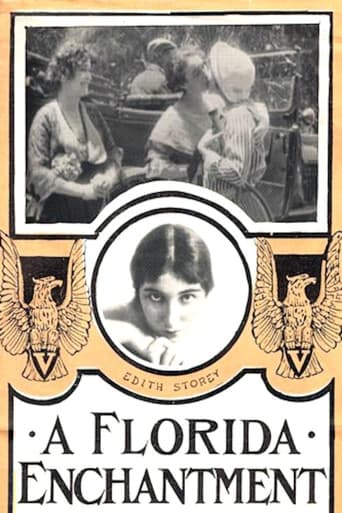
- 'A Florida Enchantment' (1914) was notable for its progressive themes about gender roles for its time
- Drew died relatively young at 45, cutting short a promising career in early cinema
- The Drews often wrote their own screenplays, giving them creative control over their films
- Their films were popular with middle-class audiences who appreciated their more refined humor
- Unlike many silent comedians, Drew maintained a dignified, gentlemanly screen persona
- The Drews' partnership ended with Sidney's death in 1919
- Their films are now considered important examples of early American comedy cinema
Frequently Asked Questions
Who was Sidney Drew?
American actor, on YTB.my. Sidney Drew. The couple created sophisticated domestic comedies that were popular with audiences in the 1910s.
What films is Sidney Drew best known for?
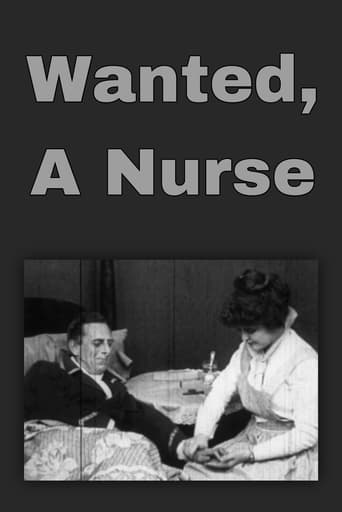
Titles linked here include A Florida Enchantment (1914), Wanted, a Nurse (1915).
When was Sidney Drew born and when did he die?
Born August 28, 1863; died April 9, 1919.
What awards did Sidney Drew win?
Sidney Drew worked during the early silent era before formal film awards like the Academy Awards were established, so he did not receive official awards for his work. However, he was recognized by audiences of his time as part of.
What was Sidney Drew's acting/directing style?
Sidney Drew's style was characterized by sophisticated, subtle humor that relied on wit and timing rather than physical slapstick. His films focused on domestic situations and appealed to middle and upper-class audiences with their refined comedic approach.
Was Sidney Drew related to the Barrymore family?
Yes, Sidney Drew was part of the famous Drew-Barrymore acting family. His brother was John Drew Jr., and his niece was the renowned actress Ethel Barrymore, making him part of one of America's most theatrical dynasties.
How did Sidney Drew's career end?
Sidney Drew's career was cut short by his untimely death in 1919 at the age of 45. His death ended the popular comedy partnership he had formed with his wife, Mrs. Sidney Drew.