
Mrs. Sidney Drew
Actor
Born: January 1, 1870 in Philadelphia, Pennsylvania, United States Died: May 31, 1926 Active: 1914-1919 Birth Name: Lucile McVey
Films
4 films
About Mrs. Sidney Drew
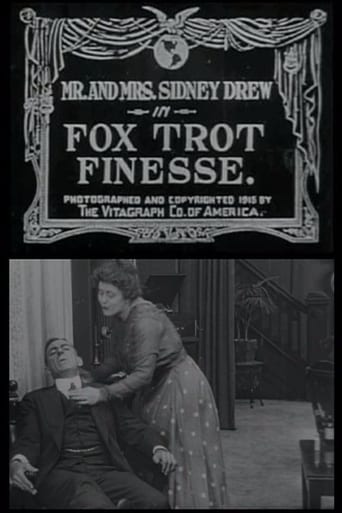
Lucile McVey Drew, known professionally as Mrs. Sidney Drew, was a prominent American actress during the silent film era who rose to fame through her partnership with her husband, the celebrated actor-director Sidney Drew. Born in the late 19th century, she began her entertainment career on the legitimate stage before transitioning to the burgeoning motion picture industry in the early 1910s. Her most notable work came between 1914-1915 when she starred in several successful comedies, often playing opposite her husband in domestic and romantic scenarios that resonated with contemporary audiences. The Drews became one of early cinema's most popular married couples, known for their naturalistic acting style and sophisticated comedies that elevated the medium beyond slapstick. Her career, though brief, was significant during a transitional period in American cinema when filmmakers were exploring narrative possibilities and developing star personas. After her husband's death in 1919, she largely retired from performing, though her contributions to early film comedy influenced subsequent generations of performers.
The Craft
On Screen
Known for her naturalistic and understated performance style, which contrasted with the exaggerated gestures common in early silent cinema. She brought a sense of refinement and sophistication to her comedic roles, often portraying elegant, intelligent women who navigated domestic situations with wit and charm. Her acting was characterized by subtle facial expressions and nuanced body language that conveyed emotion effectively without the need for intertitles.
Milestones
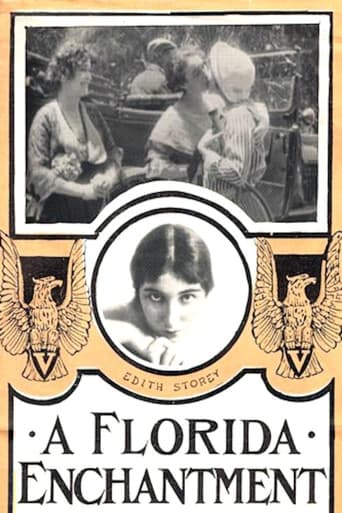
- Breakthrough role in 'A Florida Enchantment' (1914)
- Successful comedy series with husband Sidney Drew
- work in domestic comedy genre
- Transition from stage to silent film
- Established popular on-screen partnership with Sidney Drew
Best Known For
Iconic Roles
Must-See Films
Accolades
Special Recognition
- Pioneer of American silent comedy
- Contributor to early domestic film genre
Working Relationships
Worked Often With
Studios
Why They Matter
Impact on Culture
Mrs. Sidney Drew played a significant role in the development of domestic comedy in American silent cinema, helping to establish the genre that would later influence television sitcoms and family comedies. Her sophisticated portrayal of women in domestic settings helped elevate the status of female characters in early films beyond mere decorative objects to intelligent, active participants in narrative. The Drews' films represented a more refined, middle-class vision of American life that appealed to increasingly respectable audiences, helping to legitimize cinema as a form of family entertainment. Their work demonstrated that subtle, character-driven comedy could be as effective as broad slapstick, expanding the artistic possibilities of the medium.
Lasting Legacy
Though her career was relatively brief, Mrs. Sidney Drew's contributions to early American cinema have been recognized by film historians as important in the development of narrative comedy and the establishment of sophisticated film entertainment. The domestic comedy genre she helped pioneer would become a staple of both cinema and later television. Her partnership with Sidney Drew represented an early example of the power couple dynamic in Hollywood, influencing how married performers would be marketed and presented to audiences. Film preservationists and silent cinema scholars continue to study her work as an example of the transition from theatrical acting styles to more naturalistic film performance techniques.
Who They Inspired
Her naturalistic acting style influenced subsequent generations of film actresses who sought to bring subtlety and realism to their performances. The sophisticated domestic comedies she created with her husband influenced later comedy teams and filmmakers, including the development of screwball comedy in the 1930s. Her portrayal of intelligent, capable women helped pave the way for more complex female characters in American cinema, challenging the limited roles often available to actresses in the early film industry.
Off Screen
Lucile McVey married Sidney Drew, a prominent figure in early American cinema, becoming his second wife. Their marriage was both personal and professional, as they became. The couple had no children together, though Sidney had a son from his previous marriage. Their partnership extended beyond their films to managing their own production company, creating a model for independent filmmaking in early Hollywood. After Sidney's death from pneumonia in 1919, Lucile largely withdrew from public life and the entertainment industry.
Education
Educated in Philadelphia schools; received formal training in dramatic arts and elocution, which prepared her for stage work before entering films.
Family
- Sidney Drew (1914-1919)
Did You Know?
- Often performed under the name 'Mrs. Sidney Drew' rather than her real name, which was common practice for married actresses in the early 20th century
- She and Sidney Drew formed their own production company, giving them creative control over their films
- Her film 'A Florida Enchantment' was considered quite progressive for its time, featuring themes of gender role reversal
- Before entering films, she had a successful career in vaudeville and legitimate theater
- The Drews were among the first film couples to market themselves as a brand, similar to later Hollywood power couples
- She was known for her elaborate wardrobe in films, which set fashion trends for women of the era
- Despite her success, she retired from films shortly after her husband's death, never returning to the industry
- Her films were among the first to explore middle-class domestic life as a subject for comedy
- She was known for her professionalism and punctuality on set, earning respect from crew members
- The Drews' films were particularly popular with female audiences, who appreciated their sophisticated approach to comedy
In Their Own Words
In our pictures, we try to show the comedy of everyday life - the little misunderstandings and happy resolutions that make marriage interesting.
The camera doesn't lie, so one must be truthful in every gesture and expression.
Working with Sidney is like dancing with a perfect partner - he always knows where I'm going before I do.
Frequently Asked Questions
Who was Mrs. Sidney Drew?
Mrs. Sidney Drew, born Lucile McVey, was an American actress who rose to fame in the silent film era as the professional and personal partner of actor-director Sidney Drew. She was known for her sophisticated comedies and naturalistic acting style during the mid-1910s.
What films is Mrs. Sidney Drew best known for?
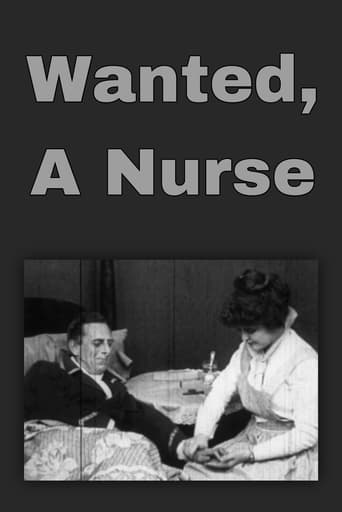
Titles linked here include A Florida Enchantment (1914), Wanted, a Nurse (1915).
When was Mrs. Sidney Drew born and when did she die?
Born January 1, 1870; died May 31, 1926.
What awards did Mrs. Sidney Drew win?
During the silent era, formal acting awards were not yet established, so she received no official awards. However, she was recognized as a pioneer of American silent comedy and contributed significantly to the domestic film genre.
What was Mrs. Sidney Drew's acting style?
She was known for her naturalistic and understated performance style, contrasting with the exaggerated acting common in early silent films. She brought sophistication to her roles through subtle expressions and refined comedic timing.
How did Mrs. Sidney Drew impact early cinema?
She helped establish the domestic comedy genre and demonstrated that subtle, character-driven comedy could succeed in film. Her work elevated the status of female characters and helped legitimize cinema as respectable family entertainment.
Why did Mrs. Sidney Drew retire from films?
She largely retired from filmmaking after her husband Sidney Drew's death in 1919. Their professional partnership was the foundation of her career, and she chose to withdraw from public life rather than continue without him.