
Max Speaks English
"Max Linder's English-lesson flirtation on a train."
Keys: Space play/pause · ←/→ 10s · F fullscreen · M mute · </> speed
About this film
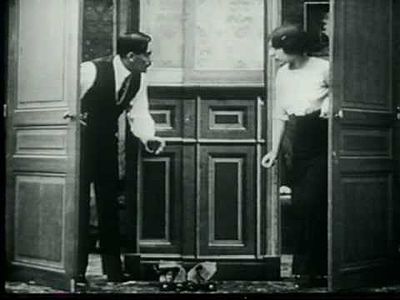
"Scene, a first-class railway carriage. Max and delightful girl alone. "May I smoke?" breaks the ice, and then Max brings all the arts of fascination to bear on the lady, who is by no means shy. Max calls next day. Her father is in the enamel bath and geyser line. Max is making l.
Cast & crew
More Comedy films
View all →






More from Max Linder
View all →
More about this film
About the production
Release date1914
Box officeUnknown - box office records from 1914 are incomplete
ProductionÉclair
Filmed inParis, France
the production was part of Max Linder's successful series of comedy shorts produced for Éclair. The film highlights Linder's sophisticated approach to comedy, which contrasted with the more slapstick style of American comedians of the era. The portable shower bath prop was an innovative gag device that allowed for the film's climactic comedic moment.
Themes
Romance and courtshipSocial class and mannersDomestic comedyMistaken identity and concealmentPhysical comedy and slapstick
Themes & topics
railway carriageshowerromancehidden identityphysical comedysalesmanfather-daughter relationshipmistaken timingwater comedygentleman suitor
Historical background
Max Speaks English (1914) reached screens through Éclair. Exhibitors of the time built nickelodeon-era programs that mixed shorts, features, and live acts, so a clear premise helped Max Speaks English travel between cities and exchange markets.
Why this film matters
Archivists and revival programmers still cite Max Speaks English (1914) when tracing studio habits, casting pools, and the visual rhetoric audiences once took for granted. Even modest surviving prints help map how Max Speaks English fit beside competing releases of its day.
Making of
Max Linder, already an established star by 1914, had significant creative control over his films. He typically developed his own scenarios and worked closely with directors to execute his vision. The shower bath scene required careful timing and camera placement to maximize the comedic effect of the water spray. Early film sets often had limited practical effects, so the production team had to engineer a reliable water system for the portable shower prop. Linder was known for his meticulous preparation and would rehearse physical comedy sequences extensively to perfect the timing. The film was shot on location in Paris and on studio sets, typical of French production methods of the era.
What critics said
Trade coverage around 1914 discussed Max Speaks English for pacing, clarity, and program fit rather than blockbuster grosses. Later writers value it as evidence of period style and as a reference point beside other films from the same era.
Did you know?
- Max Linder was one of the first international comedy stars, predating Charlie Chaplin's fame
- The film's title 'Max Speaks English' is ironic as it was a silent film during the pre-sound era
- Linder's character 'Max' was one of cinema's first recurring comedy personas
- The railway carriage setting was a popular location for romantic comedies of the 1910s
- Éclair, the production company, was one of France's major film studios in the early 20th century
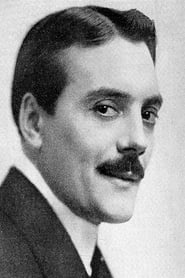
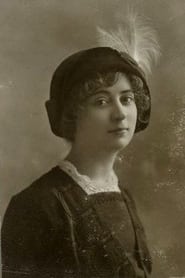
- Cécile Guyon was a frequent co-star with Linder in his comedy films
- The film was distributed internationally, helping establish Linder's global reputation
- The portable shower bath gag was considered innovative for its time
- Linder's sophisticated, gentlemanly comedy style influenced later comedians including Buster Keaton
- The film was released just months before World War I began, which would dramatically affect European cinema
Visual style
The cinematography was typical of French productions of 1914, using stationary cameras with careful composition to frame the comedy. The railway carriage scenes utilized the confined space effectively, creating intimacy between the characters. The shower bath sequence required precise camera placement to capture both the characters' reactions and the physical comedy of the water spray. The film employed medium shots and close-ups to emphasize character expressions, a technique becoming more common in 1914 as filmmakers developed more sophisticated visual storytelling methods.
Innovations
The film demonstrated technical innovation in its use of the portable shower bath prop, which required practical effects engineering to function reliably on set. The timing of the water spray with the actors' movements represented an early example of synchronized physical comedy and technical effects. The film also showcased the growing sophistication of narrative structure in short comedies, moving beyond simple gag sequences to more developed storylines with character motivation and romantic elements.
Music
As a silent film, 'Max Speaks English' would have been accompanied by live musical performance during theatrical screenings. The typical accompaniment would have been a piano or small orchestra playing appropriate mood music. Comedic scenes would have featured light, playful music, while romantic moments would have been underscored with more lyrical themes. The shower bath scene would likely have been accompanied by frantic, humorous music to enhance the physical comedy.
Famous quotes
May I smoke?
What a delightful comedian Linder is.
The Bioscope review]
memorableScenes
preservationStatus
Some prints of 'Max Speaks English' are known to exist in film archives, though it may not be widely available. The film exists in the collection of various film preservation institutions including the Cinémathèque Française. As with many films from this era, complete preservation is challenging, and some versions may be incomplete or deteriorated. Restoration efforts have been undertaken on some Max Linder films, but the current availability status of this specific title may be limited to specialized screenings or archival collections.
whereToWatch
What audiences thought
Audiences of 1914 responded enthusiastically to Linder's sophisticated comedy style. The film was popular in both European and American markets, where Linder had developed a significant following. His character's gentlemanly approach to romance and his elegant physical comedy resonated with middle-class audiences who appreciated more refined humor. The film's railway carriage and domestic settings made it relatable to contemporary viewers, while the shower bath gag provided the physical comedy that audiences expected from comedy shorts.
Film connections
Influenced by
- Georges Méliés' fantasy films
- French theatrical comedy traditions
- Commedia dell'arte character archetypes
- Earlier Pathé and Gaumont comedy shorts
This film influenced
- Charlie Chaplin's romantic comedies
- Buster Keaton's mechanical comedy sequences
- Harold Lloyd's domestic comedy films
- French comedy films of the 1920s
Where to watch
- Wikimedia Commons: https://commons.wikimedia.org/wiki/File:L'anglais%20tel%20que%20Max%20le%20parle%20(1914).webm