
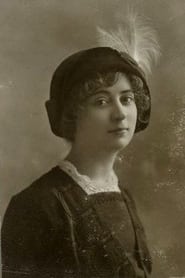
Cécile Guyon
Actor
Born: April 15, 1888 in Paris, France Died: July 19, 1975 Active: 1914-1926 Birth Name: Cécile Marie Guyon
Films
2 films
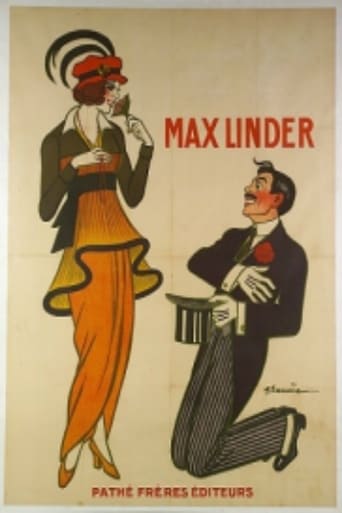
About Cécile Guyon
French actress who flourished during the silent film era, primarily active between 1914 and 1926. She began her career in the early 1910s, appearing in several French productions before gaining recognition for her work with comedian Max Linder. Her most notable role came in 1914's 'Max Speaks English' (Max se marie), where she showcased her comedic talents alongside one of cinema's first international stars. Guyon's career reached another peak with her performance in Jacques Feyder's acclaimed 1926 film 'Gribiche,' where she demonstrated remarkable dramatic range in a story about class and social dynamics in post-war France. Throughout her career, she worked with some of the most innovative directors of the French silent cinema period, contributing to the development of narrative techniques and performance styles that would influence later generations. Her filmography, while not extensive, represents significant contributions to both comedy and drama in early French cinema. After the transition to sound films, Guyon gradually stepped back from acting, as was common for many silent era performers whose careers were disrupted by technological changes in the industry.
The Craft
On Screen
Cécile Guyon's acting style embodied the naturalistic approach that emerged in French cinema during the 1910s, moving away from the exaggerated gestures common in early silent films. In her comedic work with Max Linder, she displayed a subtle, nuanced timing that complemented his physical comedy, often playing the straight role with impeccable precision. Her dramatic performances, particularly in 'Gribiche,' revealed a sophisticated understanding of character psychology, using minimal facial expressions and body language to convey complex emotions. Guyon was known for her ability to adapt her performance style to match the director's vision, whether playing light-hearted romantic leads or more serious, socially conscious characters. Her screen presence combined elegance with accessibility, making her relatable to French audiences while maintaining the grace expected of leading ladies of the era.
Milestones
- Breakthrough role in 'Max Speaks English' (1914) opposite Max Linder
- Critically acclaimed performance in 'Gribiche' (1926) directed by Jacques Feyder
- work in French silent cinema during its golden age
- Collaboration with influential directors of the 1910s and 1920s
- Transition from comedy to dramatic roles demonstrating versatility
Best Known For
Iconic Roles
Must-See Films
Accolades
Special Recognition
- Recognized in French film retrospectives as a significant contributor to silent cinema
- Featured in archival collections preserving French film heritage
Working Relationships
Worked Often With
Studios
Why They Matter
Impact on Culture
Cécile Guyon contributed to the development of French cinema during its formative years, participating in productions that helped establish narrative cinema as an art form in France. Her work in 'Max Speaks English' represented early international co-production efforts in European cinema, showcasing the global ambitions of French filmmakers before World War I. Through her role in 'Gribiche,' she participated in. Guyon's career trajectory—from comedy with Max Linder to serious drama with Jacques Feyder—mirrored the evolution of French cinema itself, moving from simple entertainment to more sophisticated artistic expression. Her performances helped demonstrate the potential of cinema as a medium for both entertainment and social commentary, influencing subsequent generations of French actresses who sought to balance commercial appeal with artistic integrity.
Lasting Legacy
Cécile Guyon's legacy endures primarily through her surviving films, which are studied by film historians and scholars interested in the development of French cinema. Her work with Max Linder places her among the early contributors to cinematic comedy, helping establish techniques that would influence Charlie Chaplin and other silent comedians. The preservation of 'Gribiche' in film archives ensures that her dramatic performance remains accessible to contemporary audiences interested in the artistic achievements of the 1920s. While she may not be a household name today, film enthusiasts and historians recognize her as part of the generation of actors who bridged the gap between cinema's primitive beginnings and its emergence as a sophisticated art form. Her career serves as an example of the many talented performers who contributed to cinema's golden age but whose stories remain partially untold due to the passage of time and limited documentation of the era.
Who They Inspired
Cécile Guyon influenced subsequent generations of French actresses through her naturalistic acting style, which represented a departure from the theatrical techniques common in early cinema. Her ability to seamlessly transition between comedy and drama demonstrated the versatility required for successful film acting, setting an example for performers who followed. Her work in socially conscious films like 'Gribiche' contributed to the French tradition of cinema that engages with social issues, influencing filmmakers who sought to combine entertainment with meaningful commentary. While direct documentation of her influence on specific actors is limited, her performances in preserved films continue to serve as reference points for actors and directors studying the evolution of screen acting techniques. Guyon's career exemplified the professional possibilities for women in early French cinema, contributing to the gradual acceptance of acting as a legitimate profession for women in French society.
Off Screen
Cécile Guyon maintained a relatively private personal life away from the spotlight, which was typical for many French actresses of her era who valued their privacy. Born and raised in Paris, she came from a middle-class family that supported her artistic ambitions during a time when acting was still considered a controversial profession for women. After her film career ended with the advent of sound, she largely retreated from public life, focusing on family and personal interests. She witnessed the dramatic transformation of cinema from silent films to talkies and later to television, but rarely gave interviews about her experiences in early French cinema. Guyon spent her later years in Paris, occasionally attending film retrospectives and ceremonies that honored the pioneers of French cinema.
Education
Likely received education in Paris during the late 19th century; specific details about her formal education or acting training are not well documented in historical records
Family
- Information not publicly available
Did You Know?
- Appeared in one of Max Linder's final French films before his move to Hollywood
- Worked during the transitional period when French cinema was establishing its artistic identity
- Participated in early international co-productions that attempted to reach global audiences
- Her film 'Gribiche' was considered lost for decades before being rediscovered and restored
- Survived the transition from silent films to talkies, though she did not continue her acting career in sound films
- Represented the type of versatile actress who could work in both popular entertainment and artistic cinema
- Her active years covered World War I, a period that dramatically affected the French film industry
- Worked with Jacques Feyder during his emergence as one of France's most important directors
- Her performances are studied in film schools as examples of silent era acting techniques
- Part of the generation of French actors who witnessed cinema evolve from novelty to art form
In Their Own Words
Information about specific quotes attributed to Cécile Guyon is not available in historical records, which was common for actors of the silent era who rarely gave published interviews
Frequently Asked Questions
Who was Cécile Guyon?
French actress who worked during the silent film era from 1914 to 1926, best known for her roles in 'Max Speaks English' (1914) with comedian Max Linder and 'Gribiche' (1926) directed by Jacques Feyder. She was part of the generation of performers who helped establish French cinema as an art form during its golden age.
What films is Cécile Guyon best known for?
Titles linked here include Max Speaks English (1914), Gribiche (1926).
When was Cécile Guyon born and when did she die?
Born April 15, 1888; died July 19, 1975.
What awards did Cécile Guyon win?
While Cécile Guyon did not receive major formal awards during her career, which was common for actors in the early film era, she has been recognized posthumously by film historians and retrospectives as an important contributor to French silent cinema. Her work, particularly in 'Gribiche,' is considered artistically significant by film scholars.
What was Cécile Guyon's acting style?
Cécile Guyon's acting style was characterized by naturalism and subtlety, moving away from the exaggerated gestures typical of early silent films. She displayed remarkable versatility, excelling in both comedy with precise timing and drama with nuanced emotional expression, adapting her approach to suit different directors' visions.
Why did Cécile Guyon's career end in 1926?
Cécile Guyon's career ended around 1926, coinciding with the transition from silent films to talkies. Like many silent era actors, she likely found it difficult to adapt to the new requirements of sound cinema, and the industry was rapidly changing with new stars and techniques emerging. Her retirement was typical for many performers of her generation.