



Voyage to the Planet of Prehistoric Women
"Astronauts, then consequences"
Keys: Space play/pause · ←/→ 10s · F fullscreen · M mute · </> speed
About this film
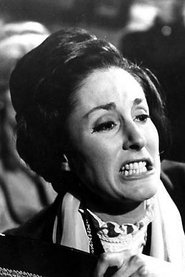
Astronauts crash-land on Venus and find themselves in trouble when they kill a monster that is worshipped by a group of Venusian women. Exhibitors circulated the 1968 print in short programs.
Cast & crew
More films like this
More Adventure films
View all →




More about this film
About the production
Release dateDecember 1968
BudgetApproximately $60,000 (estimated for the new American footage)
Box officeLimited theatrical release, modest earnings typical of B-movie circuit
ProductionAmerican International Pictures, MGM/UA
Filmed inNew York, New York (new footage), Moscow, Soviet Union (original footage)
This film was created by combining newly shot footage of Mamie Van Doren and other actresses with extensive sequences from the 1962 Soviet science fiction film 'Planeta Bur' (Planet of Storms). The American production, supervised by Roger Corman, added approximately 20 minutes of new material featuring the Venusian women, while dubbing and re-editing the Soviet footage to create a cohesive narrative. The new footage was directed by Peter Bogdanovich under the pseudonym Derek Thomas.
Themes
Space explorationCultural collisionFemale power and sexualityTechnology vs. natureAncient rituals vs. modern science
Themes & topics
astronautsVenusprehistoric womentelepathyspace crashalien planetmonster worshiprevengespace exploration1960s sci-fi
Historical background
Voyage to the Planet of Prehistoric Women reached screens around 1968, produced in its country of origin.
Why this film matters
Researchers cite Voyage to the Planet of Prehistoric Women when tracing screen culture of its decade.
Making of
The production of 'Voyage to the Planet of Prehistoric Women' represents a fascinating example of 1960s B-movie economics. Roger Corman acquired the American distribution rights to the Soviet film 'Planeta Bur' for a minimal sum, then commissioned new footage to make it more marketable to American audiences. Peter Bogdanovich, then a young film critic and aspiring director, was hired to direct the additional scenes. The new sequences featuring Mamie Van Doren and her fellow Venusian women were filmed quickly on a minimal budget, with simple sets and costumes. The challenge was to seamlessly integrate this new material with the existing Soviet footage, which required careful editing and creative dubbing. The production team had to match the visual style of the Soviet film while adding the exploitation elements that American B-movie audiences expected. Bogdanovich later expressed embarrassment about this early work, considering it a necessary step in his career development.
What critics said
Reviewers in 1968 weighed Voyage to the Planet of Prehistoric Women on clarity, pacing, and audience response rather than prestige status. No single canonical review dominates later reference works for the title.
Did you know?
- Peter Bogdanovich directed this film under the pseudonym Derek Thomas early in his career before becoming famous with 'The Last Picture Show'
- The film is essentially a recut version of the Soviet sci-fi film 'Planeta Bur' (1962) directed by Pavel Klushantsev
- Mamie Van Doren's scenes were all filmed in a single day on a soundstage in New York
- The Venusian women costumes were designed by Van Doren herself and were reportedly quite revealing for the time
- The Soviet footage included groundbreaking special effects for its time, including mechanical robots and detailed spaceship models
- Roger Corman, known for his cost-cutting production methods, oversaw this project as part of his strategy to create marketable films from existing foreign footage
- The film was originally intended to be called 'The Prehistoric Women of Venus' but was changed for marketing reasons
- None of the original Soviet actors' performances were retained in the final cut - all characters from the Soviet footage were redubbed by American voice actors
- The film was part of a trend in the late 1960s of combining American footage with foreign sci-fi films to create new productions
- The Venusian women speak telepathically in the film, which was a creative solution to avoid synchronization issues between the new and old footage
Visual style
The cinematography is notably inconsistent due to its hybrid nature, combining the sophisticated Soviet footage with the more rudimentary American material. The Soviet sequences feature impressive widescreen compositions and innovative special effects photography, including detailed model work and matte paintings. The new American footage, shot on soundstages, has a more conventional look typical of low-budget productions of the era. The film makes interesting use of color, particularly in the Venusian women sequences, where vibrant costumes contrast with the more muted tones of the space footage.
Innovations
The primary technical achievement of the film lies in its integration of footage from two different production sources and countries. The Soviet material included groundbreaking special effects for its time, particularly in its depiction of space travel and alien creatures. The American production team faced significant technical challenges in matching the visual quality and style of the Soviet footage while adding new narrative elements. The film's use of dubbing and voice-over techniques to create a unified narrative from disparate sources represents an innovative, if not entirely successful, approach to low-budget filmmaking.
Music
The musical score combines elements from the original Soviet film with new American compositions. The Soviet portions feature an orchestral score typical of 1960s science fiction, while the American segments include more contemporary, jazz-influenced pieces. The soundtrack also includes several musical numbers performed by the Venusian women, adding to the film's exploitation appeal. The sound design is notable for its creative use of alien sound effects and ambient noise to establish the Venusian environment.
Famous quotes
We come in peace, but we will defend ourselves!
The great god has been slain by these invaders from the sky!
Their technology is powerful, but our magic is ancient!
Venus was a paradise until you came!
You have destroyed our protector, now you will face our wrath!
Memorable scenes
- The opening sequence showing the astronauts' spaceship approaching Venus through colorful cosmic clouds
- The dramatic crash landing sequence combining Soviet special effects with new American footage
- The first appearance of the Venusian women emerging from misty caves in their revealing costumes
- The ritual dance scene where the women summon their powers to seek revenge
- The climactic confrontation between the astronauts and the vengeful Venusian tribe
What audiences thought
The film found its primary audience among drive-in theater patrons and B-movie enthusiasts who appreciated its blend of science fiction adventure and exploitation elements. Mamie Van Doren's presence attracted her fan base, though the film didn't achieve the cult status of some other 1960s exploitation films. Audience reactions were mixed, with some viewers enjoying the campy aspects and exotic Venusian women, while others found the disjointed narrative confusing. The film has since developed a minor cult following among fans of 1960s sci-fi and those interested in the early careers of its director and stars.
Film connections
Influenced by
- Planeta Bur (1962)
- Forbidden Planet (1956)
- Cat-Women of the Moon (1953)
- Queen of Outer Space (1958)
- Voyage to the Prehistoric Planet (1965)
Film restoration
The film exists in various home video formats, though quality varies depending on the source material. The original Soviet film 'Planeta Bur' has been better preserved and restored in recent years. The American version has not received official restoration but survives through VHS and DVD releases, as well as digital versions available through specialty streaming services.
Where to watch
- Available on DVD through MGM/UA Home Entertainment
- Streaming on Tubi and other free ad-supported platforms
- Available for digital rental or purchase on Amazon Prime Video
- Occasionally airs on specialty cable channels like TCM Underground
- Available through some archive.org collections in public domain versions