Gennadi Vernov
Actor
Born: March 25, 1937 in Moscow, Soviet Union Died: March 26, 1995 Active: 1962-1970s Birth Name: Gennadi Pavlovich Vernov (Геннадий Павлович Вернов)
Films
2 films
About Gennadi Vernov
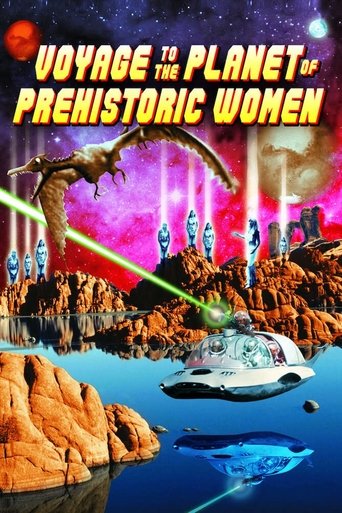
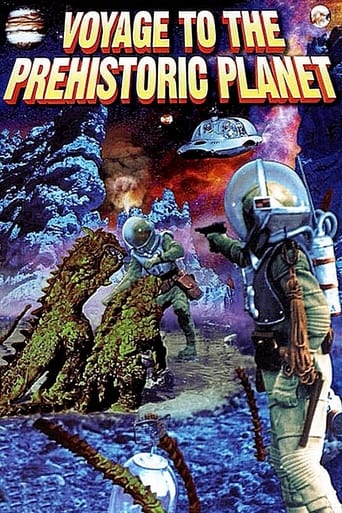
Soviet actor: brief but notable career coincided with a fascinating period of international film collaboration. Born in Moscow in 1937, he graduated from the prestigious Moscow Art Theatre School, which provided him with classical training that would inform his screen performances. His most significant contribution to cinema came through his role in Pavel Klushantsev's science fiction masterpiece 'Planeta Bur' (Planet of Storms) in 1962, a film that showcased Soviet technical innovation and artistic vision. When American producer Roger Corman acquired the rights to this Soviet film, Vernov's performance reached international audiences through the re-edited versions 'Voyage to the Prehistoric Planet' (1965) and 'Voyage to the Planet of Prehistoric Women' (1968). While his career in Soviet cinema included several other film and television appearances, these international productions remain his most recognized works. Vernov represented the bridge between Soviet cinema and Western audiences during the Cold War era, when cultural exchange was rare but significant. His career, though relatively short, exemplified the artistic quality of Soviet actors who worked within their country's film industry while occasionally achieving international recognition through these unique cross-cultural productions.
The Craft
On Screen
Classically trained in the Stanislavski method, Vernov brought a naturalistic and grounded approach to his performances, particularly effective in science fiction contexts where he had to react to fantastical elements with believable human emotion. His training at the Moscow Art Theatre School provided him with a foundation in psychological realism that translated well to screen acting.
Milestones
- Starred in 'Planeta Bur' (1962), later re-edited for international release
- Graduated from Moscow Art Theatre School
- Appeared in multiple Soviet films and television productions
- Gained international recognition through Roger Corman's re-edited versions
- Represented Soviet cinema during Cold War cultural exchange
Best Known For
Iconic Roles
Must-See Films
Accolades
Special Recognition
- Graduate of Moscow Art Theatre School - prestigious Soviet acting institution
Working Relationships
Worked Often With
Studios
Why They Matter
Impact on Culture
Gennadi Vernov's most significant cultural impact came through his participation in 'Planeta Bur', a film that represents a unique moment in Cold War cultural exchange. When Roger Corman re-edited the Soviet film for American audiences, Vernov became one of the few Soviet actors to reach Western viewers during this period of political tension. His performance helped demonstrate that Soviet cinema could produce science fiction with technical sophistication and artistic merit comparable to Western productions. The international versions of the film created a bridge between two competing cinematic traditions and introduced American audiences to Soviet filmmaking sensibilities.
Lasting Legacy
Gennadi Vernov's legacy is primarily tied to his role in the cross-cultural film exchange between the Soviet Union and the United States during the 1960s. While his career within Soviet cinema was modest, his appearance in the internationally distributed versions of 'Planeta Bur' ensured his place in film history as part of an unusual collaboration between Cold War adversaries. The films themselves have become cult classics among science fiction enthusiasts, preserving Vernov's performances for future generations. His work exemplifies how art can transcend political boundaries and create unexpected connections between different cultures.
Who They Inspired
While Gennadi Vernov did not have a widely documented influence on other actors or filmmakers, his participation in these internationally distributed Soviet science fiction films contributed to the global appreciation of Soviet cinema's technical achievements. The success of 'Planeta Bur' and its American adaptations demonstrated that Soviet actors could deliver performances that resonated with Western audiences, potentially opening doors for other Soviet performers to gain international recognition.
Off Screen
Gennadi Vernov led a relatively private life outside of his acting career. Born and raised in Moscow, he remained in the city throughout his life, working within the Soviet film industry during a period of significant cultural and political change. His death in 1995 came just a few years after the collapse of the Soviet Union, during a time of major transition in Russian society and its film industry.
Education
Moscow Art Theatre School (graduated in early 1960s) -.
Family
- Information not publicly available
Did You Know?
- 'Planeta Bur' was one of the first Soviet science fiction films to be acquired and re-edited for American distribution
- The American versions added new footage with American actors while keeping the original Soviet performances
- Roger Corman, known for his efficient film production methods, saw commercial potential in the Soviet space footage
- Vernov's performance was preserved in both 'Voyage to the Prehistoric Planet' (1965) and 'Voyage to the Planet of Prehistoric Women' (1968)
- The original Soviet film 'Planeta Bur' was more scientifically accurate than many American science fiction films of the period
- Vernov worked during a golden age of Soviet science fiction cinema
- Moscow Art Theatre School, where Vernov trained, was founded by Konstantin Stanislavski
- The international success of these films was rare for Soviet productions during the Cold War
- Vernov died just one day after his 58th birthday
- His active years covered the transition from Soviet to post-Soviet Russia
In Their Own Words
No widely documented quotes from Gennadi Vernov are available in English translation
Frequently Asked Questions
Who was Gennadi Vernov?
Soviet with credits in this catalog. He — classically trained actor who graduated from the prestigious Moscow Art Theatre School.
What films is Gennadi Vernov best known for?
Titles linked here include Planeta Bur (1962), Voyage to the Prehistoric Planet (1965).
When was Gennadi Vernov born and when did he die?
Born March 25, 1937; died March 26, 1995.
What awards did Gennadi Vernov win?
There are no documented major awards or nominations specifically for Gennadi Vernov. His most notable recognition was his graduation from the prestigious Moscow Art Theatre School and his participation in films that achieved international distribution.
What was Gennadi Vernov's acting style?
Trained in the Stanislavski method at Moscow Art Theatre School, Vernov employed a naturalistic, psychologically realistic acting style. This classical training allowed him to bring believable human emotion to science fiction contexts, reacting to fantastical elements with grounded, authentic performances.
How did Gennadi Vernov's films reach American audiences?
Roger Corman acquired the rights to the Soviet film 'Planeta Bur' and re-edited it for American distribution. He added new footage with American actors while preserving Vernov's original performance, creating 'Voyage to the Prehistoric Planet' (1965) and later 'Voyage to the Planet of Prehistoric Women' (1968).
What was Gennadi Vernov's connection to the Cold War?
Vernov's participation in films that were distributed in America during the 1960s represented a rare example of cultural exchange between the Soviet Union and United States during the Cold War. His work helped bridge the gap between Soviet and Western cinema at a time of political tension.