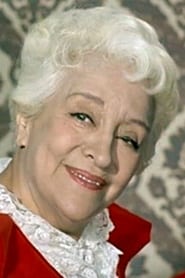
Françoise Rosay
Actor
Born: April 19, 1891 in Paris, France Died: March 28, 1974 Active: 1915-1973 Birth Name: Françoise Borda de Rosay
Films
2 films

About Françoise Rosay
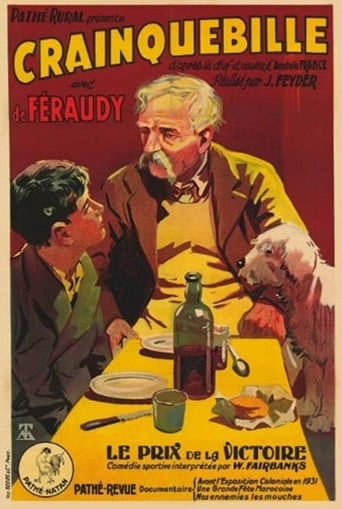
French actress: remarkable over five decades, from the silent era through the Golden Age of cinema. Born in Paris in 1891, she began her career on the stage before transitioning to film, where she quickly established herself as one of France's most versatile performers. Her breakthrough came in Jacques Feyder's silent films, including the acclaimed Crainquebille (1922) and Gribiche (1926), where her naturalistic acting style helped bridge theatrical and cinematic performance techniques. After marrying Feyder, she became his muse and starred in many of his most important works, including the international success The Kiss (1929) and La Kermesse héroïque (1935), which earned her international acclaim. Rosay successfully transitioned to sound films, demonstrating remarkable linguistic abilities by performing in French, English, and German productions. Her career extended well beyond her initial silent period, with notable roles in later films including The Little World of Don Camillo (1952) and The Lame Devil (1948). She continued acting into her 70s, becoming one of cinema's most respected character actresses and a symbol of French cultural sophistication.
The Craft
On Screen
Françoise Rosay was known for her naturalistic yet emotionally nuanced acting style that bridged theatrical tradition with cinematic realism. Her performances combined French classical training with innovative screen techniques, allowing her to convey complex emotions with subtlety and restraint. She possessed remarkable versatility, able to play both comic and dramatic roles with equal conviction, and her multilingual abilities enabled her to adapt her performance style to different national cinemas while maintaining her distinctive French elegance and sophistication.
Milestones
- Breakthrough role in Crainquebille (1922)
- Starred in Gribiche (1926)
- International success with The Kiss (1929)
- Acclaimed performance in La Kermesse héroïque (1935)
- Successful transition to sound films
- Worked in multiple languages (French, English, German)
- Long career spanning silent era to modern cinema
- Became respected character actress in later years
Best Known For
Iconic Roles
Must-See Films
Accolades
Won
- Volpi Cup for Best Actress (Venice Film Festival, 1935) for La Kermesse héroïque
- Best Actress Award (Venice Film Festival, 1948) for The Lame Devil
Nominated
- Academy Award nomination for Best Actress (1936) for La Kermesse héroïque (as part of the film's multiple nominations)
Special Recognition
- Commandeur de la Légion d'honneur
- Officier des Arts et des Lettres
- Tribute at Cannes Film Festival (1973)
Working Relationships
Worked Often With
Studios
Why They Matter
Impact on Culture
Françoise Rosay significantly influenced the development of film acting techniques during the transition from silent to sound cinema, demonstrating how theatrical training could be adapted for the screen without losing emotional authenticity. Her success in international productions helped establish French cinema's global presence during the 1930s, and her ability to work seamlessly in multiple languages set a precedent for European actors in international films. As one of the few women of her era to maintain creative control over her career choices, she became a role model for subsequent generations of actresses seeking artistic independence.
Lasting Legacy
Françoise Rosay's legacy endures through her extensive filmography, which represents a crucial bridge between silent and sound cinema, and between European and Hollywood film traditions. She is remembered as one of France's most versatile actresses, capable of commanding both comic and dramatic roles with equal skill. Her collaborations with Jacques Feyder produced some of the most significant French films of the 1920s and 1930s, and her later work as a character actress demonstrated remarkable longevity in an industry known for its fleeting nature. Today, she is studied by film scholars as an exemplar of how classical training could enhance rather than hinder cinematic performance.
Who They Inspired
Rosay influenced subsequent generations of French actresses through her demonstration of how to maintain artistic integrity while working in commercial cinema. Her naturalistic style, which avoided the melodramatic excesses common in early cinema, paved the way for the more subtle acting techniques that would dominate post-war European cinema. Her success in international productions inspired other European actors to pursue cross-cultural careers, and her long-lasting marriage to Jacques Feyder provided a model for creative partnerships in film that balanced personal and professional collaboration.
Off Screen
Françoise Rosay married director Jacques Feyder in 1917, forming one of cinema's most notable creative partnerships. Their marriage lasted until Feyder's death in 1948, during which they collaborated on numerous successful films. She had three children with Feyder: Paul, Pierre, and Marc, with Marc Feyder also becoming a film director. After Feyder's death, Rosay continued her acting career while maintaining her status as a respected figure in French cinema. She was known for her intelligence, cultural sophistication, and dedication to her craft, becoming a mentor to younger actors and a symbol of French artistic excellence.
Education
Studied at the Conservatoire de Paris, trained in classical French theater techniques
Family
- Jacques Feyder (1917-1948)
Did You Know?
- She was a cousin of the famous French actress Sarah Bernhardt
- Spoke five languages fluently, which helped her international career
- Her stage name 'Rosay' came from her family's ancestral estate
- She was one of the first French actresses to sign with MGM
- Turned down Hollywood contracts to remain in Europe
- Published her memoirs 'Le Cinéma et moi' in 1972
- Was a member of the French Resistance during World War II
- Her performance in La Kermesse héroïque was preserved in the National Film Registry
- Taught acting at the Conservatoire de Paris in her later years
- Was offered the Legion of Honour twice before accepting it
In Their Own Words
The camera is more honest than the mirror - it captures what the heart feels
Silence taught me everything I needed to know about sound
In every language, the heart speaks the same truth
Theatre teaches you to be heard, cinema teaches you to be seen
I never played a character; I lived with them for a while
Frequently Asked Questions
Who was Françoise Rosay?
French actress whose active years covered over five decades, from the silent era through the 1970s. She was known for her versatility, working in both French and international cinema, and was particularly celebrated for her roles in Jacques Feyder's films including Crainquebille and La Kermesse héroïque.
What films is Françoise Rosay best known for?
Titles linked here include Crainquebille (1922), Gribiche (1926).
When was Françoise Rosay born and when did she die?
Born April 19, 1891; died March 28, 1974.
What awards did Françoise Rosay win?
She won the Volpi Cup for Best Actress at the Venice Film Festival twice - in 1935 for La Kermesse héroïque and in 1948 for The Lame Devil. She also received France's highest honors including the Commandeur de la Légion d'honneur and Officier des Arts et des Lettres.
What was Françoise Rosay's acting style?
Her acting style combined French classical theatrical training with cinematic naturalism, allowing her to convey complex emotions with subtlety and restraint. She was known for avoiding melodramatic excesses common in early cinema, instead favoring authentic, emotionally nuanced performances that worked effectively in both silent and sound films.
How was Françoise Rosay related to Jacques Feyder?
Françoise Rosay married director Jacques Feyder in 1917, forming one of cinema's most significant creative partnerships. They collaborated on numerous films throughout their marriage until Feyder's death in 1948, with Rosay often starring in his most acclaimed works as both his muse and leading actress.
Did Françoise Rosay work in Hollywood?
Yes, she worked in Hollywood briefly, most notably starring in The Kiss (1929) for MGM, which was one of the last major silent films. Despite offers for long-term Hollywood contracts, she chose to remain in Europe to focus on French and European cinema, though she continued to work in international productions throughout her career.