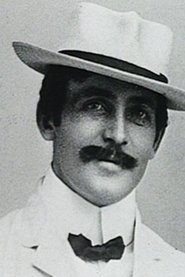
Lewin Fitzhamon
Director
- Active
- 1905-1911
Films directed 5
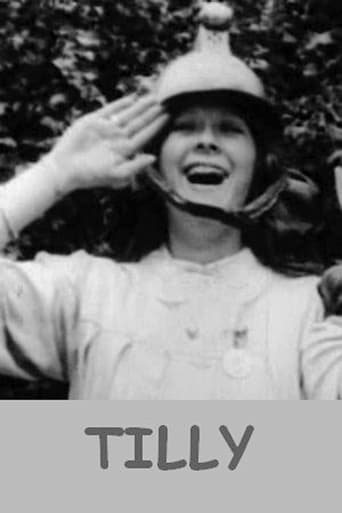
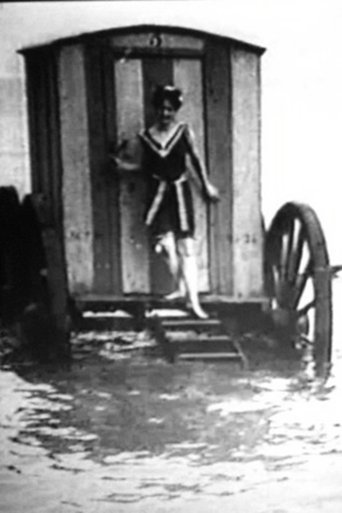
About Lewin Fitzhamon
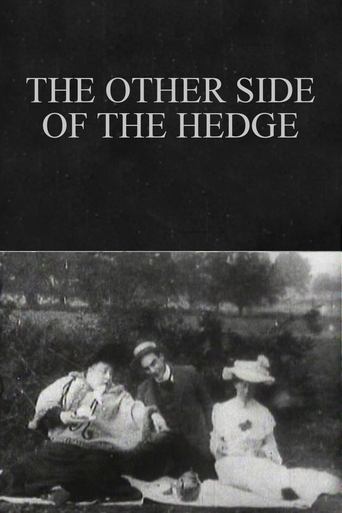
Lewin Fitzhamon was a pioneering British film director active during the formative years of narrative cinema, with a known screen career spanning at least 1905 to 1911. He is associated with some of the earliest British comic and trick-film productions, including The Other Side of the Hedge (1905), That Fatal Sneeze (1907), The Doll's Revenge (1907), A Seaside Girl (1907), and Tilly and the Fire Engines (1911). Working in an era when film language, editing, and screen comedy were still being invented, Fitzhamon helped shape the style of short-form silent farce and novelty films that were popular with early audiences. His surviving filmography suggests a filmmaker comfortable with physical comedy, visual gags, and the rapid, economical storytelling demanded by early one- and two-reel productions. He is best remembered today not as a celebrity director of the later studio era, but as part of the crucial generation of British filmmakers who established screen comedy before the First World War. Because records from this period are often incomplete, many details of his personal life remain obscure, but his work persists as evidence of the inventive energy of early British cinema. In film history terms, Fitzhamon belongs to the small cadre of directors whose craft helped move film from novelty attraction to structured comic narrative.
More about Lewin Fitzhamon
Behind the camera
Fitzhamon's directing style, as reflected in his known films, appears to have emphasized brisk visual storytelling, physical comedy, and comic escalation rather than dialogue or psychological characterization. His films belong to the early silent tradition of clear, often broadly staged situations that could be understood immediately by audiences in a fairground or nickelodeon setting. He likely favored compact narratives, practical gags, and strong visual punchlines, especially in productions involving domestic mishaps, social embarrassment, and slapstick surprise. The surviving titles suggest a filmmaker working in the popular comic vein of the period, where timing, motion, and sight gags mattered more than realism or subtle performance. In that sense, his directing style was practical, audience-friendly, and emblematic of the inventive but still experimental phase of early British cinema.
In film history
Lewin Fitzhamon's cultural importance lies in his contribution to the development of British silent comedy during cinema's earliest commercially successful years. Directors working in this era helped establish the grammar of screen farce: exaggerated physical action, rapid comic incident, and the use of everyday situations as vehicles for visual humor. Even when individual films are not widely remembered by general audiences today, they form part of the foundational corpus that taught viewers how to read film comedy. Fitzhamon's work therefore belongs to the broader cultural movement that made moving pictures a shared mass entertainment rather than only a novelty attraction. His films also reflect the transition of cinema from simple actuality scenes toward staged narrative entertainment. That evolution had lasting consequences for British film culture, as it encouraged the development of comic performance styles and production methods that would be refined by later silent comedians and studio directors. In historical terms, Fitzhamon represents the sort of early filmmaker whose innovations were absorbed into the medium so thoroughly that their names became less familiar than their influence. His legacy is preserved through film history scholarship and archive listings that recognize the importance of these early comic shorts to the international evolution of screen comedy.
Later reputation
Fitzhamon's lasting legacy is as a representative pioneer of early British narrative filmmaking, especially in the comic and novelty-film tradition. Although he does not appear to have achieved the international renown of later silent-era figures, his surviving credits demonstrate participation in the crucial years when the film industry was discovering how to build stories, jokes, and spectacle for a mass audience. He remains of interest to historians because his work sits at the intersection of early comedy, trick-film aesthetics, and pre-feature-era production. For modern scholars, even a limited filmography like his is valuable evidence of the creative ecosystem from which later British screen comedy emerged.
Influence
Fitzhamon influenced the early development of screen comedy by contributing to the body of work that normalized comic incident, visual surprise, and narrative setup-and-payoff structures in silent film. While direct lineages are difficult to document due to incomplete records, filmmakers like Fitzhamon helped establish the conventions that later British and international comedians would expand upon. His films show the practical cinematic thinking that later directors and gag-driven filmmakers inherited: economy of action, clear staging, and reliance on visual rhythm. His broader influence is best understood as foundational rather than individually traceable, part of the collective early filmmaking generation that made comedy a durable screen form.
Off screen
Very little reliably documented information appears to survive about Lewin Fitzhamon's personal life, including his family background, marriage, or private activities outside filmmaking. This scarcity is common for early silent-era figures whose careers unfolded before systematic studio publicity and comprehensive archival record-keeping became standard. As a result, his biography is known primarily through surviving film credits and historical references to the early British film industry. No well-attested accounts of his domestic life, residence, or post-film career are readily available in standard film-history summaries.
Education
No verified information about his education is readily available in standard historical film references.
Credits
- Directed early British comic and trick films during the pioneering phase of silent cinema
- Helmed The Other Side of the Hedge (1905), one of his earliest known surviving credits
- Directed That Fatal Sneeze (1907), a notable example of early screen farce
- Worked on The Doll's Revenge (1907) and A Seaside Girl (1907), both reflecting the period's interest in physical comedy and domestic or social humor
- Directed Tilly and the Fire Engines (1911), showing continued activity into the more developed pre-war silent era
- Helped define the short-form comic style that was common in Britain before feature-length cinema became dominant
Films
- The Other Side of the Hedge (1905)
- That Fatal Sneeze (1907)
- The Doll's Revenge (1907)
- A Seaside Girl (1907)
- Tilly and the Fire Engines (1911)
Notes
- Lewin Fitzhamon is best known today through film credits rather than biographical records, which is typical for many early silent-era directors.
- His known work includes several titles from the fertile British comedy scene of the 1900s, a period when short comic films were especially popular.
- That Fatal Sneeze (1907) is the kind of high-concept comic title that reflects the playful, gag-centered marketing of the period.
- His active years, as currently documented, fall entirely within cinema's pioneering pre-World War I period.
- He directed both 1907 and 1911 films, suggesting a career that extended through the transition from very early trick-film style to more established narrative short subjects.
- Little to no reliable personal information is widely published about him, making him a historian's figure more than a celebrity figure.
- Because early British film records are fragmentary, some details of his output may remain incomplete or under-documented.
- His work is part of the overlooked foundation of British screen comedy before the rise of feature-length productions.
Questions
Who was Lewin Fitzhamon?
Lewin Fitzhamon was an early British silent film director active in the first decade of the 20th century. He is remembered for directing comic and novelty shorts during cinema's formative years, helping shape the language of early screen farce.
What films is Lewin Fitzhamon best known for?
He is best known for The Other Side of the Hedge (1905), That Fatal Sneeze (1907), The Doll's Revenge (1907), A Seaside Girl (1907), and Tilly and the Fire Engines (1911). These titles reflect his association with early British comic filmmaking.
When was Lewin Fitzhamon born and when did he die?
His birth and death dates are not readily available in standard reference sources. Likewise, his birth and death places are not reliably documented in the accessible historical record.
What awards did Lewin Fitzhamon win?
No major awards or formal honors are readily documented for Lewin Fitzhamon. This is not unusual for filmmakers of the silent era, especially those whose careers predated the modern awards system.
What was Lewin Fitzhamon's directing style?
His directing style appears to have favored brisk pacing, physical comedy, and clear visual storytelling. The surviving titles suggest an emphasis on comic situations, visual gags, and the concise storytelling style typical of early silent shorts.
What was Lewin Fitzhamon's legacy in film history?
His legacy lies in helping establish early British screen comedy and the short-form narrative style that became common before World War I. Even though he is not a widely known name today, his work represents an important part of cinema's foundational period.