Tilly and the Fire Engines
Plot
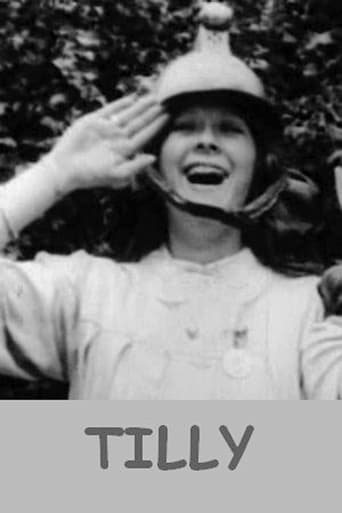
Tilly and the Fire Engines is a short comic chase film built around a burst of mischief at a fairground. A pair of tomboyish girls commandeer a fire engine and drive it recklessly through the amusement area, turning the routine presence of the fire brigade into part of the joke. Their rampage leads them to hose the firemen themselves, reversing the usual authority of emergency responders and creating the film's central comic gag. The action is fast, physical, and rooted in visual slapstick, with the humor coming from the girls' boldness, the confusion they cause, and the escalating chaos of the chase.
Director
Lewin FitzhamonAbout the Production
This was a very short British silent comedy produced during the early 1910s when studio comedies were commonly made as brief, self-contained amusements for the cinema program. It belongs to the style of Hepworth productions associated with bright outdoor staging, simple comic setups, and energetic action designed to be clearly readable to audiences without intertitles carrying much of the narrative burden. Lewin Fitzhamon was one of the key directors working for the Hepworth company, and the film reflects the studio's reliance on practical location-style or open-air scenic filming when possible. The cast includes Alma Taylor and Chrissie White, two of the best-known British screen actresses of the period, which suggests the production was intended to capitalize on recognizable performers in a light popular format.
Historical Background
Tilly and the Fire Engines was made in 1911, during a formative period for world cinema when short films dominated theatrical programming and the language of film comedy was still being established. In Britain, companies like Hepworth were developing a national screen culture alongside the more heavily documented American and French industries, and short comedies were among the most reliable commercial genres. The early 1910s were also a time of expanding urban amusement culture, with fairgrounds, music halls, and popular entertainments providing both subjects and audiences for film. The film matters historically because it reflects the transitional stage of silent cinema before feature-length narrative became standard, while also showing the period's fondness for comic spectacle, physical gags, and lively female performers in active roles.
Why This Film Matters
Although not a major canonical title, the film is culturally significant as an example of early British comic filmmaking and of how women were represented in playful, energetic, and sometimes subversive ways on the silent screen. The sight of tomboy characters taking control of a fire engine creates a mischievous inversion of authority that fits the comic traditions of music hall and pantomime while also anticipating later screen comedies built around women who disrupt orderly systems. It also contributes to the preservation of Alma Taylor and Chrissie White's screen images as among the recognizable young stars of British silent cinema. For film historians, the title is useful evidence of the variety and experimentation of pre-war British shorts, especially those that mixed slapstick, chase structure, and public spectacle.
Making Of
Very little detailed behind-the-scenes documentation survives for this film, which is common for British shorts from 1911. What can be said with confidence is that it was produced in the Hepworth system, where films were made quickly and economically, often relying on familiar performers and straightforward comic premises. The presence of Alma Taylor and Chrissie White indicates that the film likely benefited from star appeal within the studio's ensemble of regular players. Like many early comedies, the production would have depended on careful physical staging, timing, and clear visual geography so that the audience could instantly understand the joke without elaborate continuity or dialogue.
Visual Style
The cinematography would have been characteristic of early 1910s British studio and location-style filmmaking: static or minimally moving camera placement, clear tableau composition, and emphasis on full-body action within the frame. Because the film's comedy depends on a moving vehicle and physical business, the camera likely prioritized readability over elaborate cutting, allowing the audience to track the fire engine, the performers, and the reactions of the firemen in a single coherent visual field. Outdoor daylight photography would have suited the fairground setting and the practical demands of silent production. The style is notable less for technique in the modern sense than for its directness, spatial clarity, and use of action-based visual humor.
Innovations
The film does not appear to be associated with any major technical innovation, but it is representative of early cinema's ability to stage complex physical comedy clearly and economically. Its main technical achievement lies in the effective orchestration of motion: a vehicle sequence, crowd interaction, and the comic use of a hose all had to be captured in a way that read instantly to audiences. Early short comedies like this helped refine the practical grammar of chase films and action gags, demonstrating how much could be accomplished with simple staging, timing, and visual escalation. The film also exemplifies the efficient production methods of the Hepworth company in the years before feature filmmaking became dominant.
Music
As a silent film, Tilly and the Fire Engines would not have had a synchronized recorded soundtrack. In exhibition, it would have been accompanied by live music selected by the cinema or musician, likely light, lively, and timed to support the comic pacing and chase action. Any specific original cue sheet or commissioned score is not currently known. Modern screenings, if available, may use archive-created or venue-created accompaniment appropriate to silent comedy.
Memorable Scenes
- The central comic moment in which the tomboy protagonists drive the fire engine through the fairground, disrupting the normal order of the space.
- The gag where the girls hose the firemen themselves, turning an emergency-response tool into an instrument of ridicule and comic reversal.
Did You Know?
- The film is one of many early British comedies centered on Alma Taylor and Chrissie White, two of the Hepworth studio's most popular young stars.
- Its humor comes from a gender-role reversal gag: tomboy girls take control of a fire engine and outplay the firemen.
- Lewin Fitzhamon was especially associated with fast-paced, visually direct comic and adventure pictures in the silent era.
- The film is a good example of how early cinema often built humor around public institutions being disrupted in playful, nonverbal ways.
- The known plot description is extremely brief, which is typical for many one-reel films of the period where story summaries were often concise in surviving records.
- The film survives in film-history databases as part of the documented output of Hepworth Manufacturing Company, even though many details about the production are no longer recorded.
- The title suggests a recurring or series-style approach to character naming, with
- The fairground setting allowed the filmmakers to stage movement, crowd business, and comic confusion in a visually lively environment well suited to silent film comedy.
- Early audiences would have recognized the fire brigade imagery immediately, making the reversal of control an easy comic premise to grasp even in a brief running time.
What Critics Said
Contemporary critical reviews have not survived in substantial detail for this specific film, so direct period reception is difficult to reconstruct. As with many one-reel comedies of 1911, it was likely judged more by its immediate amusement value than by formal criticism. Modern critical interest is largely historical rather than evaluative, with scholars and archivists regarding it as part of the early output of Hepworth and as a representative example of British silent slapstick. Today it is typically discussed in terms of genre history, star history, and the development of short-form comic cinema rather than as a widely reviewed standalone masterpiece.
What Audiences Thought
No detailed audience surveys or box office records are known for this film, but it would have been consumed as part of the normal program of short silent subjects rather than as a special attraction on its own. The premise is immediately accessible and visually legible, which would have made it effective for mixed and general audiences in 1911. Its use of fairground chaos, vehicle comedy, and the humiliation of firemen suggests an appeal to viewers who enjoyed lively, anarchic slapstick. Surviving documentation does not indicate any controversy or notable failure, only that it was one of many popular short comedies of its era.
Film Connections
Influenced By
- Music hall comedy
- Pantomime traditions
- Early chase films
- British fairground entertainments
This Film Influenced
- null
You Might Also Like
More Comedy Films
View allMore from Lewin Fitzhamon
View allFilm Restoration
The film is documented as an extant historical title in film databases, but detailed preservation status, restoration history, and the location of surviving materials are not clearly established in widely accessible sources. It is not generally cited as a lost film, though the completeness and quality of any surviving element may vary by archive. Because many Hepworth-era films survive only in fragmentary or archival copies, its current preservation situation should be treated as partially documented rather than fully publicized.