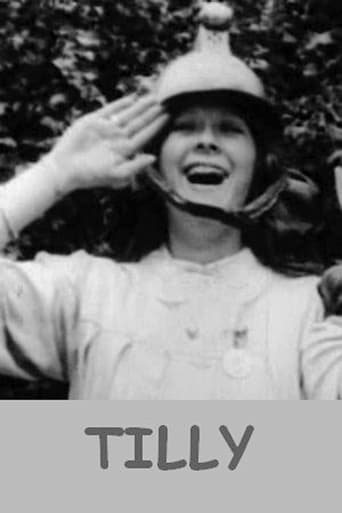

Chrissie White
Actor
- Born
- April 2, 1895, London, England, United Kingdom
- Died
- September 9, 1989
- Active
- 1911-1929
Films 2
About Chrissie White
Chrissie White was an English silent-film actress best remembered for her work in British cinema during the formative years of the 1910s and 1920s. Born in London, she began acting as a child and quickly became associated with the early star system that developed around short comedies, domestic dramas, and popular series productions in Britain. Her name appears in the credits of a number of films connected with the "Tilly" comedy/character cycle, including "Tilly and the Fire Engines" (1911) and "Tilly in a Boarding House" (1912), which places her among the recognizable performers of the pre-World War I film boom. She later became particularly important for her collaborations with director and producer Cecil M. Hepworth, appearing in a range of Hepworth productions that helped define British silent storytelling. White also worked alongside and was later married to actor/comedian Henry Edwards, with whom she formed one of the notable partnerships in early British film. Although not as internationally documented as some contemporaries, she remained a significant figure in the evolution of British screen acting from short-form novelty films toward more sustained dramatic features. Her career is remembered for its continuity across the silent era and for helping establish the visibility of British actresses in a period often dominated by American film histories.
More about Chrissie White
On screen
Chrissie White’s surviving screen reputation suggests a natural, adaptable silent-era style suited to both light comedy and domestic melodrama. Like many successful actresses of the period, her work relied on clear facial expression, economical gesture, and an approachable screen presence that read well in the absence of synchronized dialogue. She was especially effective in roles that required charm, innocence, or everyday emotional immediacy, qualities that made her a fit for the popular Hepworth productions of the era. Her performances likely emphasized readability and emotional clarity over theatrical excess, reflecting the gradual refinement of British screen acting in the 1910s and 1920s.
In film history
Chrissie White was part of the generation that helped make British silent cinema visible as a distinct national industry rather than merely an adjunct to imported American films. Her appearances in early series comedies and later in more polished Hepworth features show the development of screen performance in Britain from simple, fast-turnaround entertainment to a more sophisticated storytelling medium. As one of the familiar female faces of the 1910s British screen, she contributed to the emergence of the film actress as a marketable personality in the pre-Hollywood international sense. Her work also reflects the important role women played in silent cinema as audience draws, emotional anchors, and narrative centers, even when later film histories often overlooked them.
Later reputation
White’s lasting legacy lies in her place among the foundational performers of British silent film. Though many of her titles are now obscure or partially lost, her surviving credits document the growth of an actress who was active from the earliest period of narrative film production in Britain into the mature silent-feature era. She is remembered by film historians as part of the Hepworth circle and as a representative of the domestic and comedic traditions that shaped early British screen culture. Her career offers an important example of how women performers helped establish the language, tone, and commercial appeal of British cinema before the sound era. In historical terms, she stands as a useful and significant figure for understanding the evolution of British screen stardom.
Influence
Chrissie White influenced the perception of British women on screen by helping normalize the idea of the film actress as a relatable, recurring public presence. Her work in early series and feature productions contributed to performance conventions that later actresses could build on, particularly the blend of clarity, restraint, and emotional accessibility suited to silent storytelling. While she may not be cited as a major international trendsetter, her career is historically important within British film history and helped support the star-based model that became central to cinema marketing. She also influenced the broader legacy of Hepworth-era productions, which remain key reference points for scholars studying early British cinematic form.
Off screen
Chrissie White was born in London and came from the British silent-film world that often intertwined family, professional, and business relationships. She married actor and filmmaker Henry Edwards, and their partnership is one of the more notable marriages in early British cinema. Their union connected her to a broad network of stage and screen talent, and it also helped situate her within the film industry’s collaborative culture. Detailed information about children is not consistently documented in standard film references, and no widely cited public record of children is reliably associated with her in major film-history sources. She lived long past the silent era, dying in 1989, but remained primarily known for her early film work rather than a later public career.
Education
No reliable widely cited record of formal education is readily available in standard film references; she appears to have entered performance work at a young age through the British film industry rather than through a documented academic or conservatory path.
Credits
- Appeared in early British silent films at the beginning of the 1910s, including "Tilly and the Fire Engines" and "Tilly in a Boarding House"
- Became one of the recognizable faces in the work of Cecil M. Hepworth, a major early British filmmaker and production head
- Built a substantial silent-film career spanning comic shorts, domestic dramas, and feature-length productions
- Formed a prominent screen and personal partnership with actor-director Henry Edwards, a notable figure in British silent cinema
- Remained active through the 1920s, bridging the transition from the earliest film shorts to more mature silent feature production in Britain
Roles
- Tilly in "Tilly and the Fire Engines"
- Tilly in "Tilly in a Boarding House"
- Leading lady in Cecil M. Hepworth silent dramas
- Domestic and romantic heroines in British silent features
Films
- Tilly and the Fire Engines (1911)
- Tilly in a Boarding House (1912)
- The Heavenly Twins (1915)
- The Man Who Stayed at Home (1915)
- The Better Ole (1926)
Collaborators
- Cecil M. Hepworth
- Henry Edwards
- Alfred Collins
- British silent-era supporting casts associated with Hepworth productions
Studios
- Cecil M. Hepworth Productions
- Hepworth Manufacturing Company
Family
Notes
- She appears in some of the earliest surviving-era British film credits associated with the "Tilly" comedy cycle.
- Her screen career began when she was still a child or very young teenager, which was common in the early film industry.
- She was associated with Cecil M. Hepworth, one of the most important pioneers of British cinema.
- Her marriage to Henry Edwards connected two major silent-era British screen careers.
- She worked through a period when many films were short, rapidly produced, and often now lost or fragmentary.
- Her career helps illustrate how British film performers moved from short comic pieces to more ambitious features.
- She remained part of film history well into the sound era by virtue of her long life, though her peak activity was silent.
- She is often overshadowed in popular memory by better-documented American stars, despite her importance in British cinema history.
Questions
Who was Chrissie White?
Chrissie White was a British silent-film actress who began working in cinema in the early 1910s. She is especially remembered for appearing in early "Tilly" films and for her collaborations with Cecil M. Hepworth, one of the pioneers of British film.
What films is Chrissie White best known for?
She is best known for "Tilly and the Fire Engines" (1911) and "Tilly in a Boarding House" (1912), as well as later silent-era British films such as "The Heavenly Twins" (1915), "The Man Who Stayed at Home" (1915), and "The Better Ole" (1926).
When was Chrissie White born and when did she die?
Chrissie White was born on April 2, 1895, in London, England, United Kingdom. She died on September 9, 1989, having lived long after the silent era that made her career.
What awards did Chrissie White win?
No major awards or formal industry honors are prominently documented in standard references for Chrissie White. Her significance is primarily historical and cultural, based on her work in early British cinema rather than on later award recognition.
What was Chrissie White's acting style?
Her acting style was typical of the best silent-era performers: expressive, readable, and natural enough to connect with audiences without dialogue. She appears to have excelled in roles requiring charm, domestic emotion, and comic timing, especially in the early British film comedies and dramas she performed in.
What is Chrissie White's legacy in film history?
Chrissie White's legacy lies in her role as one of the early recognizable actresses of British silent cinema. She helped define the screen presence of the British film heroine during the industry's formative years and remains important to historians studying the Hepworth era and the development of early screen stardom.