
Cecil M. Hepworth
Actor & Director
Born: March 19, 1874 in London, England Died: February 9, 1953 Active: 1899-1926 Birth Name: Cecil Milton Hepworth
Films
5 films
About Cecil M. Hepworth
Cecil Milton Hepworth — British filmmaker who in establishing the British film industry during its formative years. He founded the Hepworth Manufacturing Company in 1899, which became one of Britain's most successful film production companies in the silent era, producing over 1,000 films during its 25 years of operation. Hepworth was not only a director and actor but also a cinematographer, producer, and inventor who made significant contributions to early film technology and narrative techniques. His 1905 film 'Rescued by Rover' was for its sophisticated editing and storytelling, influencing filmmakers worldwide and featuring one of cinema's first animal stars. Despite his early success and innovations, Hepworth's company went bankrupt in 1924 due to changing market conditions and American film dominance, forcing him to destroy most of his company's film negatives. He spent his later years writing influential books about cinema and working in various capacities within the film industry, leaving behind a legacy as one of British cinema's most important pioneers whose innovations helped establish the language of narrative film.
The Craft
On Screen
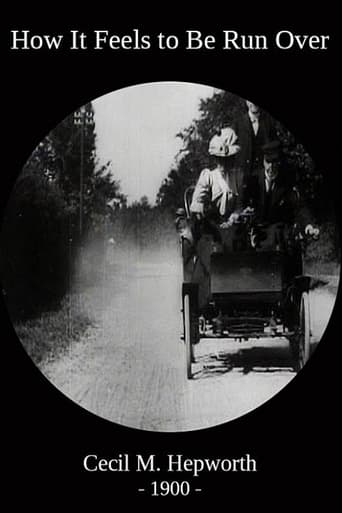
As an actor in early films, Hepworth appeared in many of his own productions, often taking leading roles or cameos. His acting style was typical of the early cinema era, employing exaggerated gestures and facial expressions to convey emotion and story without dialogue. In films like 'How It Feels to Be Run Over,' he demonstrated a natural talent for physical comedy and dramatic situations that translated well to the silent medium. Hepworth understood the visual nature of early cinema and adjusted his performance style accordingly, helping establish acting techniques appropriate for the new medium.
Behind the Camera
Hepworth was known for his innovative approach to narrative storytelling during cinema's formative years. He was among the first directors to effectively use continuity editing and cross-cutting to build suspense and emotional impact, techniques that would become standard in narrative cinema. His directing style emphasized clear, linear narratives that could be understood visually without dialogue, making his films accessible to international audiences. Hepworth often focused on domestic dramas and adventure stories with strong emotional cores, and he demonstrated particular skill in working with animal actors, as evidenced by the canine star of 'Rescued by Rover.' His technical innovations included effective use of close-ups and location shooting that added realism to his productions.
Milestones
- Founded Hepworth Manufacturing Company (1899)
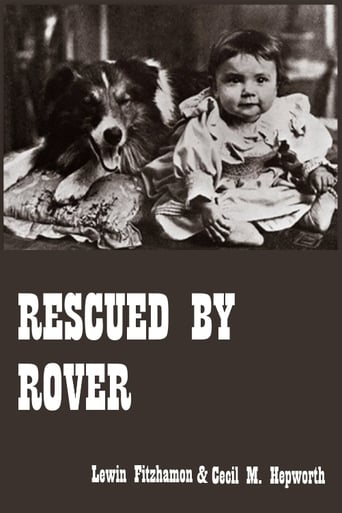
- Directed groundbreaking film 'Rescued by Rover' (1905)
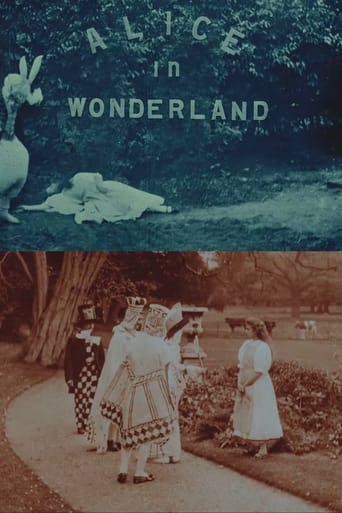
- Produced Britain's longest film at the time 'Alice in Wonderland' (1903)
- Pioneered early film editing techniques and continuity
- Invented several pieces of early film equipment
- Wrote influential books about cinema including 'Animated Photography' (1897)
- Established one of Britain's first purpose-built film studios
Best Known For
Iconic Roles
Must-See Films
Accolades
Won
- Posthumous recognition as a pioneer of British cinema by the British Film Institute
Nominated
- None - formal award systems did not exist during his peak career years
Special Recognition
- Historical recognition by British Film Institute
- Preservation of surviving films in national archives
- Academic recognition as a cinema pioneer
Working Relationships
Worked Often With
Studios
Why They Matter
Impact on Culture
Cecil Hepworth played a foundational role in establishing the British film industry during its formative years, creating one of the country's first successful film studios and training ground for future filmmakers. His studio in Walton-on-Thames became a model for film production facilities and helped establish London as a center of cinema. Hepworth's innovations in narrative structure, particularly his use of continuity editing in 'Rescued by Rover,' helped establish the visual language of cinema that would be refined by later directors. His films demonstrated the emotional power of visual storytelling and influenced filmmakers worldwide, while his technical innovations in equipment and production methods became industry standards. Hepworth also contributed to elevating cinema's cultural status through his writings and advocacy for film as an art form worthy of serious consideration.
Lasting Legacy
Hepworth's legacy as a pioneer of British cinema is increasingly recognized by film historians and preservationists who study his surviving films as important artifacts of early cinema history. His techniques in narrative storytelling and editing influenced generations of filmmakers who followed, while his studio's success helped establish the foundation for Britain's film industry. The films that survive, particularly 'Rescued by Rover,' are studied in film schools as examples of early cinematic innovation and storytelling. Though his name is not as widely known as some of his contemporaries, Hepworth's contributions to the development of cinema as an art form and industry are significant, and his influence can be seen in the work of countless filmmakers who built upon his innovations. The British Film Institute and other archives continue to preserve and restore his remaining works, ensuring his contributions to cinema history are not forgotten.
Who They Inspired
Hepworth influenced numerous early British filmmakers who got their start at his studio, including directors like Lewin Fitzhamon who would go on to make significant contributions to British cinema. His innovative editing techniques in 'Rescued by Rover' prefigured the continuity editing system that would become standard in narrative cinema worldwide. The commercial success of his films demonstrated the viability of British productions and inspired others to enter the industry, helping create a domestic film market. Hepworth's writings about cinema, including 'Animated Photography' and 'The Cameo of the King,' helped establish film as a serious art form worthy of critical attention and academic study. His technical innovations in camera equipment and production methods were adopted by other filmmakers and studios, advancing the technical capabilities of the medium as a whole.
Off Screen
Hepworth married Margaret Cave in 1897, who frequently acted in his films under the name Chrissie White, becoming one of Britain's first film stars. The couple had two children, including a son who also worked in the film industry, continuing the family's cinematic legacy. Despite his professional success and innovations, Hepworth faced significant financial difficulties later in life, particularly after the devastating bankruptcy of his studio in 1924, which forced him to destroy most of his company's film negatives. He spent his final years in relative obscurity, writing books about cinema and working in various capacities within the film industry, though his contributions to cinema history were eventually recognized by film historians and preservationists who restored and studied his surviving works.
Education
Largely self-taught in film technology and production; exposure to visual entertainment through his father's magic lantern shows
Family
- Margaret Cave (1897-1953)
Did You Know?
- His father was a famous magic lantern showman, exposing Cecil to visual entertainment from early childhood
- The dog in 'Rescued by Rover' was named Blair and became one of the first animal stars in cinema history
- His studio in Walton-on-Thames was one of the first purpose-built film studios in Britain
- He invented several pieces of early film equipment, including a special camera for underwater filming
- 'Alice in Wonderland' (1903) was the longest film produced in Britain at 12 minutes when released
- Hepworth was one of the first directors to use close-ups effectively in narrative films
- His company produced over 1,000 films during its 25 years of operation
- He was forced to destroy most of his company's film negatives when the studio went bankrupt in 1924
- His daughter, Margaret Hepworth-Lloyd, also worked as an actress in his films
- He wrote several influential books about cinema that helped establish film as an academic subject
In Their Own Words
The moving picture is not merely a novelty, but an art form with infinite possibilities for expression and education.
In cinema, as in life, the simplest stories often touch the heart most deeply.
We are but pioneers in this new medium, and future generations will build wonders upon the foundations we lay.
Frequently Asked Questions
Who was Cecil M. Hepworth?
British filmmaker, with credits in this catalog. He founded the Hepworth Manufacturing Company, which became one of Britain's most successful film production companies in the silent era, and made significant contributions to early film technology and narrative techniques that helped establish the language of cinema.
What films is Cecil M. Hepworth best known for?
Titles linked here include Rescued by Rover (1905), Alice in Wonderland (1903).
When was Cecil M. Hepworth born and when did he die?
Born March 19, 1874; died February 9, 1953.
What awards did Cecil M. Hepworth win?
During Hepworth's active career in the early 1900s, formal award systems like the Academy Awards did not exist, so he received no official accolades during his lifetime. However, he has been posthumously recognized by film historians and organizations like the British Film Institute as a crucial pioneer of British cinema whose innovations influenced the development of film as an art form.
What was Cecil M. Hepworth's directing style?
Hepworth's directing style was characterized by innovative narrative techniques and technical experimentation for his time. He was among the first directors to effectively use continuity editing and cross-cutting to build suspense and emotional impact. His films often focused on domestic dramas and adventure stories with clear, linear narratives that could be understood without dialogue, demonstrating his mastery of visual storytelling in the silent era.