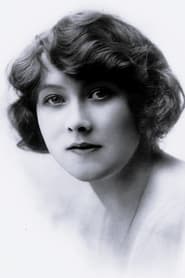
Alma Taylor
Actor
- Born
- June 3, 1895, Herne Hill, London, England, United Kingdom
- Died
- January 24, 1974
- Active
- 1911-1913
Films 3
About Alma Taylor
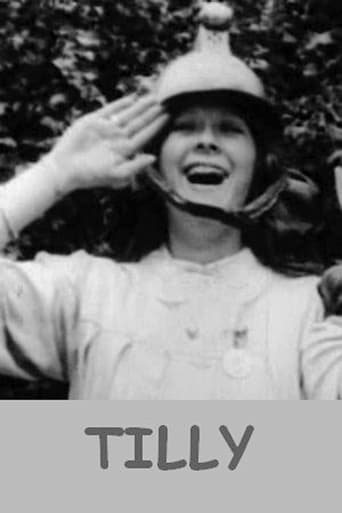
Alma Taylor was a British silent-film actress who became one of the most recognizable screen faces of the early 1910s in the United Kingdom. Born in London, she entered motion pictures while still very young and quickly became associated with the film output of the Hepworth company, one of the key British studios of the period. Taylor was especially prominent in the popular "Tilly" comedies, in which she played a spirited, mischievous young woman whose cheerful energy and expressive reactions made her a favorite with audiences. Her early screen work also included literary and dramatic material, showing that she was not limited to light comedy, and she appeared in adaptations such as David Copperfield during the formative years of narrative cinema. She was one of the leading British actresses of the pre-World War I era, helping define the image of the youthful, modern screen heroine in silent film. Her career belongs chiefly to the short-film and one-reel era, when performers had to communicate character through gesture, timing, and expressive facial work rather than dialogue. Although her filmography is concentrated in the early 1910s, her popularity and visibility made her an important figure in British film history and an early example of a star created by the developing studio system.
More about Alma Taylor
On screen
Alma Taylor's acting style was shaped by the demands of silent cinema, emphasizing expressive face work, clear physical comedy, and readable emotional gestures. In the "Tilly" films, she projected a lively, mischievous, and engaging presence that depended on timing and body language rather than broad exaggeration. Her screen persona suggested youthful independence and comic wit, and she was effective in roles that required charm, curiosity, and quick reactions. In more literary material, her style would have relied on the restrained but legible emotional expressiveness typical of early 1910s dramatic performance.
In film history
Alma Taylor was part of the generation of performers who helped establish the British screen star system in the years before feature-length cinema became dominant. Through the "Tilly" films, she contributed to the creation of an early recurring character type: energetic, modern, and comic, yet still recognizably human and approachable. Her work helped show that British cinema could produce its own popular personalities rather than relying solely on stage-derived prestige or imported models. She is also historically significant because her films document the transition from very short-form storytelling to more developed narrative cinema and star-driven promotion.
Later reputation
Taylor's lasting legacy lies in her status as one of the early faces of British silent film, especially in comedy. She is remembered by film historians as a major Hepworth star and as a performer who helped define the appeal of the pre-war British screen heroine. Her surviving reputation rests on the importance of her filmography to early cinema history rather than on an extensive body of preserved feature films, since many early works have not survived or are not widely circulated. For scholars of silent film, she remains an important example of how early film actresses helped shape audience expectations of performance, character, and celebrity.
Influence
Alma Taylor influenced the development of screen comedy in Britain by demonstrating how a recurring film persona could build audience loyalty across multiple shorts. Her performance approach, which balanced expressive clarity with charm and light comic timing, helped set a template for later silent-era actresses in both comedy and domestic drama. While her direct influence on named later performers is not commonly documented, her role in the evolution of British stardom and serial comic characterization is significant. She stands as part of the foundation on which later British screen acting styles and star marketing were built.
Off screen
Alma Taylor was born in London and later became one of the notable names associated with early British cinema. Detailed information about her private life is relatively limited in standard film histories compared with later stars, and much of her public legacy centers on her work in silent films rather than on a heavily documented off-screen life. She is known to have lived well beyond the silent era, but surviving reference sources emphasize her professional importance more than marriage, family, or domestic biography. Because of the scarcity of widely published personal details, her personal life remains less documented than her screen career.
Education
Specific formal education details are not widely documented in readily available classic-cinema references.
Credits
- Became one of the best-known British silent-film actresses of the early 1910s
- Starred in the popular Hepworth "Tilly" comedy series, including Tilly and the Fire Engines and Tilly in a Boarding House
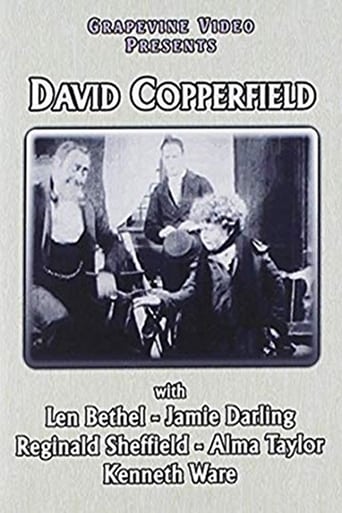
- Appeared in a screen adaptation of Charles Dickens's David Copperfield during the silent era
- Represented the youthful, lively screen persona that helped popularize British film comedy before World War I
- Worked during a crucial formative moment for narrative cinema when acting style and screen characterization were still being defined
Roles
- Tilly in the "Tilly" comedy series
- A featured role in David Copperfield
Collaborators
- C. Hepworth
- Hepworth studio performers and filmmakers associated with early British comedy and drama
Studios
- Hepworth Manufacturing Company
- Hepworth Picture Plays
Notes
- She is associated with the popular early-1910s "Tilly" series, which made her one of the first recognizably recurring female screen characters in British cinema.
- Her career is concentrated in the silent era, when films were often only a reel long and acting had to be communicated visually and economically.
- She worked for the influential Hepworth studio, a major name in early British filmmaking.
- Alma Taylor is sometimes overlooked in general film histories despite being a major star of her time, because many early British films are lost or less widely available today.
- Her screen persona helped bridge comic and dramatic material, which was valuable during a period when the language of film acting was still evolving.
- She appeared in a Dickens adaptation, showing that early British cinema used established literary works to lend cultural prestige to film.
- Her career provides an important snapshot of pre-World War I British screen celebrity.
- Film historians regard her as one of the key female faces of the Hepworth era.
Questions
Who was Alma Taylor?
Alma Taylor was a British silent-film actress who became one of the best-known screen personalities of the early 1910s. She is especially remembered for her work in the Hepworth studio's "Tilly" comedy films and for being an important early female star in British cinema.
What films is Alma Taylor best known for?
She is best known for Tilly and the Fire Engines, Tilly in a Boarding House, and David Copperfield. Her fame also rests on her association with the broader "Tilly" series of early comic shorts.
When was Alma Taylor born and when did she die?
Alma Taylor was born on June 3, 1895, in Herne Hill, London, England. She died on January 24, 1974.
What awards did Alma Taylor win?
No major awards or formal nominations are widely documented for Alma Taylor in the standard historical record. Her recognition comes primarily from her status as an early British film star and from her importance in silent-cinema history.
What was Alma Taylor's acting style?
Her acting style was characteristic of silent-era performance, relying on expressive gestures, clear physical comedy, and strongly readable facial expressions. In comedy shorts, she projected warmth, mischief, and lively timing, while in dramatic work she used more restrained but still legible emotion.
Why is Alma Taylor important in film history?
She is important because she was one of the early stars who helped build British cinema's public appeal before World War I. Her recurring role in the "Tilly" films helped establish the value of a recognizable screen persona in the silent era.