
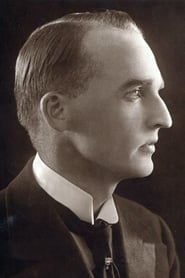
Halvard Hoff
Actor
Born: October 23, 1884 in Oslo, Norway Died: March 4, 1961 Active: 1919-1921
Films
2 films
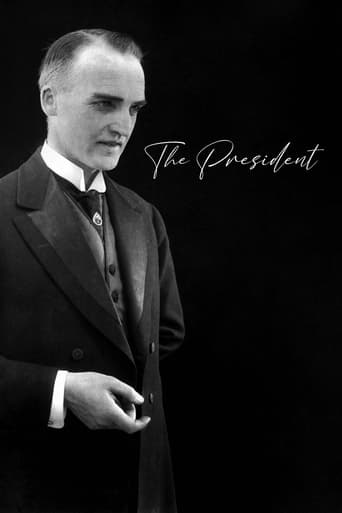
About Halvard Hoff
Made his mark in the golden age of Scandinavian silent cinema during the early 1920s. His most significant work came through his collaboration with renowned Danish director Carl Theodor Dreyer, appearing in two of the director's early masterpieces. Hoff's performance in 'The President' (1919) showcased his ability to convey complex emotions through the silent medium, while his role in 'Leaves from Satan's Book' (1921) demonstrated his versatility across different historical periods and character types. Though his film career was relatively brief, spanning primarily from 1919 to 1921, Hoff contributed to the development of Nordic cinema during its formative years. His work with Dreyer placed him among the actors who helped establish the reputation of Scandinavian films on the international stage. Following his brief but notable film career, Hoff appears to have retreated from the spotlight, leaving behind a small but significant body of work that continues to be studied by film historians interested in early Nordic cinema.
The Craft
On Screen
Halvard Hoff embodied the dramatic, expressive style typical of silent era actors, using exaggerated gestures and facial expressions to convey emotion without dialogue. His performances were characterized by a theatrical intensity that translated well to the screen, particularly in period pieces. Hoff demonstrated remarkable versatility, able to portray both contemporary and historical characters with equal conviction. His work with Dreyer suggests he possessed the ability to convey subtle psychological depth, a trait valued by the meticulous director.
Milestones
- Starred in Carl Theodor Dreyer's directorial debut 'The President' (1919)
- Appeared in the ambitious historical epic 'Leaves from Satan's Book' (1921)
- Contributed to the golden age of Scandinavian silent cinema
- Worked with one of Denmark's most celebrated directors during his formative years
Best Known For
Iconic Roles
Must-See Films
Accolades
Special Recognition
- Recognized as an important figure in early Norwegian cinema by film historians
- His films are preserved and studied as examples of Scandinavian silent cinema
Working Relationships
Worked Often With
Studios
Why They Matter
Impact on Culture
Halvard Hoff's contribution to cinema, though brief, represents an important chapter in the development of Scandinavian film during its silent era golden age. His work with Carl Theodor Dreyer placed him at the forefront of Nordic cinema's artistic emergence, helping establish the reputation of Scandinavian films for their artistic merit and technical sophistication. Hoff's performances in Dreyer's early works are now studied by film scholars as examples of the acting styles that characterized Nordic silent cinema, which differed from both Hollywood and continental European approaches. His portrayal of complex characters in these films contributed to the international recognition of Scandinavian cinema as a serious artistic medium.
Lasting Legacy
Halvard Hoff's legacy endures primarily through his surviving performances in two of Carl Theodor Dreyer's most significant early films. These works are regularly screened at film festivals and cinematheques dedicated to silent cinema, ensuring that Hoff's contributions continue to be appreciated by new generations of film enthusiasts. His performances serve as valuable documentation of acting techniques in Scandinavian silent cinema and provide insight into the collaborative relationship between actors and directors during this formative period. Film historians and preservationists continue to recognize the importance of actors like Hoff in building the foundation of what would become one of Europe's most respected film traditions.
Who They Inspired
While Halvard Hoff's direct influence on subsequent generations of actors is difficult to trace due to his brief career and limited filmography, his work with Dreyer contributed to the establishment of acting standards in Scandinavian cinema. The performances he delivered in Dreyer's films helped demonstrate how psychological depth could be achieved through silent acting techniques, influencing subsequent approaches to screen acting in Nordic countries. His collaboration with a director who would become one of cinema's most important auteurs places him within an influential lineage of artists who shaped the development of film as an art form.
Off Screen
Halvard Hoff was born in Oslo, Norway, and appears to have maintained a relatively private life outside of his brief film career. After his stint in cinema, he seemingly returned to Norway and lived away from the public eye. Details about his personal relationships, family life, and later years are scarce in historical records, which was not uncommon for character actors of the silent era who did not achieve major stardom. His death in 1961 at the age of 76 marked the passing of one of the early contributors to Scandinavian cinema.
Education
Family
- Information not available in historical records
Did You Know?
- Halvard Hoff worked with Carl Theodor Dreyer during the director's formative years before Dreyer became internationally renowned
- His film 'Leaves from Satan's Book' (1921) was an ambitious historical epic spanning multiple time periods
- The President (1919) was Carl Theodor Dreyer's directorial debut, making Hoff one of the first actors to work with the director
- Both films Hoff appeared in are now considered important works in the history of Scandinavian cinema
- Despite his significant roles, Hoff's film career lasted only about two years
- His portrayal of Judas Iscariot in 'Leaves from Satan's Book' was part of Dreyer's innovative approach to biblical storytelling
- Hoff was Norwegian but worked primarily in Danish cinema, reflecting the collaborative nature of early Scandinavian film production
- His films survive today and are occasionally screened at international silent film festivals
- The limited information about his later life suggests he may have returned to Norway and lived away from the film industry
- His work represents the international nature of early European cinema, where actors often worked across national boundaries
In Their Own Words
Information not available in historical records
Frequently Asked Questions
Who was Halvard Hoff?
Norwegian actor who worked in Scandinavian silent cinema during the early 1920s, best known for his collaborations with renowned Danish on YTB.my.
What films is Halvard Hoff best known for?
Titles linked here include The President (1919), Leaves from Satan's Book (1921).
When was Halvard Hoff born and when did he die?
Born October 23, 1884; died March 4, 1961.
What awards did Halvard Hoff win?
There are no recorded awards or nominations for Halvard Hoff, which was not uncommon for character actors in the silent era, especially those working outside the Hollywood system.
What was Halvard Hoff's acting style?
Hoff employed the dramatic, expressive style typical of silent era actors, using exaggerated gestures and facial expressions to convey emotion without dialogue, while demonstrating the ability to portray complex psychological depth in his roles.