
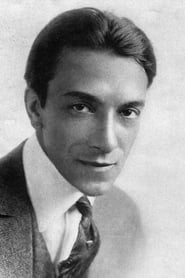
Pedro de Cordoba
Actor
Born: September 28, 1881 in New York City, New York, USA Died: September 16, 1950 Active: 1915-1950
Films
2 films
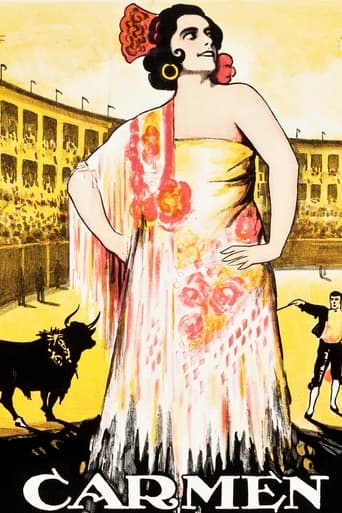
About Pedro de Cordoba
Character actor: from the silent era through the Golden Age of Hollywood, beginning with his film debut in Cecil B. DeMille's Carmen (1915). Born in New York City to Cuban parents, he first gained prominence as a Shakespearean stage actor before transitioning to cinema, where his aristocratic bearing and refined demeanor made him ideal for playing noblemen, scholars, and foreign dignitaries. Throughout the 1920s, he appeared in numerous silent films, including the lavish historical drama When Knighthood Was in Flower (1922) opposite Marion Davies, establishing himself as a reliable supporting actor in major productions. Unlike many silent film stars, de Cordoba successfully transitioned to talkies, his theatrical training and clear diction serving him well in the new medium. He continued working steadily through the 1930s and 1940s, often cast as priests, doctors, professors, and other authority figures in films such as The Story of Louis Pasteur (1936) and The Keys of the Kingdom (1944). His final film appearance was in 1950, just months before his death, capping a remarkable 35-year career in which he appeared in over 100 films. De Cordoba was respected for his professionalism and versatility, becoming one of Hollywood's most recognizable character actors of his generation.
The Craft
On Screen
Pedro de Cordoba was known for his dignified, refined acting style characterized by precise diction, aristocratic bearing, and a commanding presence. His theatrical background brought a classical technique to his film performances, with carefully controlled gestures and a distinctive, measured delivery. He excelled at portraying intellectual and aristocratic characters, bringing authenticity to roles of scholars, priests, doctors, and foreign nobility. His ability to convey authority and wisdom through subtle facial expressions and restrained movement made him particularly effective in supporting roles that required gravitas. In talkies, his clear, resonant voice and slight accent added authenticity to his frequent casting as characters of European or Latin American origin.
Milestones
- Film debut in Cecil B. DeMille's Carmen (1915)
- Co-starred with Marion Davies in When Knighthood Was in Flower (1922)
- Successful transition from silent films to talkies
- Appeared in over 100 films during his 35-year career
- Played supporting roles in major studio productions through the 1940s
- Renowned Shakespearean stage actor before entering films
Best Known For
Iconic Roles
Must-See Films
Accolades
Special Recognition
- Recognized as one of Hollywood's most reliable character actors
- Honored for his contributions to both stage and screen acting
Working Relationships
Worked Often With
Studios
Why They Matter
Impact on Culture
Pedro de Cordoba played a significant role in Hollywood's representation of educated, sophisticated characters during the early decades of American cinema. As one of the few actors of Hispanic heritage working consistently in mainstream Hollywood during this period, he helped pave the way for greater diversity in casting, though he was often typecast in European rather than specifically Hispanic roles. His successful transition from silent films to talkies demonstrated the importance of classical theatrical training in the new sound era, influencing how studios approached casting for the transition period. His portrayals of intellectuals and authority figures helped establish archetypes that would be replicated in films for decades, contributing to the visual language of cinema's representation of wisdom and authority.
Lasting Legacy
Pedro de Cordoba's legacy endures through his extensive body of work that spans the crucial transition period from silent films to sound cinema. He represents the bridge between theatrical tradition and cinematic naturalism, bringing classical technique to the medium of film. His career demonstrates the importance of character actors in creating the classic Hollywood films, providing the essential supporting performances that elevated leading actors and anchored productions in authenticity. Film historians and classic cinema enthusiasts continue to appreciate his contributions to films like Carmen and When Knighthood Was in Flower, which represent important milestones in early American cinema. His ability to maintain a steady career through multiple decades of changing cinematic styles shows his adaptability and professional excellence.
Who They Inspired
De Cordoba influenced subsequent generations of character actors through his demonstration of how theatrical training could enhance film performances, particularly in the transition to sound. His success in portraying educated, authoritative roles helped establish a template for character actors specializing in similar parts. Younger actors, particularly those of Hispanic heritage, benefited from the precedent he set for maintaining a career in mainstream Hollywood. His professional approach and dedication to craft served as a model for supporting players in the studio system, emphasizing the importance of reliability and versatility in building a lasting career.
Off Screen
Pedro de Cordoba was known for his private, dignified personal life that mirrored his on-screen persona. He never married and devoted himself entirely to his craft, maintaining close friendships within the theatrical and film communities. Despite his Cuban heritage and frequent casting in ethnic roles, he was thoroughly Americanized, having been born and raised in New York. He was known for his intellectual pursuits outside of acting, including literature and classical music, which complemented his refined screen image. Colleagues remembered him as a consummate professional who was generous with advice to younger actors and deeply respected for his theatrical knowledge and experience.
Education
Educated in New York City schools; received extensive theatrical training through apprenticeships in stock theater and Shakespearean companies
Did You Know?
- Born to Cuban parents but was a lifelong New Yorker
- Spoke multiple languages fluently, which enhanced his casting in international roles
- Began his career as a Shakespearean actor on Broadway before entering films
- Was one of the few silent film actors who successfully transitioned to talkies without difficulty
- Never married, dedicating his life entirely to his acting career
- Appeared in over 100 films during his 35-year career
- Often played priests, doctors, and professors due to his dignified appearance and manner
- Worked with virtually every major studio during his career
- Was known for his meticulous preparation for every role, no matter how small
- His final film appearance was just months before his death in 1950
In Their Own Words
The theater teaches you discipline, and film needs that discipline more than anything.
In the silent days, your face had to say everything. In the talkies, your voice must match what your face says.
Being a character actor is like being a good servant - you make the star look better while doing your own work perfectly.
Frequently Asked Questions
Who was Pedro de Cordoba?
American character with credits in this catalog. He began as a Shakespearean stage actor before transitioning to films, where he became known for portraying aristocratic, intellectual, and authoritative figures in both silent and sound films.
What films is Pedro de Cordoba best known for?
Titles linked here include Carmen (1915), When Knighthood Was in Flower (1922).
When was Pedro de Cordoba born and when did he die?
Born September 28, 1881; died September 16, 1950.
What awards did Pedro de Cordoba win?
Despite his long and respected career, Pedro de Cordoba did not receive major formal awards or Academy Award nominations. However, he was widely recognized within the industry as one of Hollywood's most reliable and professional character actors.
What was Pedro de Cordoba's acting style?
De Cordoba's acting style was characterized by classical theatrical technique, precise diction, and dignified restraint. He brought a Shakespearean gravitas to his film performances, excelling at portraying educated, aristocratic characters through subtle facial expressions and measured movements rather than broad gestures.