
Hal Skelly
Actor
Born: May 31, 1891 in Allegheny, Pennsylvania, USA Died: June 16, 1934 Active: 1910s-1934 (Film: 1929-1929) Birth Name: Harold Eugene Skelly
Films
4 films
About Hal Skelly
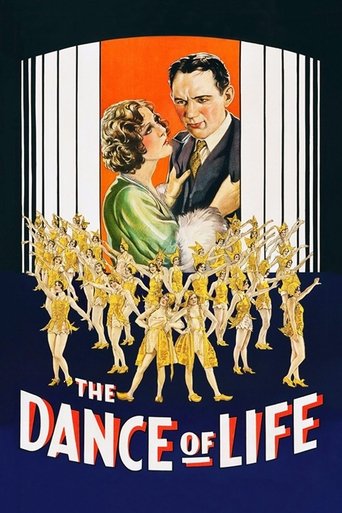
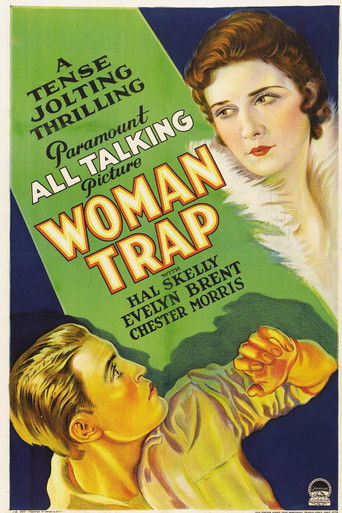
Hal Skelly, born Harold Eugene Skelly, began his entertainment career as a vaudeville performer and comedian, honing his craft on the stage before transitioning to Broadway productions. His theatrical background made him an ideal candidate for early sound films, as his voice training and stage presence were already well-developed. In 1929, Paramount Pictures signed him to a contract, launching his brief but notable film career during the pivotal transition from silent to sound cinema. His most significant role came in 'The Dance of Life' (1929), where he played a vaudeville performer struggling with fame and personal relationships, a role that drew upon his real-life experiences. He followed this success with 'Woman Trap' (1929), showcasing his versatility as both a dramatic actor and comedian. Unfortunately, his promising film career was cut short by personal struggles, including alcoholism and health issues, leading to his early death at age 43. Despite his brief time in Hollywood, Skelly's work represents an important example of stage actors successfully transitioning to the new medium of sound cinema.
The Craft
On Screen
Skelly's acting style was rooted in his vaudeville and theatrical background, characterized by expressive physical comedy, strong vocal projection, and the ability to seamlessly blend humor with dramatic moments. His stage training gave him a natural advantage in early sound films, where many silent film actors struggled with voice work. He possessed a charismatic presence that translated well to the camera, combining the broad gestures of vaudeville with the more intimate requirements of film acting.
Milestones
- Successful vaudeville career in the 1910s and 1920s
- Broadway stage performances before films
- Starred in Paramount's early sound film 'The Dance of Life' (1929)
- Follow-up success with 'Woman Trap' (1929)
- One of the first stage performers to successfully transition to sound films
Best Known For
Iconic Roles
Must-See Films
Working Relationships
Worked Often With
Studios
Why They Matter
Impact on Culture
Hal Skelly represents an important transitional figure in cinema history, exemplifying the successful migration of vaudeville and Broadway talent to early sound films. His work in 'The Dance of Life' helped demonstrate that stage performers could successfully adapt their skills to the new medium of sound cinema, influencing Hollywood's casting decisions during this crucial period. Skelly's performances showcased how theatrical training could be effectively translated to film, helping bridge the gap between stage and screen acting techniques during the early sound era.
Lasting Legacy
Though his film career was brief, Hal Skelly's legacy endures as an example of the many talented performers who helped shape early sound cinema. His work in 1929's transitional films serves as an important historical record of how entertainment evolved from stage to screen. Skelly's story also serves as a cautionary tale about the pressures and pitfalls of early Hollywood fame, illustrating how personal struggles could cut short promising careers. His films remain valuable artifacts for scholars studying the transition from silent to sound cinema and the adaptation of theatrical performance styles to the new medium.
Who They Inspired
Skelly influenced subsequent performers by demonstrating that vaudeville and Broadway skills could be successfully adapted to sound films. His natural vocal delivery and stage-honed presence provided a template for other stage actors considering film careers. While his direct influence was limited by his short career, his work contributed to the broader understanding of how theatrical techniques could be modified for cinema, influencing the development of film acting styles in the early sound era.
Off Screen
Hal Skelly's personal life was marked by both professional success and personal struggles. He married multiple times, including marriages to actress Dorothy Revier and Eleanor Hunt. His battle with alcoholism significantly impacted both his career and personal relationships. Despite his rising fame in 1929, his drinking problems led to professional difficulties and contributed to his declining health. He had children from his marriages, though their lives remained largely private. Skelly's early death at 43 was attributed to complications from his lifestyle and health issues.
Education
Limited formal education, primarily trained through vaudeville circuit experience and stage performance
Family
- Dorothy Revier (1927-1928)
- Eleanor Hunt (1930-1934)
Did You Know?
- Began his career as a circus performer before moving to vaudeville
- Was part of the popular vaudeville duo 'Skelly and Howard' early in his career
- 'The Dance of Life' was based on the Broadway play 'Burlesque' in which Skelly had also performed
- His film career lasted only one year but produced two notable films
- Was one of the first stage actors to successfully transition to sound films
- His alcoholism began affecting his career almost immediately after his film success
- Died penniless in a hotel room at age 43
- His second wife, Eleanor Hunt, was also an actress who appeared in several films
- Paramount had high hopes for him as a major star before his personal problems intervened
- His story is often cited as an example of the darker side of early Hollywood fame
In Their Own Words
The stage taught me everything I know about timing and connecting with an audience. Film just required learning to scale it down for the camera.
In vaudeville, you have three minutes to make them laugh or cry. In pictures, you have a whole reel, but the pressure's the same.
Frequently Asked Questions
Who was Hal Skelly?
American with credits in this catalog. He is best known for his roles in 'The Dance of Life' and 'Woman Trap,' both released in 1929, before his career was cut short by personal struggles and early death.
What films is Hal Skelly best known for?
Titles linked here include The Dance of Life (1929), Woman Trap (1929).
When was Hal Skelly born and when did he die?
Born May 31, 1891; died June 16, 1934.
What awards did Hal Skelly win?
Hal Skelly did not receive any major formal awards or nominations during his brief film career. His recognition came primarily from critical praise for his performances in his two 1929 films and his successful transition from stage to screen acting.
What was Hal Skelly's acting style?
Skelly's acting style was rooted in his vaudeville and theatrical background, featuring strong vocal projection, expressive physical comedy, and the ability to blend humor with drama. His stage training gave him a natural advantage in early sound films, where his voice and performance skills were already well-developed.
Why was Hal Skelly's film career so short?
Hal Skelly's film career lasted only one year (1929) due to severe personal struggles, particularly alcoholism, which affected his reliability and professional relationships. Despite showing promise in his two films, his drinking problems and declining health led to the premature end of his Hollywood career.
How did Hal Skelly influence early sound cinema?
Skelly influenced early sound cinema by demonstrating that vaudeville and Broadway performers could successfully adapt their skills to film. His work helped establish that theatrical training could be effectively modified for the camera, influencing Hollywood's casting decisions during the crucial transition from silent to sound films.