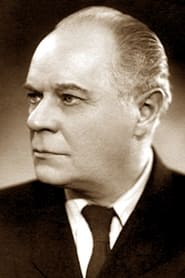
Konstantin Skorobogatov
Actor
Born: December 17, 1887 in Saint Petersburg, Russian Empire Died: November 28, 1953 Active: 1928-1953 Birth Name: Konstantin Vladimirovich Skorobogatov
Films
6 films
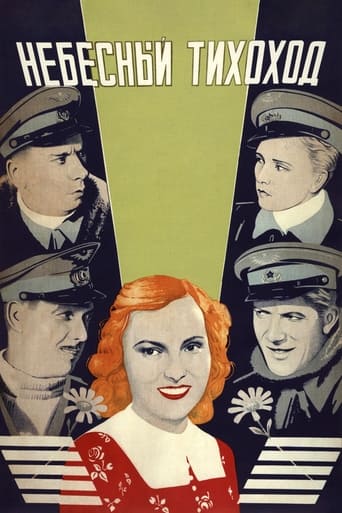
About Konstantin Skorobogatov
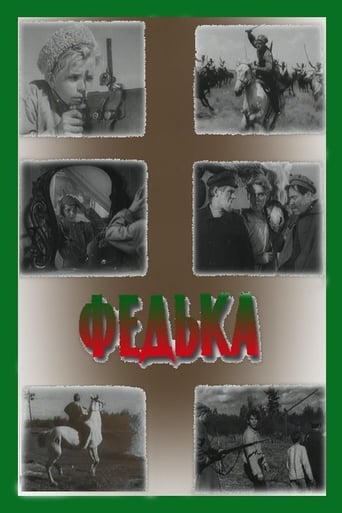
Konstantin Vladimirovich Skorobogatov — Soviet actor whose nearly three decades of Soviet cinema's most formative years. Born in 1887 in Saint Petersburg, he began his artistic journey in theater before transitioning to film during the early sound era. Skorobogatov became particularly known for his portrayals of historical figures and common people in Soviet society, often bringing depth and authenticity to roles that reflected socialist ideals. His breakthrough came with his performance in 'Fedka' (1936), which established him as a reliable character actor in the Soviet film industry. Throughout his career, he worked with prominent Soviet directors and appeared in numerous films that celebrated Soviet history and achievements. Skorobogatov's performances were characterized by their naturalistic approach and ability to embody both ordinary citizens and historical figures with equal conviction. His final years saw him continue acting until his death in 1953, leaving behind a legacy of over 50 film performances that captured the essence of Soviet life and values.
The Craft
On Screen
Skorobogatov was known for his naturalistic and understated acting style, which contrasted with the more theatrical performances common in early Soviet cinema. He brought a quiet dignity and authenticity to his roles, whether playing historical figures or ordinary Soviet citizens. His technique emphasized subtle emotional expression and realistic character development, making his characters relatable despite the ideological contexts of his films. Skorobogatov had a particular talent for conveying complex emotions through minimal gestures and facial expressions, a skill that served him well in both dramatic and historical roles.
Best Known For
Iconic Roles
Must-See Films
Accolades
Won
- Honored Artist of the RSFSR (1939)
- Stalin Prize (1941)
- Order of the Red Banner of Labour (1947)
- Order of the Badge of Honour (1950)
Special Recognition
- Honored Artist of the RSFSR
- Stalin Prize recipient
- Multiple state orders for contributions to Soviet cinema
Working Relationships
Worked Often With
Studios
Why They Matter
Impact on Culture
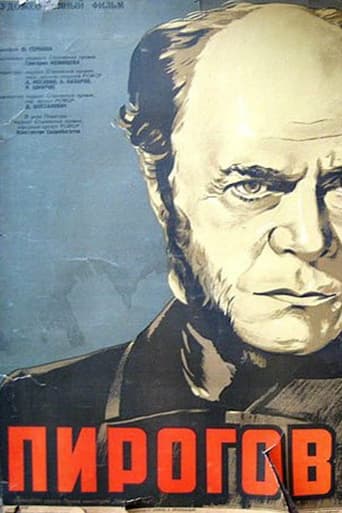
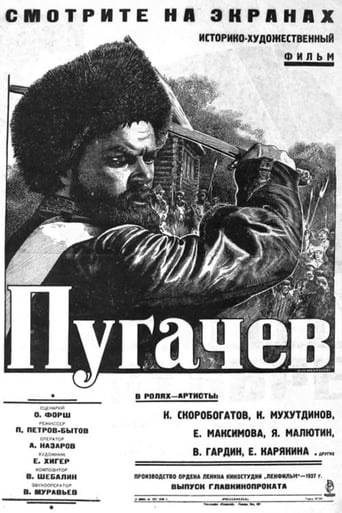
Konstantin Skorobogatov played a significant role in shaping Soviet cinema's approach to realistic acting during the Stalin era. His performances helped establish a more naturalistic style that moved away from the exaggerated theatricality of early Soviet films. Through his portrayals of both historical figures and ordinary citizens, Skorobogatov contributed to the creation of a Soviet cinematic identity that balanced ideological requirements with artistic authenticity. His work in historical epics like 'Pugachev' and biographical films like 'Pirogov' helped define the genre of Soviet historical cinema, influencing how historical narratives were presented on screen for decades to come.
Lasting Legacy
Skorobogatov's legacy endures through his extensive filmography, which serves as a valuable document of Soviet cinema's development during a crucial period. His naturalistic acting style influenced subsequent generations of Soviet actors, helping to establish a more realistic approach to film performance. The films he appeared in, particularly 'Pirogov' and 'Pugachev', remain important examples of Soviet historical cinema and are studied by film scholars interested in the intersection of art and ideology. Skorobogatov is remembered as a versatile character actor who brought depth and humanity to roles that could have easily become mere propaganda vehicles.
Who They Inspired
Skorobogatov influenced Soviet cinema by demonstrating how actors could maintain artistic integrity while working within the constraints of the Soviet system. His naturalistic approach to performance inspired younger actors to seek authenticity in their portrayals, even when working on ideologically charged projects. His success in both historical and contemporary roles showed the value of versatility in an actor's career, encouraging others to develop a broad range of characters. The techniques he developed for conveying complex emotions subtly became part of the toolkit for Soviet actors working in realist traditions.
Off Screen
Skorobogatov led a relatively private life focused on his craft, though he was known to be deeply committed to the Soviet artistic community. He married fellow actress Maria Skorobogatova in the 1920s, and they had two children together. His family life was marked by the challenges of living through the Stalin era, including the pressures faced by artists in Soviet society. Despite these difficulties, Skorobogatov maintained a reputation for professionalism and dedication to his art throughout his career.
Education
Graduated from Saint Petersburg Imperial Theatrical School (1915)
Family
- Maria Skorobogatova (1925-1953)
Did You Know?
- Was one of the few actors who successfully transitioned from silent films to sound cinema in the Soviet Union
- His performance in 'Pirogov' was praised by Soviet critics for its historical accuracy and emotional depth
- Skorobogatov was known for his meticulous preparation for historical roles, often spending months researching his characters
- He survived the Great Purge of the 1930s, a period when many Soviet artists were persecuted
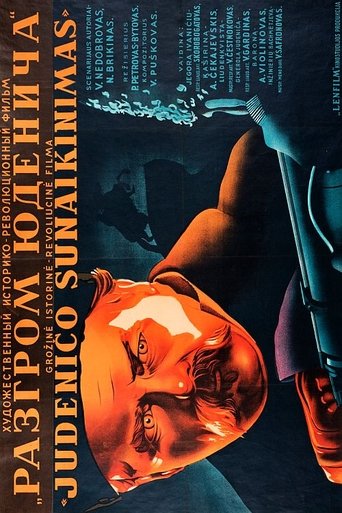
- His film 'Defeat of Yudenich' (1940) was one of the first Soviet films to depict the Russian Civil War from a Red Army perspective
- Skorobogatov — member of the Communist Party, which was unusual for artists of his generation
- He continued acting even after being diagnosed with a serious illness in his final years
- His death in 1953 coincided with Stalin's death, marking the end of an era in Soviet cinema
- Many of his films were restored and re-released during the Khrushchev Thaw
- Skorobogatov's grandson, Dmitry Skorobogatov, became a prominent theater director in modern Russia
In Their Own Words
The actor's task is not to play a character, but to become the character - to live their life, breathe their air, and speak their truth
In Soviet cinema, we don't just entertain - we educate and inspire. Every role carries responsibility
Historical films are not just about the past - they are about what the past teaches us about our present and future
The greatest challenge for an actor is to find the humanity in every character, even those who history has judged harshly
Frequently Asked Questions
Who was Konstantin Skorobogatov?
Prominent Soviet with credits in this catalog. He appeared in over 50 films and was awarded the title of Honored Artist of the RSFSR for his contributions to Soviet arts.
What films is Konstantin Skorobogatov best known for?
When was Konstantin Skorobogatov born and when did he die?
Born December 17, 1887; died November 28, 1953.
What awards did Konstantin Skorobogatov win?
Skorobogatov received several prestigious awards including the title of Honored Artist of the RSFSR in 1939, the Stalin Prize in 1941, the Order of the Red Banner of Labour in 1947, and the Order of the Badge of Honour in 1950 for his contributions to Soviet cinema.
What was Konstantin Skorobogatov's acting style?
Skorobogatov was known for his naturalistic and understated acting style, which emphasized subtle emotional expression and realistic character development. He brought authenticity to both historical figures and ordinary citizens, using minimal gestures and facial expressions to convey complex emotions.