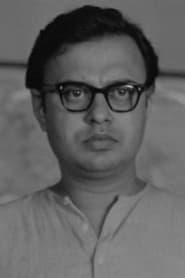
Anil Chatterjee
Actor
Born: October 7, 1929 in Calcutta, Bengal Presidency, British India (now Kolkata, West Bengal, India) Died: March 21, 1996 Active: 1959-1995
Films
4 films

About Anil Chatterjee
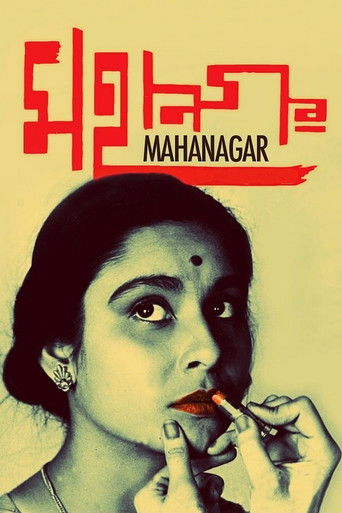
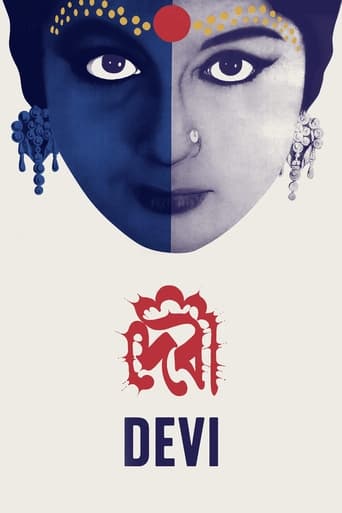
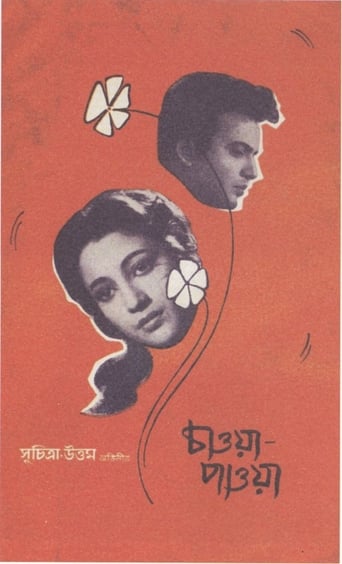
Bengali actor who rose to prominence during the golden age of Indian cinema in the late 1950s and early 1960s. Born in Calcutta in 1929, he began his acting career in theater before transitioning to films, where he quickly established himself as a versatile character actor. His breakthrough came with his role in 'Chaowa Pawa' (1959), which led to his discovery by filmmaker Satyajit Ray. Chatterjee became one of Ray's most trusted collaborators, appearing in several of the director's most acclaimed works including 'Devi' (1960), 'Teen Kanya' (1961), and 'Mahanagar' (1963). His performances were characterized by their subtlety, naturalism, and deep emotional resonance, making him a favorite among art house cinema audiences. Throughout his career, he appeared in over 100 films, working with other prominent directors like Mrinal Sen and Tapan Sinha. Despite his success in parallel cinema, Chatterjee also appeared in mainstream Bengali films, demonstrating his remarkable range as an actor. His contributions to Indian cinema, particularly Bengali cinema, have been recognized as instrumental in shaping the narrative style of art house films during this pivotal period.
The Craft
On Screen
Anil Chatterjee was known for his naturalistic and understated acting style, which perfectly complemented the realist aesthetic of parallel cinema. He possessed the remarkable ability to convey complex emotions through subtle facial expressions and minimal gestures, making his characters feel authentic and relatable. His approach to acting was deeply rooted in method acting principles, often drawing from personal experiences to bring depth to his roles. Chatterjee excelled at portraying ordinary middle-class characters facing extraordinary circumstances, bringing dignity and nuance to every performance. His voice modulation and dialogue delivery were particularly noteworthy, allowing him to seamlessly transition between comedic and dramatic roles.
Milestones
- Breakthrough role in 'Chaowa Pawa' (1959)
- Collaboration with Satyajit Ray beginning with 'Devi' (1960)
- Memorable performance in 'Teen Kanya' (1961)
- Critically acclaimed role in 'Mahanagar' (1963)
- Work with Mrinal Sen in 'Akash Kusum' (1965)
- Received BFJA Awards for Best Supporting Actor
- Transitioned successfully from theater to cinema
- Became
Best Known For
Iconic Roles
Must-See Films
Accolades
Won
- Bengal Film Journalists' Association Award for Best Supporting Actor (1961)
- Bengal Film Journalists' Association Award for Best Supporting Actor (1963)
- National Film Award nomination for Best Actor (1964)
Nominated
- National Film Award for Best Actor for 'Mahanagar' (1963)
- Filmfare Award East for Best Supporting Actor (multiple years)
Special Recognition
- Recognized as one of the character actors in Bengali cinema
- Posthumously honored at the Satyajit Ray Film Festival (1997)
- Featured in retrospectives of Bengali cinema at international film festivals
Working Relationships
Worked Often With
Studios
Why They Matter
Impact on Culture
Anil Chatterjee's work significantly contributed to the international recognition of Bengali cinema during its golden age. His performances in Satyajit Ray's films helped establish a new standard for naturalistic acting in Indian cinema, moving away from the theatrical style prevalent in mainstream films. Chatterjee's portrayal of the modern, educated Bengali middle class resonated with audiences across India and abroad, helping to create a more nuanced understanding of Bengali culture. His collaborations with Ray were particularly instrumental in bringing Indian parallel cinema to international film festivals, where his subtle performances were praised by critics worldwide. The characters he embodied often represented the changing social dynamics of post-independence India, making his work culturally significant beyond mere entertainment.
Lasting Legacy
Anil Chatterjee's legacy endures as. His body of work, particularly his collaborations with Satyajit Ray, continues to be studied by film students and actors interested in naturalistic performance techniques. Chatterjee demonstrated that supporting roles could be as impactful as lead performances, paving the way for future generations of character actors in Indian cinema. His films remain part of the canon of world cinema, regularly screened at film festivals and retrospectives. The authenticity he brought to his roles set a benchmark for realistic acting in Indian parallel cinema, influencing countless actors who followed. His contribution to establishing Bengali cinema on the global stage cannot be overstated, as his performances helped define the aesthetic and emotional tone of an entire era of filmmaking.
Who They Inspired
Anil Chatterjee influenced subsequent generations of Bengali actors through his commitment to naturalistic performance and his ability to elevate supporting roles to memorable status. His work with Satyajit Ray established a template for the actor-director collaboration in parallel cinema that many would seek to emulate. Younger actors in Bengali cinema, particularly those interested in art house films, often cite Chatterjee's subtle, nuanced performances as inspiration. His approach to character development and emotional authenticity influenced the methodology taught at acting schools across India. Contemporary actors working in realistic cinema continue to draw from his techniques of minimal gesture and maximum emotional impact. Chatterjee's success also demonstrated that character actors could achieve critical recognition and respect, encouraging more performers to embrace supporting roles rather than solely pursuing leads.
Off Screen
Anil Chatterjee led a relatively private personal life despite his public prominence in cinema. He was known to be deeply devoted to his craft and maintained close friendships within the artistic community of Calcutta. His marriage to actress Laboni Sarkar was considered one of the stable relationships in the film industry, and they often appeared together in theatrical productions. Chatterjee was also known for his intellectual pursuits, being an avid reader and participant in cultural discussions about the role of cinema in society. He remained connected to his theatrical roots throughout his life, often returning to stage performances between film projects.
Education
Graduated from University of Calcutta with a degree in Literature; trained at the Drama Academy in Calcutta
Family
- Laboni Sarkar (married 1958-1996)
Did You Know?
- Anil Chatterjee was discovered by Satyajit Ray after Ray saw his performance in a Bengali stage play
- He originally wanted to be a teacher before pursuing acting as a career
- Chatterjee appeared in over 100 films in his career spanning nearly four decades
- Despite his success in films, he never abandoned his love for theater and continued stage performances
- He was known for his fluency in multiple languages including Bengali, Hindi, and English
- Chatterjee often prepared for his roles by observing real people in similar situations
- He was part of the group of actors who helped establish the parallel cinema movement in India
- His performance in 'Devi' was particularly praised at the Cannes Film Festival
- Chatterjee was known for his punctuality and professionalism on film sets
- He turned down several mainstream film offers to focus on meaningful roles in art house cinema
In Their Own Words
Acting is not about becoming someone else, but about finding the part of yourself that connects with the character
In cinema, as in life, the most powerful emotions are often expressed in silence
Working with Satyajit Ray taught me that the camera captures not just what you do, but what you think
Theater teaches you to project, cinema teaches you to contain - both are valuable lessons for an actor
Every character, no matter how small, has a complete life story - it's the actor's job to discover it
Frequently Asked Questions
Who was Anil Chatterjee?
Renowned Bengali actor who rose to prominence in the late 1950s and early 1960s, best known for his collaborations with legendary on YTB.my. He was celebrated for his naturalistic acting style and memorable character roles in parallel cinema.
What films is Anil Chatterjee best known for?
Titles linked here include Devi (1960), Teen Kanya (1961).
When was Anil Chatterjee born and when did he die?
Born October 7, 1929; died March 21, 1996.
What awards did Anil Chatterjee win?
Anil Chatterjee won two Bengal Film Journalists' Association Awards for Best Supporting Actor (1961 and 1963) and received a National Film Award nomination for Best Actor for his performance in 'Mahanagar' (1963). He was also posthumously honored at various film festivals.
What was Anil Chatterjee's acting style?
Anil Chatterjee was known for his naturalistic and understated acting style, characterized by subtle facial expressions, minimal gestures, and authentic emotional delivery. He excelled at portraying ordinary middle-class characters with depth and dignity, making him perfect for the realist aesthetic of parallel cinema.
How did Anil Chatterjee influence Bengali cinema?
Anil Chatterjee significantly influenced Bengali cinema by helping establish the standard for naturalistic acting in parallel cinema. His work with Satyajit Ray contributed to bringing Bengali cinema to international recognition, and he demonstrated that supporting roles could be as impactful as leads, inspiring future generations of character actors.