Wharton James
Actor
Born: 1866 in Philadelphia, Pennsylvania, USA Died: March 15, 1945 Active: 1915-1928 Birth Name: James Wharton
Films
2 films
About Wharton James
Wharton James, born James Wharton, was an American character actor who found success during the silent film era. Born in 1866 in Philadelphia, he began his film career relatively late in life, making his screen debut in his late forties during the mid-1910s. James quickly established himself as a reliable supporting player, often portraying authority figures such as judges, ministers, and businessmen in numerous productions. He worked with some of the biggest stars of the era, including Douglas Fairbanks in 'Wild and Woolly' (1917) and Mary Pickford in 'Pollyanna' (1920). His filmography spanned over 60 productions between 1915 and 1928, making him one of the more prolific character actors of the silent period. Like many silent film actors, his career declined with the advent of sound pictures in the late 1920s. He spent his final years away from the spotlight before passing away in 1945 at the age of approximately 79.
The Craft
On Screen
Wharton James was known for his natural, understated acting style that contrasted with the more exaggerated performances common in silent cinema. He brought a sense of gravitas and authenticity to his roles, particularly when playing authority figures. His screen presence was dignified yet approachable, allowing him to seamlessly blend into ensemble casts while still making an impression. James had a particular talent for conveying complex emotions through subtle facial expressions and body language, a skill that served him well in the silent medium.
Milestones
- Debut in silent films in 1915
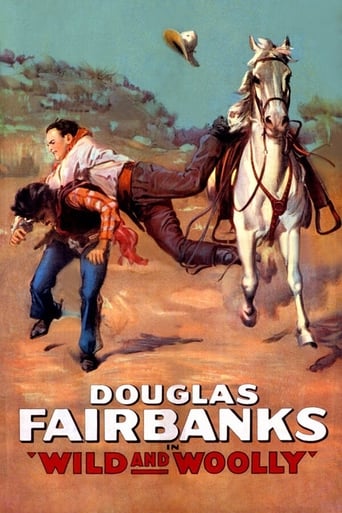
- Appeared in Douglas Fairbanks' 'Wild and Woolly' (1917)
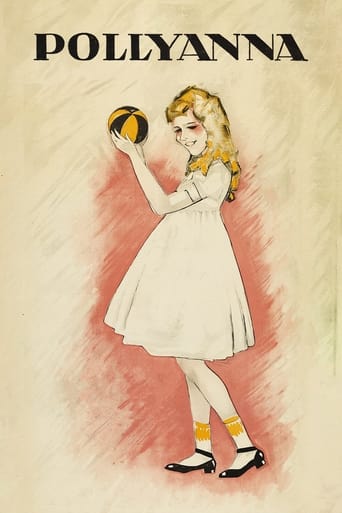
- Cast in Mary Pickford's 'Pollyanna' (1920)
- Appeared in over 60 silent films
- Established reputation as reliable character actor
Best Known For
Iconic Roles
Must-See Films
Working Relationships
Worked Often With
Studios
Why They Matter
Impact on Culture
Wharton James represents the important but often overlooked character actors who formed the backbone of silent cinema. While never a star himself, his consistent performances in supporting roles helped establish the credibility of the films he appeared in, particularly when working alongside major stars like Fairbanks and Pickford. His portrayal of authority figures reflected the societal values and hierarchies of early 20th century America, providing audiences with familiar archetypes they could easily recognize and understand. James' career trajectory—from latecomer to prolific supporting player to retirement with the coming of sound—exemplifies the journey of many silent era actors who found success within a specific technological and artistic context but couldn't or wouldn't adapt to the new medium of sound film.
Lasting Legacy
Wharton James' legacy lies in his contribution to the golden age of silent cinema as a reliable character actor who enhanced the quality of numerous productions. Though his name is not widely remembered today, his work survives in classic films that continue to be studied and appreciated by film historians and enthusiasts. His performances provide valuable insight into the acting styles and techniques of the silent era, particularly the more naturalistic approach that some actors employed. James represents the thousands of working actors who, while never achieving stardom, were essential to the success of Hollywood's studio system during its formative years. His filmography serves as a valuable resource for understanding the breadth and depth of American silent cinema beyond its most famous stars.
Who They Inspired
As a character actor rather than a star, Wharton James' direct influence on other performers was limited, but his professional approach to the craft set an example for subsequent generations of supporting players. His ability to create memorable characters with limited screen time demonstrated the importance of even the smallest roles in contributing to a film's overall impact. The naturalism he brought to his performances, particularly in an era known for theatrical acting styles, presaged the more realistic approach that would become standard in later decades. While he didn't mentor specific protégés, his body of work continues to be studied by actors and scholars interested in the subtleties of silent film performance.
Off Screen
Wharton James was known as a private individual who kept his personal life largely out of the public eye, which was common for character actors of his era. Born James Wharton in Philadelphia, he came to acting after pursuing other careers, which explains his relatively late entry into films. He was respected by his colleagues for his professionalism and reliability on set. Despite appearing in numerous films with major stars, he maintained a low profile in Hollywood social circles. His later years were spent away from the entertainment industry, living a quiet life until his death in 1945.
Did You Know?
- Born as James Wharton but used the stage name Wharton James professionally
- Began his film career at age approximately 49, making him a latecomer to Hollywood
- Appeared in over 60 films during his 13-year career
- Often played ministers, judges, and other authority figures
- Worked with many of the biggest stars of the silent era including Douglas Fairbanks and Mary Pickford
- His career ended with the transition to sound films in the late 1920s
- Despite his prolific output, few personal details about his life are documented
- His role in 'Pollyanna' (1920) was as Reverend Ford, reflecting his typecasting as religious figures
- In 'Wild and Woolly' (1917), he played a judge in the Douglas Fairbanks western comedy
- Like many character actors of his era, he received second billing or lower despite his importance to the productions
Frequently Asked Questions
Who was Wharton James?
American character with credits in this catalog. He appeared in over 60 films, often playing authority figures like judges and ministers, and worked with major stars including Douglas Fairbanks and Mary Pickford.
What films is Wharton James best known for?
Titles linked here include Wild and Woolly (1917), Pollyanna (1920).
When was Wharton James born and when did he die?
Born 1866; died March 15, 1945.
What awards did Wharton James win?
There are no records of Wharton James receiving major awards or nominations during his career. Like many character actors of the silent era, his contributions went largely unrecognized by formal award institutions of the time.
What was Wharton James' acting style?
James was known for his natural and understated acting style, which contrasted with the more exaggerated performances common in silent cinema. He brought authenticity to his roles through subtle facial expressions and dignified screen presence.
Why did Wharton James' career end in 1928?
His career concluded around 1928, coinciding with the transition from silent films to talkies. Like many silent era actors, particularly those in supporting roles, he either couldn't or chose not to adapt to the new requirements of sound film performance.
Did Wharton James work with any famous directors?
Yes, he worked with several prominent directors of the silent era including Cecil B. DeMille and Marshall Neilan. These collaborations placed him in some of the most significant productions of the period.
What was Wharton James' real name?
His birth name was James Wharton, but he used Wharton James professionally. This name reversal was not uncommon among performers of the era who sought to create distinctive stage names.