Films
3 films
About May Boley
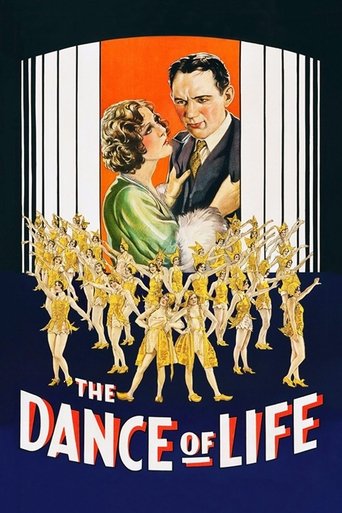
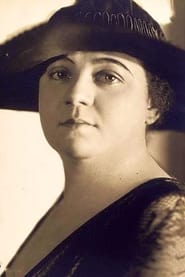
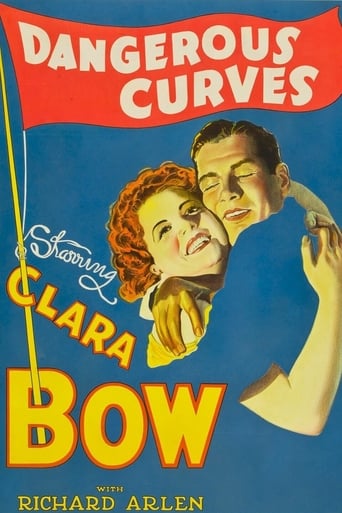
American actress who worked during the pivotal transition period from silent films to sound pictures in Hollywood. May appears in at least two notable films in 1929: 'The Dance of Life,' a musical drama directed by John Cromwell and A. Edward Sutherland, and 'Dangerous Curves,' a comedy film. Her career appears to have been concentrated entirely in 1929, making her representative of the many actors who had brief careers during this transformative era in cinema history. Like many character actors of her generation, she likely had background in stage performance before transitioning to film, as was common during this period. Her roles were typically supporting parts, which was standard for actresses who didn't achieve leading lady status in the highly competitive studio system. The introduction of sound technology created both opportunities and challenges for actors, and many like May Boley found their careers unable to sustain through the rapid changes in the industry. After her brief film career, she may have returned to stage work or left entertainment altogether, as was common for many performers who couldn't maintain careers through the early sound era.
The Craft
On Screen
May Boley likely employed a transitional acting style that was evolving from the exaggerated expressions required for silent cinema to the more nuanced performances demanded by sound films. Her work in early musicals and comedies suggests she was adaptable to the new technical and artistic requirements of talkies, though her brief filmography makes it difficult to assess her full range as an actress.
Milestones
- Appearing in The Dance of Life (1929)
- Appearing in Dangerous Curves (1929)
Best Known For
Iconic Roles
Must-See Films
Working Relationships
Studios
Why They Matter
Impact on Culture
May Boley's cultural impact was minimal given her brief career and supporting roles, but she represents the thousands of character actors and supporting players who were essential to the film industry during its transition to sound. Her work in early musicals like 'The Dance of Life' contributed to the development of the movie musical genre during its formative years. Like many actors of her era, she was part of the transitional generation that helped establish the conventions of early sound cinema, even if her individual contributions were not widely recognized.
Lasting Legacy
May Boley's legacy is primarily that of a representative example of the many character actors who populated early Hollywood films but have been largely forgotten by film history. She embodies the journeyman performers who were essential to the film industry but rarely achieved lasting fame. Her brief career during the pivotal year of 1929 makes her a symbol of the massive changes occurring in Hollywood as it fully embraced sound technology, a transition that created opportunities for some while ending the careers of others.
Who They Inspired
There is no evidence of May Boley directly influencing other actors or filmmakers, given her limited filmography and supporting roles. However, like all performers who worked during the transition to sound, she contributed to the collective learning process that helped establish the techniques and conventions of early sound cinema that would influence subsequent generations of filmmakers and performers.
Off Screen
Very little biographical information is available about May Boley's personal life, which is not uncommon for supporting actors from the early sound era who didn't achieve major stardom. Like many character actors of her time, details about her family background, relationships, and life outside of film have not been well documented in film history sources.
Did You Know?
- May Boley appeared in films during the pivotal year of 1929 when Hollywood was fully transitioning from silent films to talkies
- Her film career appears to have been concentrated entirely in 1929, making her a representative of the many actors who had brief careers during this transitional period
- She worked in 'The Dance of Life,' which was one of the early movie musicals that helped establish the genre during the sound revolution
- Like many supporting actors of her era, biographical information about her life is scarce, reflecting how film history has often focused on stars rather than character actors
- Her career coincided with the introduction of sound technology, which dramatically changed the film industry and the careers of many actors
- The Dance of Life (1929) was based on the Broadway play 'Burlesque' and was one of Paramount's early musical successes
- 1929 was a year of massive upheaval in Hollywood, with many theaters converting to sound and studios scrambling to produce talkies
- Supporting actors like May Boley were crucial to early sound films as they helped fill out ensemble casts and provided continuity as stars adjusted to the new medium
Frequently Asked Questions
Who was May Boley?
Screen credits include supporting roles in early sound films during 1929, most notably in 'The Dance of Life' and 'Dangerous Curves.' Her career was brief and representative of many character actors who worked during Hollywood's transition from silent to sound pictures.
What films is May Boley best known for?
Titles linked here include The Dance of Life (1929), Dangerous Curves (1929).
When was May Boley born and when did she die?
Specific birth and death dates for May Boley are not readily available, which is not uncommon for supporting actors from this era who didn't achieve major stardom. Biographical information about her life outside of her brief film career is scarce.
What awards did May Boley win?
There are no known awards or nominations for May Boley, which was typical for supporting actors of her era who weren't recognized by the major award systems that were still developing in the late 1920s. The Academy Awards had only begun in 1929 and initially focused on leading performers.
What was May Boley's acting style?
May Boley likely employed a transitional acting style that was evolving from the exaggerated expressions of silent film to the more nuanced performances required for talkies. Her work in early musicals and comedies suggests she was adaptable to the new demands of sound cinema, though her brief filmography makes detailed assessment difficult.
Why was May Boley's career so brief?
May Boley's brief career in 1929 was not uncommon for many actors during Hollywood's transition to sound. The introduction of talkies created upheaval in the industry, with many actors finding their careers cut short either by technical limitations, changing audience tastes, or the intense competition in a rapidly evolving business.
What was significant about 1929 in film history?
1929 was a revolutionary year in cinema as Hollywood fully embraced sound technology. This transition created enormous opportunities for some actors while ending the careers of others, and saw the development of new genres like the movie musical, exemplified by films like 'The Dance of Life' in which May Boley appeared.