Films
2 films
About Shah Nawaz
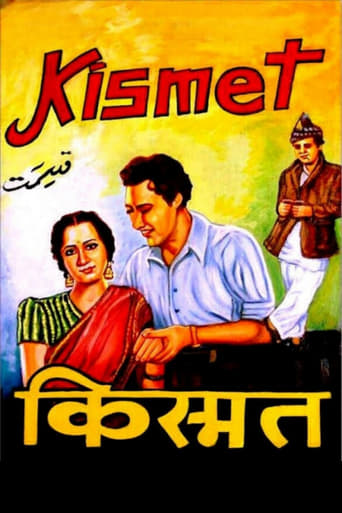
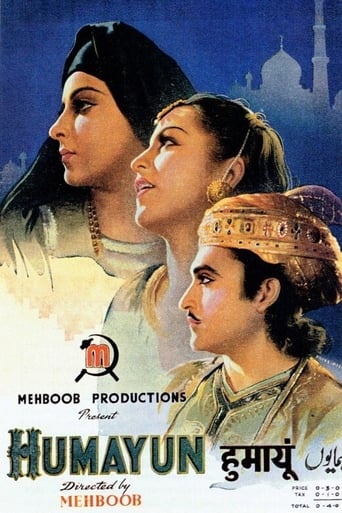
Made significant contributions to Hindi cinema during the early 1940s, a pivotal period in Indian film history. He gained prominence for his supporting roles, often portraying antagonists or authoritative figures with remarkable screen presence. His most notable work came in 'Kismet' (1943), which became a cultural phenomenon and one of the biggest blockbusters of early Indian cinema, running for over three years in theaters and becoming the first Indian film to gross 1 crore rupees. Shah Nawaz continued his success with 'Humayun' (1945), a historical drama directed by the Mehboob Khan, where he showcased his versatility in period cinema. Though his active period in films was relatively brief, his performances coincided with the transformation of Indian cinema from its nascent stages to what would become known as the Golden Age. His ability to embody complex character roles helped establish the importance of supporting actors in Indian cinema's narrative structure. Shah Nawaz's work during this formative era contributed to the development of character archetypes that would influence Indian filmmaking for decades to come.
The Craft
On Screen
Shah Nawaz was known for his commanding screen presence and ability to portray antagonistic characters with depth and conviction. His acting style embodied the theatrical traditions of early Indian cinema while adapting to the more naturalistic approaches emerging in the 1940s. He had a distinctive ability to create memorable characters even in supporting roles, using his physical presence and expressive techniques to leave lasting impressions on audiences.
Milestones
- Breakthrough role in 'Kismet' (1943),
- Notable performance in 'Humayun' (1945) directed by Mehboob Khan
- Contributed to the first Indian film to gross 1 crore rupees
- Worked during the transformative period of Indian cinema's transition to the Golden Age
Best Known For
Iconic Roles
Must-See Films
Working Relationships
Worked Often With
Studios
Why They Matter
Impact on Culture
Shah Nawaz contributed to Indian cinema during a crucial period when the industry was establishing its artistic and commercial foundations. His role in 'Kismet' (1943) was particularly significant as the film became a cultural touchstone, introducing themes and narrative techniques that would influence generations of Indian filmmakers. The success of 'Kismet' demonstrated the commercial viability of Indian cinema and helped establish Bombay as the center of Hindi film production. Shah Nawaz's performances helped establish the importance of well-crafted supporting characters in Indian cinema's storytelling tradition, influencing how character actors would be utilized in subsequent decades.
Lasting Legacy
Shah Nawaz's legacy lies in his contributions to some of the most significant films of early Indian cinema. While detailed documentation of his career is limited, his work in 'Kismet' and 'Humayun' represents the foundation of character acting in Bollywood. These films continue to be studied and referenced in film history, ensuring that his contributions, though sometimes overlooked, remain part of the Indian cinema's heritage. His performances helped establish the archetype of the villain and supporting character that would become staples of Indian popular cinema.
Who They Inspired
Shah Nawaz influenced subsequent generations of character actors in Indian cinema by demonstrating the impact that well-performed supporting roles could have on a film's success. His work in commercially and critically successful films showed the importance of casting strong actors in secondary roles, a practice that became standard in Indian cinema. The template he helped create for villainous and authoritative characters would be refined and expanded by countless actors who followed in his footsteps.
Off Screen
Very limited information is available about Shah Nawaz's personal life, which is common for many character actors from early Indian cinema. Historical records from this era often focused primarily on lead actors and directors, leaving supporting artists' personal histories undocumented.
Did You Know?
- Appeared in 'Kismet' (1943), which became the first Indian film to gross 1 crore rupees
- 'Kismet' ran for over three years in theaters, a record for its time
- Worked with legendary director Mehboob Khan in 'Humayun' (1945)
- His active period coincided with India's independence movement, which influenced many films of the era
- Character actors like Shah Nawaz were essential to the studio system that dominated Indian cinema in the 1940s
- The lack of detailed documentation about his career reflects the limited historical preservation of supporting artists' contributions in early Indian cinema
Frequently Asked Questions
Who was Shah Nawaz?
Indian character with credits in this catalog. He specialized in playing antagonists and authoritative characters during a transformative period in Indian film history.
When was Shah Nawaz born and when did he die?
Unfortunately, specific birth and death dates for Shah Nawaz are not well-documented in available historical records, which is common for many character actors from early Indian cinema. He was active during the 1940s and was of Indian nationality.
What awards did Shah Nawaz win?
There are no documented awards for Shah Nawaz's performances, as formal award systems for Indian cinema were not yet established during his active period in the 1940s. Recognition during this era came primarily through box office success and critical acclaim in publications.
What was Shah Nawaz's acting style?
Shah Nawaz was known for his commanding screen presence and ability to portray antagonistic characters with conviction. His acting style combined theatrical traditions of early Indian cinema with emerging naturalistic approaches, making him effective in creating memorable supporting characters that enhanced the films' narratives.
What was Shah Nawaz's impact on Indian cinema?
Shah Nawaz contributed to Indian cinema during its formative years, helping establish the importance of character actors in successful films. His work in commercially successful movies like 'Kismet' demonstrated how strong supporting performances could enhance a film's appeal, influencing casting practices in subsequent decades of Indian cinema.