Films
2 films
About Norbert A. Myles
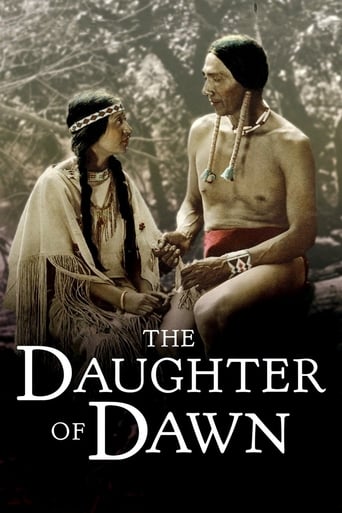
American filmmaker active during the silent era, best known for his work on ethnographic and Western-themed productions. His career, though brief, on early cinema through his innovative approach to featuring Native American performers in authentic roles. Myles began his film career as an actor in 1916, appearing in 'A Great Love,' but quickly transitioned to directing where he found his true calling. His most significant achievement was the 1920 film 'The Daughter of Dawn,' a production that featured an all-Native American cast from the Comanche and Kiowa tribes. This film was remarkable for its time, as it portrayed Native American culture with unprecedented authenticity and respect. Myles worked closely with tribal communities to ensure accurate representation, a revolutionary approach in an era when Native Americans were typically played by white actors in makeup. After 'The Daughter of Dawn,' Myles seemingly vanished from the film industry, with no known directing credits after 1920, making him one of cinema's most intriguing lost figures.
The Craft
On Screen
Limited information available, but his brief acting career during the silent era suggests he employed the typical theatrical style of early cinema, characterized by exaggerated gestures and facial expressions to convey emotion without dialogue.
Behind the Camera
Myles demonstrated a remarkably progressive and documentary-like approach for his time, focusing on authenticity and cultural respect. His direction of 'The Daughter of Dawn' revealed a commitment to realistic representation of Native American life, avoiding the stereotypical portrayals common in early Hollywood Westerns. He worked collaboratively with his Native American cast, allowing them to perform traditional dances, ceremonies, and customs with genuine authenticity.
Milestones
- Acting debut in 'A Great Love' (1916)
- Direction of 'The Daughter of Dawn' (1920)
- work with Native American cast in authentic roles
- Creation of one of the earliest ethnographic feature films
- Preservation of Native American culture through cinema
Best Known For
Iconic Roles
Must-See Films
Accolades
Special Recognition
- Posthumous recognition for 'The Daughter of Dawn' as a significant cultural artifact
Working Relationships
Worked Often With
Studios
Why They Matter
Impact on Culture
Norbert A. Myles' most significant cultural contribution came through 'The Daughter of Dawn,' which stands as a landmark in the representation of Native Americans in cinema. At a time when Hollywood routinely portrayed indigenous peoples through harmful stereotypes and white actors in redface, Myles created a film that featured actual Native Americans telling their own stories. The film preserved important aspects of Comanche and Kiowa culture, including traditional ceremonies, dances, and daily life activities that might otherwise have been lost to history. When 'The Daughter of Dawn' was rediscovered in 2012 after being thought lost for decades, it was recognized not only as a cinematic treasure but as an invaluable ethnographic document.
Lasting Legacy
Myles' legacy rests primarily on the rediscovery and restoration of 'The Daughter of Dawn,' which has been screened at film festivals and museums worldwide. The film is now considered a crucial piece of both cinema history and Native American cultural heritage. His approach to filmmaking—prioritizing authenticity and cultural respect—was decades ahead of its time and has influenced how indigenous stories are told in cinema. Though his own career was brief and largely forgotten, his work has inspired contemporary filmmakers to seek authentic representation and collaboration with Native communities.
Who They Inspired
While Myles himself did not have a long career to directly influence others, his work on 'The Daughter of Dawn' has served as an inspiration for modern filmmakers interested in authentic indigenous storytelling. The film's rediscovery has sparked scholarly interest in early ethnographic cinema and encouraged reevaluation of how Native Americans have been portrayed throughout film history. Contemporary Native American filmmakers have cited the importance of early works like Myles' in paving the way for greater indigenous control over their own narratives.
Off Screen
Very little is known about Norbert A. Myles' personal life, as he appears to have been a relatively obscure figure in Hollywood who left few records behind. His brief active years covered only four years, and he seemingly disappeared from the film industry after 1920. This lack of biographical information has made him somewhat of a mystery in film history circles.
Did You Know?
- 'The Daughter of Dawn' was thought lost for over 90 years before being discovered in a private collection in 2012
- The film featured an all-Native American cast of approximately 300 Comanche and Kiowa people
- Many of the actors in 'The Daughter of Dawn' were descendants of famous Native American leaders, including Quanah Parker
- The film was shot on location in the Wichita Mountains of Oklahoma
- No intertitles were needed for the original version as the Native American cast spoke their own languages
- The film's plot was based on traditional Comanche and Kiowa stories and legends
- Myles paid his Native American cast $5 per day, which was considered good pay for the time
- The film premiered in 1920 but was never widely distributed due to changing market conditions
- The Oklahoma Historical Society now preserves and occasionally screens the restored film
- Myles disappeared from film records after 1920, making him one of Hollywood's great mysteries
Frequently Asked Questions
Who was Norbert A. Myles?
American filmmaker active during the silent era, best known for directing the groundbreaking 1920 film 'The Daughter of Dawn.' He worked briefly as an actor before transitioning to directing, where he made significant contributions to authentic Native American representation in early cinema.
What films is Norbert A. Myles best known for?
Titles linked here include The Daughter of Dawn (1920), A Great Love (1916).
When was Norbert A. Myles born and when did he die?
Unfortunately, specific birth and death dates for Norbert A. Myles are not known to film historians. He was active in the film industry from 1916 to 1920, after which he seemingly disappeared from historical records, making him one of early cinema's most enigmatic figures.
What awards did Norbert A. Myles win?
There are no records of Norbert A. Myles receiving formal awards during his lifetime. However, his work has gained posthumous recognition, particularly for 'The Daughter of Dawn,' which is now celebrated as an important cultural and cinematic achievement in Native American representation.
What was Norbert A. Myles' directing style?
Myles demonstrated a remarkably progressive directing style for his time, emphasizing authenticity and cultural respect. His approach was documentary-like, collaborating closely with Native American performers to accurately portray their traditions, ceremonies, and way of life, avoiding the stereotypes common in early Hollywood Westerns.