Films
2 films
About B.M. Vyas
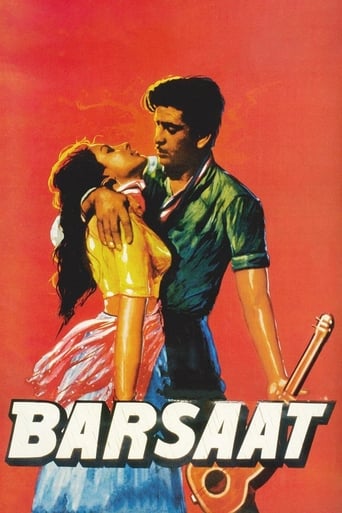
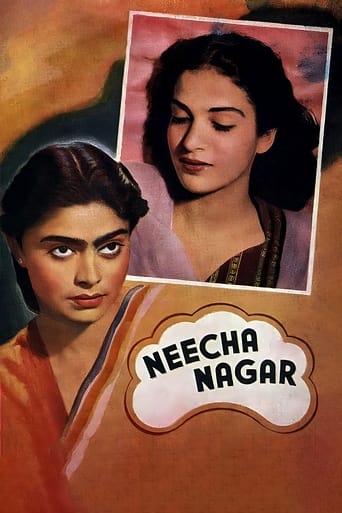
Indian character actor who worked during the formative years of post-independence Indian cinema, with a brief but significant career spanning from 1946 to 1949. He gained recognition for his role in the film 'Neecha Nagar' (1946), directed by Chetan Anand, which became the first Indian film to win the Grand Prix (now Golden Palm) at the inaugural Cannes Film Festival in 1946. His performance in this socially relevant film about class struggle demonstrated his ability to portray complex characters with depth and authenticity. Vyas followed this success with a role in Raj Kapoor's romantic drama 'Barsaat' (1949), which was successful films of its time and helped establish Raj Kapoor as a major star. Although his filmography was limited, Vyas contributed to films that would become landmarks in Indian cinema history, particularly during the transition from the colonial era to independent India's burgeoning film industry. His naturalistic acting style was somewhat ahead of its time in Indian cinema, which was still developing its own cinematic language and acting conventions in the post-independence period.
The Craft
On Screen
Naturalistic and realistic approach, ahead of its time in Indian cinema
Milestones
- Appeared in 'Neecha Nagar' (1946), first Indian film to win at Cannes
- Acted in Raj Kapoor's breakthrough film 'Barsaat' (1949)
- Contributed to early post-independence Indian cinema
- Part of the new wave of realistic cinema in India
Best Known For
Iconic Roles
Must-See Films
Accolades
Won
- Grand Prix at Cannes Film Festival (1946) - as cast member of Neecha Nagar
Special Recognition
- Part of Cannes Film Festival history through Neecha Nagar
Working Relationships
Worked Often With
Why They Matter
Impact on Culture
B.M. Vyas contributed to a pivotal moment in Indian cinema history through his participation in 'Neecha Nagar', which not only addressed pressing social issues of class inequality but also put Indian cinema on the international map. The film's success at Cannes opened doors for Indian filmmakers to gain global recognition and demonstrated that Indian stories could resonate with international audiences. His work in 'Barsaat' contributed to establishing the romantic genre that would become a staple of Bollywood cinema. Though his individual career was brief, Vyas was part of the transformation of Indian cinema from theatrical, stage-influenced performances to more naturalistic, realistic acting styles that would define the golden age of Indian cinema.
Lasting Legacy
B.M. Vyas's legacy is tied to the historic achievements of the films he participated in, particularly 'Neecha Nagar' which remains a milestone in Indian cinema as the first to gain major international recognition. While he may not be widely remembered by name today, his contribution to these landmark films represents the important role that character actors played in building the foundation of Indian cinema. His work exemplifies the transition period in Indian film history when the industry was developing its unique identity and moving toward more sophisticated storytelling techniques. The films he appeared in continue to be studied and celebrated as classics of early Indian cinema.
Who They Inspired
As a character actor during the formative years of Indian cinema, B.M. Vyas contributed to the development of more naturalistic acting styles that would influence subsequent generations of Indian actors. His participation in socially relevant films like 'Neecha Nagar' helped establish the tradition of meaningful cinema in India that addressed social issues while maintaining entertainment value. The success of films he appeared in demonstrated the viability of realistic storytelling in Indian cinema, encouraging other filmmakers and actors to move beyond melodramatic conventions.
Off Screen
Limited information available about personal life, which was common for character actors of early Indian cinema who often remained behind the scenes despite their significant contributions.
Did You Know?
- 'Neecha Nagar' was the first Indian film to win an award at an international film festival (Cannes, 1946)
- The success of 'Neecha Nagar' at Cannes came just before India's independence, making it a significant cultural achievement
- B.M. Vyas's active years covered only about 3-4 years, but he worked on two of the most significant films of the era
- Both films he appeared in ('Neecha Nagar' and 'Barsaat') dealt with social themes, though in different ways
- Character actors like B.M. Vyas were crucial to early Indian cinema but often remained undocumented in film histories
- His naturalistic acting style contrasted with the more theatrical performances common in Indian cinema of the 1940s
- The films he appeared in helped establish two different genres in Indian cinema: social realism and romantic drama
Frequently Asked Questions
Who was B.M. Vyas?
Indian character with credits in this catalog. Though his career was brief, he contributed to films that became landmarks in Indian cinema history.
What films is B.M. Vyas best known for?
Titles linked here include Neecha Nagar (1946), Barsaat (1949).
When was B.M. Vyas born and when did he die?
Specific birth and death dates for B.M. Vyas are not well-documented, which is common for character actors from early Indian cinema. His active active years covered from 1946 to 1949 during the early years of independent India.
What awards did B.M. Vyas win?
As a cast member of 'Neecha Nagar', B.M. Vyas was part of the film's historic win of the Grand Prix (now Golden Palm) at the inaugural Cannes Film Festival in 1946. This was the first major international recognition for an Indian film.
What was B.M. Vyas's acting style?
B.M. Vyas was known for his naturalistic and realistic acting approach, which was somewhat ahead of its time in Indian cinema of the 1940s. His style contrasted with the more theatrical performances common in the era and contributed to the development of more authentic screen acting in Indian films.