Films
2 films
About Carlos E. González
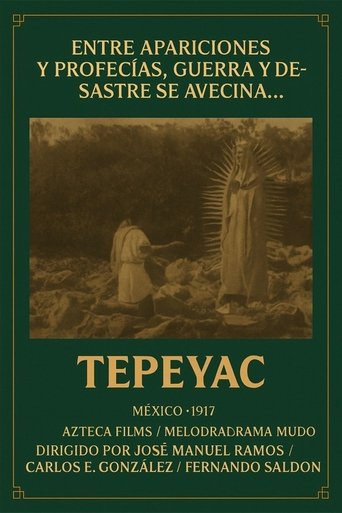
Figure in early Mexican cinema during the silent era. He emerged as both an actor and director during a formative period for Mexican film production, which was still in its infancy in the late 1910s. His most significant contribution came as co-director of 'Tepeyac' (1917), which stands as one of Mexico's earliest full-length feature films and a landmark in national cinema history. González also demonstrated his versatility as a performer by taking acting roles in both 'Tepeyac' and 'The Grey Automobile' (1919), two of the most significant Mexican films of their era. His career, though brief and concentrated in the years 1917-1919, coincided with the Mexican Revolution period when the country was developing its cinematic identity. While detailed records of his life are scarce, his involvement in these foundational films marks him as an important contributor to the establishment of Mexico's film industry during its nascent stages.
The Craft
Milestones
- Co-directed 'Tepeyac' (1917), one of Mexico's earliest feature films
- Acted in 'Tepeyac' (1917)
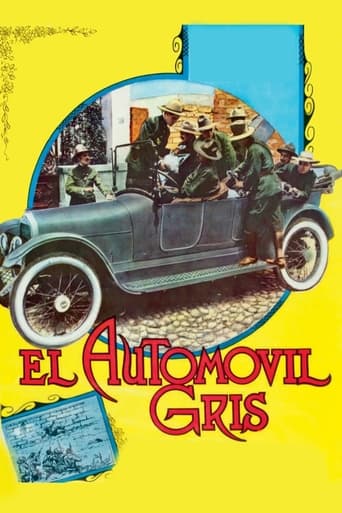
- Appeared in 'The Grey Automobile' (1919), another landmark early Mexican film
Best Known For
Must-See Films
Working Relationships
Worked Often With
Why They Matter
Impact on Culture
Carlos E. González contributed to the foundational development of Mexican cinema during its most formative years. His work on 'Tepeyac' helped establish the religious and national themes that would become central to Mexican filmmaking in subsequent decades. The film's focus on the Virgin of Guadalupe reflected the cultural identity of Mexico and set precedents for future national cinema. By participating in both the creative and performance aspects of early Mexican films, González represented the multi-talented nature of cinema pioneers who needed to fill various roles in an industry that was still developing its professional specializations.
Lasting Legacy
Carlos E. González's legacy is preserved through his contributions to two of the most important surviving films from early Mexican cinema. 'Tepeyac' (1917) remains historically significant as one of the first Mexican feature films and is studied by film historians as an example of early national cinema. While González himself may not be widely remembered by name today, his work helped lay the groundwork for the Golden Age of Mexican Cinema that would flourish in the 1930s-1950s. His involvement in these films represents the collaborative spirit of early filmmakers who worked with limited resources but with great ambition to create a national cinema.
Who They Inspired
As one of the early directors and actors in Mexican cinema, Carlos E. González was part of the generation that established the technical and artistic foundations for future Mexican filmmakers. His work on 'Tepeyac' demonstrated how Mexican filmmakers could address national themes and stories, influencing subsequent generations of directors who would continue to explore Mexican identity through cinema. The collaborative nature of early filmmaking that González exemplified also set a precedent for the close-knit creative communities that would characterize Mexican cinema in later decades.
Off Screen
Limited information is available about the personal life of Carlos E. González, which is not uncommon for figures from the very early days of Mexican cinema. Many biographical details from this period have been lost due to inadequate record-keeping and the tumultuous historical context of the Mexican Revolution era.
Did You Know?
- 'Tepeyac' (1917) was one of the first full-length feature films produced in Mexico
- The film 'Tepeyac' told the story of the apparition of the Virgin of Guadalupe, a central figure in Mexican culture
- Carlos E. González was one of three directors credited on 'Tepeyac', working alongside José Manuel Ramos and Fernando Sáyago
- His acting active years covered only two known films, both of which are now considered classics of early Mexican cinema
- The period when González was active (1917-1919) coincided with the Mexican Revolution, which greatly influenced the country's cultural development
- Early Mexican filmmakers like González often had to be multi-talented, working as both actors and directors due to limited resources
- Many films from this era of Mexican cinema have been lost, making González's surviving contributions particularly valuable to film historians
Frequently Asked Questions
Who was Carlos E. González?
Actor and on YTB.my. He is best known for co-directing 'Tepeyac' (1917), one of Mexico's earliest feature films, and for his acting roles in both 'Tepeyac' and 'The Grey Automobile' (1919).
What films is Carlos E. González best known for?
Titles linked here include Tepeyac (1917), The Grey Automobile (1919).
When was Carlos E. González born and when did he die?
Unfortunately, specific birth and death dates for Carlos E. González are not readily available in historical records, which is not uncommon for figures from the very early days of Mexican cinema. His known active years covered from 1917 to 1919 during the silent film era.
What awards did Carlos E. González win?
There are no recorded awards or honors specifically attributed to Carlos E. González, which reflects the fact that formal award systems for cinema were not yet established during his brief career in the late 1910s. His significance is recognized through his contributions to Mexican films rather than through formal accolades.
What was Carlos E. González's acting and directing style?
Due to the limited surviving records and films from this period, specific details about Carlos E. González's personal artistic style are not well-documented. As a pioneer of early Mexican cinema, his work would have reflected the emerging techniques of silent film and the cultural themes important to Mexican national identity, particularly evident in the religious subject matter of 'Tepeyac'.