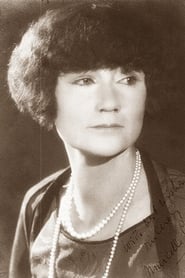
Marcelle Corday
Actor
Born: January 8, 1890 in Paris, France Died: June 21, 1971 Active: 1912-1948 Birth Name: Marcelle Labrèche
Films
2 films

About Marcelle Corday
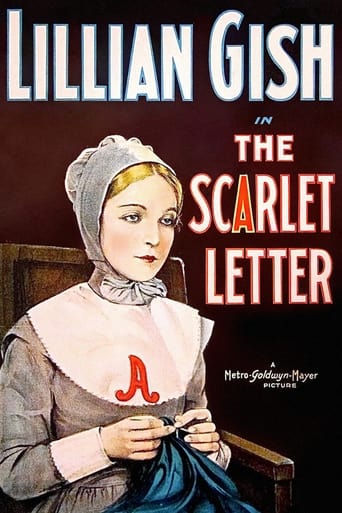
French-born actress who enjoyed a prolific career in Hollywood spanning over three decades, from the silent era through the early sound period. Born Marcelle Labrèche in France, she began her film career in French cinema before emigrating to the United States in the 1920s to pursue opportunities in Hollywood. Corday quickly established herself as a reliable character actress, appearing in supporting roles in numerous prestigious productions. Her most notable silent films include 'The Scarlet Letter' (1926) alongside Lillian Gish and 'Flesh and the Devil' (1926) featuring Greta Garbo and John Gilbert. Unlike many silent film stars whose careers ended with the advent of sound, Corday successfully transitioned to talkies, continuing to work steadily throughout the 1930s and 1940s. She often played maids, governesses, and other servant roles, utilizing her European background and accent to her advantage. Her final film appearance was in 1948, after which she retired from acting. Corday's longevity in the industry and ability to adapt to changing cinematic technologies demonstrated her professionalism and versatility as an actress.
The Craft
On Screen
Marcelle Corday specialized in character acting, bringing authenticity and depth to supporting roles. Her European heritage and natural accent made her particularly convincing in roles as maids, governesses, and other domestic servants. In silent films, she utilized expressive facial features and subtle gestures to convey emotion, while in talkies, her distinctive voice added authenticity to her character portrayals. She was known for her professionalism and reliability, consistently delivering solid performances that enhanced the main narrative without overshadowing the leads.
Milestones
- Appeared in 89 credited films over 36-year career
- Successfully transitioned from silent films to talkies
- Worked with major stars like Greta Garbo, John Gilbert, and Lillian Gish
- Frequent collaborator with MGM Studios during golden age
- Known for portraying maids, governesses, and European characters
Best Known For
Iconic Roles
Must-See Films
Working Relationships
Worked Often With
Studios
Why They Matter
Impact on Culture
Marcelle Corday represented the international character of Golden Age Hollywood, bringing authentic European presence to American films. As one of many French actors who found success in Hollywood, she contributed to the cultural exchange that enriched cinema during the silent and early sound eras. Her ability to portray various European characters helped American audiences connect with international stories and settings. Her successful transition from silent to sound films demonstrated the adaptability required of character actors during this pivotal period in cinema history.
Lasting Legacy
Marcelle Corday's legacy lies in her contributions as a reliable and versatile character actress who supported many of Hollywood's biggest productions during its golden age. While never a leading lady, her performances added depth and authenticity to numerous classic films. Her career longevity, spanning from the early silent era through the post-war period, shows the importance of character actors in creating memorable cinema. Today, film historians appreciate her work as representative of the skilled supporting players who were essential to Hollywood's studio system.
Who They Inspired
As a character actress, Marcelle Corday influenced subsequent generations of supporting actors by demonstrating the importance of versatility and professionalism in smaller roles. Her ability to convincingly portray various European characters helped establish conventions for such roles in Hollywood cinema. Her successful career transition from silent to sound films provided a model for other actors facing similar challenges during this technological revolution in filmmaking.
Off Screen
Marcelle Corday married American actor John Bowers in 1924, though their marriage ended in divorce. She never remarried and had no children. After retiring from films in 1948, she lived quietly in Los Angeles, maintaining connections with the film community but largely staying out of the public eye. She was known among colleagues as a private but gracious person who maintained her French cultural identity throughout her life in America.
Education
Educated in France; likely received formal dramatic training in Paris before entering films
Family
- John Bowers (1924-1930)
Did You Know?
- Appeared in 89 films over a 36-year career, making her one of the more prolific character actresses of her era
- Was originally discovered while performing in French theater before coming to Hollywood
- Her birth name was Marcelle Labrèche, which she changed to the more marketable 'Corday' for her film career
- Often played characters much older than her actual age, particularly in her later years
- Spoke fluent English with a French accent throughout her career, which became her trademark
- Worked with virtually every major studio in Hollywood during her career
- Appeared in both French and American films, making her truly international
- Was part of the MGM stock company of character actors during the 1930s
- Her final film appearance was uncredited, typical of many character actors at the end of their careers
- Survived both World Wars, living through the German occupation of France before emigrating to America
In Their Own Words
In Hollywood, it's better to be a good character actor than a bad leading lady.
Frequently Asked Questions
Who was Marcelle Corday?
French-born character actress who worked in Hollywood films from 1912 to 1948, appearing in nearly 90 movies during the silent era and early sound period. She was known for playing maids, governesses, and various European characters in major Hollywood productions.
What films is Marcelle Corday best known for?
Titles linked here include The Scarlet Letter (1926), Flesh and the Devil (1926).
When was Marcelle Corday born and when did she die?
Born January 8, 1890; died June 21, 1971.
What awards did Marcelle Corday win?
Marcelle Corday did not receive major formal awards or nominations during her career, which was typical for character actors of her era. Her recognition came from steady employment and the respect of her colleagues in the film industry.
What was Marcelle Corday's acting style?
Marcelle Corday specialized in character acting, using her European background and accent to portray authentic servants, governesses, and aristocratic figures. She was known for her professionalism, versatility, and ability to support leading actors without overshadowing them.
How did Marcelle Corday transition from silent to sound films?
Unlike many silent film stars, Marcelle Corday successfully transitioned to sound films by leveraging her natural French accent and language skills. Her character roles actually benefited from the addition of sound, as her voice added authenticity to her portrayals of European characters.
Was Marcelle Corday married?
Yes, Marcelle Corday was married to American actor John Bowers from 1924 to 1930. After their divorce, she never remarried and had no children.
What was Marcelle Corday's real name?
Marcelle Corday's birth name was Marcelle Labrèche. She adopted the stage name 'Corday' when she began her film career, likely choosing it for its marketability and sophisticated sound.