Films
3 films
About Reikichi Kawamura
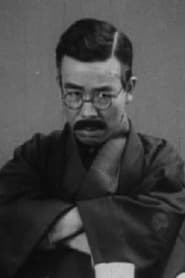
Japanese character actor who worked during the golden age of Japanese cinema in the 1930s and 1940s. Reikichi appears in several significant films of the era, often playing supporting roles that contributed to the Japanese cinematic storytelling. His the crucial transitional period from silent films to talkies in Japan, working with some of the most important directors of the time. Kawamura's performances, while not leading roles, were noted for their authenticity and depth, typical of the ensemble acting style prevalent in Japanese cinema of this period. His filmography, though relatively brief, includes collaborations with renowned directors and appearances in films that are now considered classics of Japanese cinema. Reikichi Kawamura's career was interrupted by World War II, which significantly impacted the Japanese film industry during the mid-1940s. Despite the limited documentation of his work, his contributions to these important films have been preserved through cinema history.
The Craft
On Screen
Naturalistic character acting typical of Japanese cinema ensemble casts of the 1930s-40s, focusing on authentic portrayals of everyday people
Milestones
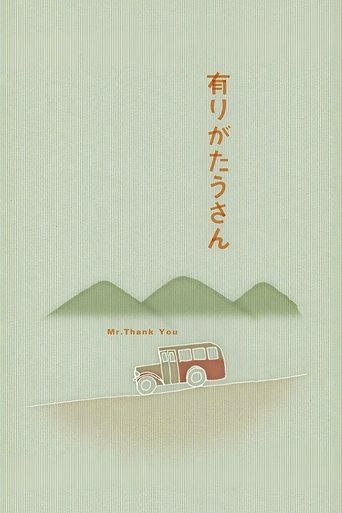
- Appeared in Mikio Naruse's 'Mr. Thank You' (1936)
- Worked during Japan's pre-war golden age of cinema
- Participated in early Japanese sound films
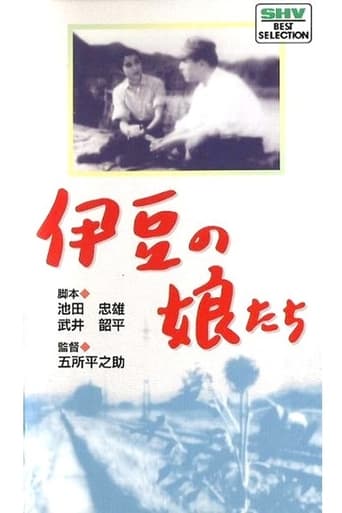
- Appeared in 'Izu no musumetachi' (1945) near the end of WWII
Best Known For
Iconic Roles
Must-See Films
Working Relationships
Worked Often With
Why They Matter
Impact on Culture
Reikichi Kawamura contributed to the development of Japanese cinema during its formative sound era, participating in films that helped establish the unique aesthetic and narrative style that would later influence filmmakers worldwide. His work in ensemble casts helped create the rich, layered storytelling that became characteristic of classic Japanese cinema, particularly in the social realist tradition. These films, including his contributions, were part of the foundation that would later launch Japanese cinema onto the international stage in the 1950s.
Lasting Legacy
Though not a major star, Reikichi Kawamura's legacy lives on through his appearances in historically significant Japanese films that are studied and preserved by film historians and archives. His work represents the important contributions of character actors who formed the backbone of Japanese cinema's golden age, providing the authentic human elements that made these films so compelling and enduring.
Who They Inspired
As a supporting actor in influential films, Kawamura's work contributed to the development of ensemble acting techniques in Japanese cinema that would later influence international filmmakers. His naturalistic style was part of the broader movement toward realism in Japanese film that would later inspire directors like Akira Kurosawa and Yasujirō Ozu.
Off Screen
Very limited information is available about Reikichi Kawamura's personal life, which was typical for supporting actors of this era in Japanese cinema. Like many character actors of the time, his life was largely undocumented outside of his film work.
Did You Know?
- Appeared in 'Mr. Thank You' (1936), one of director Mikio Naruse's early sound films
- His active years covered the crucial period before and during World War II in Japan
- Worked during the transition from silent films to talkies in Japanese cinema
- Like many Japanese actors of his era, his filmography was likely affected by wartime censorship and production restrictions
- His films are now considered important examples of pre-war and wartime Japanese cinema
- Character actors like Kawamura were essential to the ensemble casts typical of Japanese films of this period
Frequently Asked Questions
Who was Reikichi Kawamura?
Japanese character with credits in this catalog. Thank You' (1936) and 'Izu no musumetachi' (1945).
What films is Reikichi Kawamura best known for?
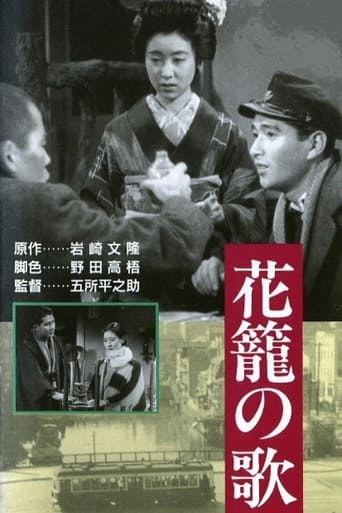
Titles linked here include Mr. Thank You (1936), Song of the Flower Basket (1937).
When was Reikichi Kawamura active in films?
Reikichi Kawamura was active as an actor from 1936 to 1945, working during a crucial period in Japanese cinema history that included the transition to sound films and the World War II years.
What style of acting was Reikichi Kawamura known for?
Kawamura was known for naturalistic character acting typical of Japanese cinema ensemble casts of the 1930s-40s, focusing on authentic portrayals of everyday people in supporting roles.
Did Reikichi Kawamura work with any famous directors?
Yes, Kawamura worked with renowned director Mikio Naruse on 'Mr. Thank You' (1936), one of Naruse's early sound films that is now considered a classic of Japanese cinema.