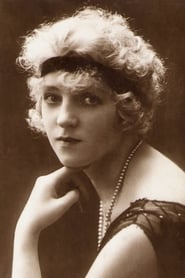
Sandra Milovanoff
Actor
Born: June 23, 1892 in Saint Petersburg, Russia Died: May 9, 1957 Active: 1921-1933 Birth Name: Alexandra Milovanoff
Films
3 films
About Sandra Milovanoff
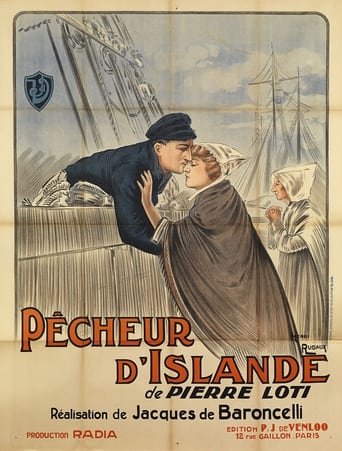
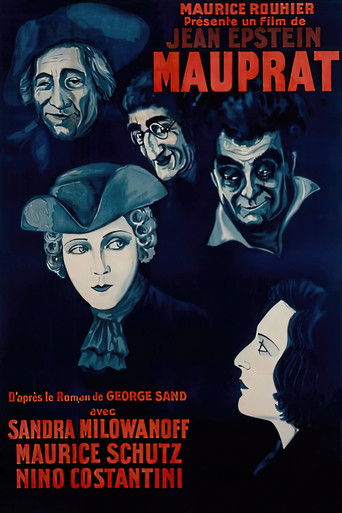
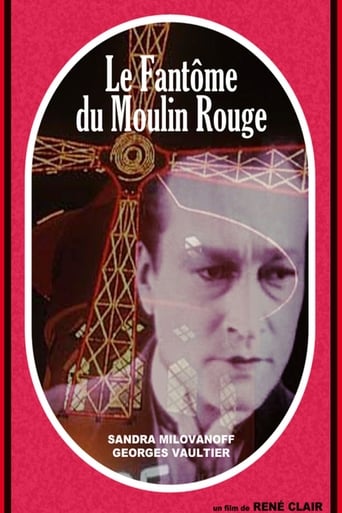
Prominent French silent film actress of Russian origin who captivated audiences during the golden age of European cinema. Born in Saint Petersburg, she moved to France and was discovered by director Jacques Feyder, who became her mentor and later husband. Her breakthrough role came in Feyder's acclaimed 1921 film 'L'Atlantide,' where she played the mysterious Queen Antinea, establishing her as one of France's leading actresses. Throughout the 1920s, she starred in several prestigious productions including 'Crainquebille' (1922), 'Pêcheur d'Islande' (Iceland Fisherman, 1924), and 'Mauprat' (1926), working with France's most respected directors. Her ethereal beauty and expressive acting style made her particularly suited for romantic and dramatic roles, embodying the ideal of the mysterious, exotic woman that was popular in silent cinema. After marrying Jacques Feyder in 1929, she gradually retired from acting, though she made a few appearances in sound films during the early 1930s. Her career, though relatively brief, on French silent cinema, and she remains remembered as one of the era's most elegant and talented actresses.
The Craft
On Screen
Sandra Milovanoff was known for her subtle, expressive acting style that perfectly suited the silent film medium. She possessed a remarkable ability to convey complex emotions through her eyes and subtle facial expressions, often playing mysterious and enigmatic characters. Her performances were characterized by a naturalistic approach that avoided the exaggerated gestures common in early silent cinema, instead favoring understated emotional depth. Milovanoff's screen presence was both ethereal and commanding, allowing her to embody characters ranging from exotic queens to ordinary women with equal conviction. Her acting technique emphasized psychological realism and emotional authenticity, making her performances feel contemporary even by modern standards.
Milestones
- Breakthrough role in 'L'Atlantide' (1921) directed by Jacques Feyder
- Starring role in 'Pêcheur d'Islande' (Iceland Fisherman, 1924)
- Leading role in 'Mauprat' (1926) directed by Jean Epstein
- Marriage to director Jacques Feyder in 1929
- Transition to sound films in early 1930s before retirement
Best Known For
Iconic Roles
Must-See Films
Accolades
Special Recognition
- Recognized as one of the great actresses of French silent cinema
- Featured in retrospective exhibitions of French film history
- Her films preserved in the Cinémathèque Française collection
Working Relationships
Worked Often With
Studios
Why They Matter
Impact on Culture
Sandra Milovanoff played a significant role in shaping French silent cinema during its artistic peak in the 1920s. Her work helped establish the standard for sophisticated, psychologically nuanced performances in European film, moving away from the theatrical style prevalent in earlier cinema. Through her collaborations with visionary directors like Jacques Feyder and Jean Epstein, she contributed to some of the most artistically ambitious French films of the silent era. Her portrayal of complex, independent female characters challenged the traditional gender roles of the period and offered audiences more sophisticated representations of women on screen. Milovanoff's international appeal, particularly in 'L'Atlantide,' helped demonstrate the global potential of French cinema and contributed to the cultural exchange between European film industries during the 1920s.
Lasting Legacy
Sandra Milovanoff's legacy endures through the preservation of her films in major film archives and their continued study by cinema historians. She is remembered as. Her films, particularly 'L'Atlantide' and 'Mauprat,' are considered classics of silent cinema and are regularly featured in retrospectives and film studies courses. Milovanoff's career represents the transition from the theatrical acting style of early cinema to the more naturalistic performances that would become standard in later decades. Her marriage to Jacques Feyder also created one of cinema's most notable creative partnerships, influencing the development of French film aesthetics during a crucial period in its history.
Who They Inspired
Sandra Milovanoff influenced subsequent generations of French actresses through her naturalistic acting style and her ability to convey complex emotions with subtlety and restraint. Her work demonstrated the potential for cinema to explore psychological depth and character complexity, paving the way for more sophisticated performances in sound films. The success of her collaborations with avant-garde directors helped establish the precedent for artistic partnerships between actors and directors in French cinema. Her portrayal of strong, independent female characters provided a model for later actresses seeking roles that went beyond traditional stereotypes. Film historians and scholars continue to study her performances as examples of the artistic heights achieved during the golden age of silent cinema, and her techniques remain relevant for actors studying silent film performance today.
Off Screen
Sandra Milovanoff led a relatively private life away from the glamour of cinema. After being discovered by Jacques Feyder, she developed a close professional relationship with him that blossomed into romance. The couple married in 1929, and their marriage lasted until Feyder's death in 1948. During their marriage, Milovanoff largely stepped away from her acting career to focus on her family life. She and Feyder had one child together, a daughter named Pauline, who was born in 1930. Following Feyder's death, Milovanoff lived a quiet life in Paris, rarely appearing in public or giving interviews about her film career. She remained devoted to preserving her late husband's legacy and occasionally participated in film retrospectives honoring his work.
Education
Limited information available about her formal education, though she likely received training in dramatic arts and possibly dance, which was common for actresses of her era
Family
- Jacques Feyder (1929-1948)
Did You Know?
- Born Alexandra Milovanoff in Saint Petersburg to Russian aristocratic parents
- Fled Russia during the revolution and eventually settled in Paris
- Was discovered by Jacques Feyder while working as a model
- Her breakthrough role in 'L'Atlantide' required her to wear elaborate costumes weighing over 30 pounds
- Spoke fluent Russian, French, and English, which helped her international appeal
- Retired from films shortly after the advent of sound, preferring the silent medium
- Made only three sound films before completely retiring from acting
- Her daughter Pauline Feyder also briefly worked in the film industry
- Lived in relative obscurity after her husband's death, rarely discussing her film career
- Many of her films were considered lost for decades but have since been rediscovered and restored
In Their Own Words
Silent cinema allows the soul to speak without words; the eyes become the voice of the heart.
Working with Jacques Feyder taught me that true acting is not about showing emotion, but about feeling it and letting it emerge naturally.
The transition to sound was difficult for many of us; we had spent years perfecting an art form that suddenly became obsolete.
Frequently Asked Questions
Who was Sandra Milovanoff?
Prominent French silent film actress of Russian origin who starred in several acclaimed European films during the 1920s. She was particularly known for her work with director Jacques Feyder, whom she later married, and her performances in films like 'L'Atlantide' and 'Mauprat' established her as one of France's leading actresses of the silent era.
What films is Sandra Milovanoff best known for?
Titles linked here include L'Atlantide (1921), Pêcheur d'Islande (Iceland Fisherman, 1924).
When was Sandra Milovanoff born and when did she die?
Born June 23, 1892; died May 9, 1957.
What awards did Sandra Milovanoff win?
While formal acting awards were not as common during the silent era as they are today, Sandra Milovanoff received critical acclaim and recognition for her performances. She is remembered as one of the great actresses of French silent cinema, and her films have been preserved in prestigious archives like the Cinémathèque Française.
What was Sandra Milovanoff's acting style?
Sandra Milovanoff was known for her subtle, naturalistic acting style that emphasized psychological depth and emotional authenticity. She avoided the exaggerated gestures common in early silent cinema, instead conveying complex emotions through her eyes and subtle facial expressions. Her performances were characterized by their understated elegance and realistic portrayal of human emotions.