Charles De Rochefort
Actor
Born: July 7, 1887 in Port-de-Bouc, Bouches-du-Rhône, France Died: January 2, 1952 Active: 1911-1946 Birth Name: Charles Auguste Anselme Léon Étienne De Rochefort
Films
2 films
About Charles De Rochefort
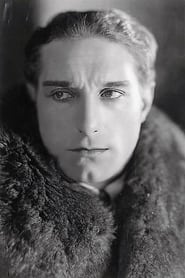
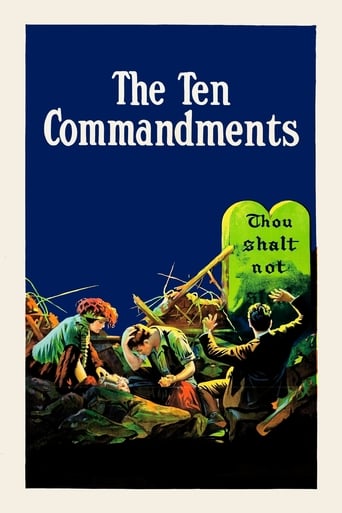
Made significant contributions to both European and American cinema during the silent era and early sound period. Born in 1887 in Port-de-Bouc, France, he began his film career in 1911 and quickly established himself as a versatile character actor known for his aristocratic bearing and commanding screen presence. His international breakthrough came with his memorable performance as Dathan in Cecil B. DeMille's epic The Ten Commandments (1923), where he portrayed the rebellious Hebrew who challenges Moses. Throughout his career spanning over three decades, he appeared in more than 80 films, often cast as aristocrats, villains, or authority figures due to his imposing presence and theatrical background. De Rochefort successfully navigated the transition from silent films to talkies, though his most celebrated work remains in the silent era. He continued acting in French cinema until the mid-1940s, maintaining his reputation as a reliable character actor. His career exemplifies the international nature of early cinema, with actors moving fluidly between European and Hollywood productions.
The Craft
On Screen
De Rochefort's acting style was characterized by theatrical expressiveness and commanding physical presence, typical of the silent era's dramatic requirements. He utilized exaggerated facial expressions and body language to convey complex emotions without dialogue, drawing from his stage background. His aristocratic bearing and intense gaze made him particularly effective in roles requiring authority or menace. In talkies, he adapted his style to a more naturalistic approach while retaining his distinctive gravitas and European sophistication.
Milestones
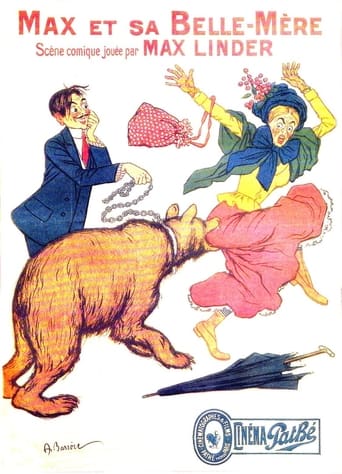
- Film debut in Max and His Mother-in-Law (1911)
- Breakthrough role as Dathan in The Ten Commandments (1923)
- Appeared in The Merry Widow (1925)
- Starred in The Eagle (1925)
- Successfully transitioned from silent films to talkies
- Appeared in over 80 films throughout his career
- Worked with director Cecil B. DeMille
- Maintained active career in French cinema through the 1930s and 1940s
Best Known For
Iconic Roles
Must-See Films
Accolades
Special Recognition
- Recognized as a significant character actor of the silent era
Working Relationships
Worked Often With
Studios
Why They Matter
Impact on Culture
Charles De Rochefort contributed significantly to the development of the character actor archetype in early cinema, particularly in epic productions. His portrayal of Dathan in The Ten Commandments helped establish the template for the rebellious subordinate in biblical and historical epics, influencing how such characters would be portrayed for decades. As one of the few French actors to successfully work in both European and Hollywood productions during the silent era, he helped bridge the gap between different cinematic traditions. His ability to convey complex emotions through silent performance techniques demonstrated the artistry possible in pre-sound cinema. De Rochefort's career exemplifies the international nature of early film production and the importance of character actors in supporting leading performers and driving narrative tension.
Lasting Legacy
Charles De Rochefort's legacy endures through his memorable performances in classic silent films, particularly his iconic role as Dathan in The Ten Commandments, which remains. Film historians and silent cinema enthusiasts continue to appreciate his contributions to the art of screen acting without dialogue. His work serves as an example of the sophisticated acting techniques developed during the silent era, where performers had to rely entirely on visual storytelling. De Rochefort represents the generation of actors who helped establish cinema as a legitimate art form, transitioning from theatrical traditions to create a new medium of performance. His international career also highlights the global nature of early film production before the dominance of Hollywood limited such cross-cultural exchanges.
Who They Inspired
De Rochefort influenced subsequent generations of character actors, particularly those specializing in villainous or aristocratic roles. His expressive style in silent films demonstrated how supporting characters could leave lasting impressions even without extensive screen time. His work in epic productions helped establish the importance of well-cast supporting characters in creating believable dramatic worlds. Contemporary actors studying silent film techniques often reference performances like his as examples of effective non-verbal storytelling. His success in both French and American cinema paved the way for other European actors seeking international careers during the formative decades of film.
Off Screen
Limited public information is available about Charles De Rochefort's personal life, which was common for actors of his era who maintained privacy despite their public careers. He spent his later years in France, returning to his home country after his international film work. He passed away in Paris in 1952 at the age of 64, closing the chapter on a career that spanned the formative decades of cinema.
Education
Family
- Information not readily available
Did You Know?
- His full birth name was Charles Auguste Anselme Léon Étienne De Rochefort
- He appeared in over 80 films during his 35-year career
- Despite being French, he successfully worked in Hollywood during the silent era
- His role as Dathan in The Ten Commandments was particularly memorable though it was a supporting part
- He began his career working with French comedy pioneer Max Linder
- De Rochefort was one of the few actors who successfully transitioned from European to American cinema in the 1920s
- His aristocratic appearance often typecast him in roles of nobility or authority
- He continued acting in French films through World War II
- His performance style was influenced by his theatrical background
- He worked during the transition from silent films to sound, adapting his technique accordingly
In Their Own Words
Information about specific quotes from Charles De Rochefort is not readily available from historical records, which was common for supporting actors of the silent era who rarely gave interviews or had their dialogue documented
Frequently Asked Questions
Who was Charles De Rochefort?
French with credits in this catalog. He was known for his aristocratic bearing and commanding screen presence, often playing authority figures or villains. His most famous role was as Dathan in Cecil B. DeMille's The Ten Commandments (1923).
What films is Charles De Rochefort best known for?
Titles linked here include The Ten Commandments (1923), The Merry Widow (1925).
When was Charles De Rochefort born and when did he die?
Born July 7, 1887; died January 2, 1952.
What awards did Charles De Rochefort win?
There are no documented major awards or nominations for Charles De Rochefort, which was common for character actors of the silent era when many modern award systems did not exist. His recognition came primarily from critics and audiences who appreciated his memorable performances in supporting roles.
What was Charles De Rochefort's acting style?
De Rochefort's acting style was characterized by theatrical expressiveness and commanding physical presence typical of the silent era. He used exaggerated facial expressions and body language to convey emotions without dialogue, drawing from his stage background. His aristocratic bearing made him particularly effective in roles requiring authority or menace.