Mary Treen
Actor
- Born
- December 12, 1907, Dubuque, Iowa, United States
- Died
- July 12, 1989
- Active
- 1930s-1960s
- Birth name
- Mary Louise Summers
Films 1
About Mary Treen
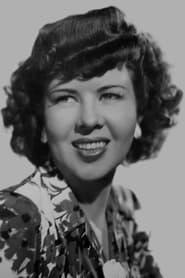
Mary Treen was an American character actress whose career spanned from the early sound era through the 1960s, with her most familiar screen work coming in light comedies, domestic roles, and supporting parts that helped define the texture of studio-era Hollywood. Born Mary Louise Summers in Dubuque, Iowa, she moved into acting as a young woman and eventually found steady work in film after beginning on the stage and in vaudeville. Treen became a reliable supporting player at Warner Bros. and other studios, often cast as secretaries, nurses, waitresses, friends, and practical-minded women whose comic timing and plainspoken presence made her memorable even in brief scenes. She was especially effective in ensemble comedies and romantic pictures, where she brought a warm, no-nonsense personality that contrasted with more glamorous leading characters. Among her better-known screen appearances are roles in Going My Way, The Harvey Girls, The Bachelor and the Bobby-Soxer, and others from the 1940s and 1950s, including later work in television. Although she was never a top-billed star, she became one of those indispensable Hollywood professionals whose familiar face anchored many classic films and gave them everyday credibility. Her career reflects the importance of character actors in Golden Age cinema, where supporting performances often shaped the tone and rhythm of the entire production.
More about Mary Treen
On screen
Mary Treen's acting style was grounded, natural, and lightly comic, with an emphasis on timing rather than broad exaggeration. She specialized in the sort of everyday realism that made supporting characters feel lived-in and believable, often portraying women who were efficient, sensible, and socially alert. Her performances typically relied on facial expression, crisp line delivery, and an intuitive sense of rhythm, allowing her to register quickly and effectively even in short scenes. She was particularly good at playing off more glamorous or dominant personalities, serving as a steady, relatable counterpoint within ensemble comedies and domestic dramas.
In film history
Mary Treen's cultural impact lies in the essential but often under-credited world of Hollywood character acting. She embodied a type of mid-century American womanhood that audiences instantly recognized: sensible, efficient, approachable, and often quietly funny. In doing so, she helped populate classic films with the ordinary social world that made studio pictures feel authentic, whether she was playing a friend, coworker, housekeeper, nurse, or shopgirl. Her performances contributed to the ensemble craftsmanship that was central to Golden Age filmmaking, where supporting players were often as important as stars in creating a film's tone and believability.
Later reputation
Treen's legacy is that of a consummate professional whose filmography illustrates how much classic Hollywood depended on strong supporting actors. While not usually singled out as a marquee name, she left a durable impression through consistency, warmth, and comic precision. Viewers of mid-century American cinema still encounter her in films that remain staples of repertory programming and television broadcasts, which preserves her image as one of the dependable familiar faces of the era. Her career also serves as a reminder that the history of classic cinema is built not only on stars and auteurs but also on skilled character actors who gave depth to the margins of the frame.
Influence
Mary Treen influenced the perception of the Hollywood supporting actress as someone who could be both comic and credible without dominating the scene. Her work helped define a standard for practical, unglamorous female roles in studio-era comedies and melodramas, showing that such parts could be memorable through timing and personality rather than star power. Later generations of character actresses in film and television followed a similar path, building careers on versatility, clarity of characterization, and the ability to make small roles resonate. Her screen presence remains a model of efficient, professional supporting performance.
Off screen
Mary Treen kept a comparatively private personal life by Hollywood standards, and available biographical accounts emphasize her work more than her off-screen publicity. She was born Mary Louise Summers and later used the professional name Mary Treen in show business. She married actor and comedian Roy Treen, from whom she appears to have taken her stage surname, though detailed documentation of her private family life is limited in readily available classic-film references. She did not become known for a celebrity-heavy personal life or public scandals, and her reputation in the industry was that of a steady working actress rather than a tabloid figure.
Education
Specific formal educational details are not widely documented in readily available classic-cinema sources; she is generally described as having entered performance work through stage and entertainment experience rather than through a highly publicized academic path.
Credits
- Built a long career as a dependable character actress in Hollywood films and later television, specializing in comic and domestic supporting roles.
- Appeared in several well-known studio-era films including Going My Way, The Harvey Girls, The Bachelor and the Bobby-Soxer, and other popular features of the 1940s and 1950s.
- Developed a recognizable screen persona as a witty, practical, personable supporting player who could add humor and realism to ensemble casts.
- Worked steadily across multiple studios during the Golden Age, demonstrating the versatility that kept character actors in demand across genres.
Roles
- Martha in Going My Way
- A practical supporting friend or colleague in studio-era comedies and domestic farces
- Nurse, secretary, or working woman roles that emphasized her plainspoken comic realism
Films
- Going My Way (1944)
- The Harvey Girls (1946)
- The Bachelor and the Bobby-Soxer (1947)
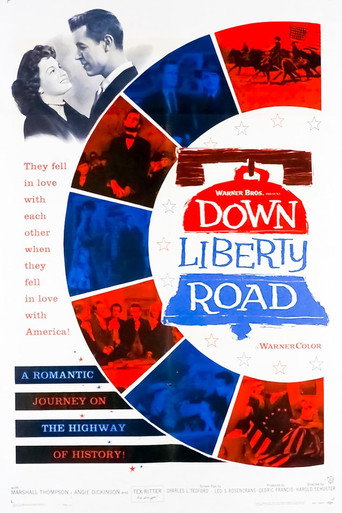
- Down Liberty Road (1956)
Collaborators
- Bing Crosby
- Director Leo McCarey
- Other ensemble cast members in 1940s-1950s studio comedies and dramas
Studios
- Warner Bros.
- MGM
- Universal Pictures
- Paramount Pictures
Family
- Roy Treen
Notes
- She was born Mary Louise Summers but worked professionally as Mary Treen.
- She is often remembered as a classic character actress rather than a leading lady.
- Her roles frequently cast her as secretaries, nurses, friends, or other practical working women.
- She appeared in Going My Way, a major hit that won the Academy Award for Best Picture.
- Her screen persona was especially effective in comedies, where her dry timing and everyday realism stood out.
- She worked steadily in both films and later television, demonstrating unusual longevity for a supporting player.
- Her career is a good example of the importance of ensemble casting in Golden Age Hollywood.
- She remained largely out of the scandal-driven publicity system that surrounded many stars of her era.
Questions
Who was Mary Treen?
Mary Treen was an American character actress best known for appearing in supporting roles in classic Hollywood films. She was valued for her comic timing, warm screen presence, and ability to make small parts feel vivid and believable.
What films is Mary Treen best known for?
She is especially remembered for Going My Way, The Harvey Girls, The Bachelor and the Bobby-Soxer, and other studio-era comedies and dramas. Her filmography also includes later work such as Down Liberty Road.
When was Mary Treen born and when did she die?
Mary Treen was born on December 12, 1907, in Dubuque, Iowa, United States, and she died on July 12, 1989. She lived through much of the studio era and into the television age.
What awards did Mary Treen win?
No major acting awards or nominations are prominently recorded for Mary Treen in standard reference sources. Her reputation rests more on steady professional work and her strong supporting performances than on formal awards recognition.
What was Mary Treen's acting style?
Her acting style was natural, concise, and lightly comic, with a strong emphasis on believable character detail. She often played sensible, plainspoken women and used timing, expression, and understated delivery to leave a lasting impression.
What was Mary Treen's legacy in film history?
Her legacy is that of a classic Hollywood character actress who helped define the texture of studio-era films. She represents the many talented supporting performers whose work made old Hollywood feel socially complete and dramatically convincing.