Down Liberty Road
Plot
Down Liberty Road is a modestly mounted 1956 road drama built around a Greyhound bus journey across the United States, using the travelogue structure to move from landmark to landmark while the passengers’ conversations reveal their backgrounds, anxieties, and personalities. Among the travelers are a grieving father of a soldier killed in the Korean War and several lightly satirical, C-list show-business types who supply comic or self-important commentary as the bus rolls onward. As the trip continues, the film alternates between broadly drawn character sketches and a series of historically dubious or exaggerated explanations of American landmarks, creating a tone that is part melodrama, part postwar Americana collage. The bus ride functions as a symbolic cross-section of mid-1950s America, bringing strangers together in a confined space where grief, vanity, patriotism, and nostalgia collide. Rather than building toward a large-scale plot twist, the film relies on the cumulative effect of the passengers’ stories and the slightly offbeat premise of an all-American journey whose historical anecdotes are as unreliable as they are earnest.
About the Production
Down Liberty Road was produced as a low-budget 1950s studio programmer, characteristic of Monogram Pictures' efficient, quickly mounted production model. The film appears to have been designed as a modest prestige-drama/travelogue hybrid, relying more on dialogue, character types, and the concept of an American bus journey than on elaborate sets or location shooting. Documentation on the film is limited, which is typical for minor studio releases from the period, and detailed production records such as exact budget, box office, and shooting schedule are not readily available in surviving public sources. Harold D. Schuster, a veteran director of economical B pictures and studio assignments, was well suited to this kind of compact production. The film’s mixture of melodrama and light satire suggests it was intended to be commercially accessible rather than formally ambitious.
Historical Background
Down Liberty Road was made in 1956, at a moment when the United States was deep in the postwar suburban and highway boom, and mass automobile and bus travel had become symbols of mobility, modernity, and national cohesion. American cinema in this period often reflected anxieties and optimism about travel, economic expansion, and the changing social landscape, especially in films that used roads, trains, or buses as miniature social worlds. The Korean War had ended only a few years earlier, and the presence of a grieving father of a fallen soldier situates the film within the emotional aftershocks of that conflict and the broader climate of Cold War patriotism. The landmark-touring structure also taps into a mid-century educational-entertainment tradition in which films lightly dramatized American geography, history, and identity for popular audiences. As a minor studio production, it also represents the tail end of the classic B-picture system, just before television and changing distribution patterns further eroded the market for such compact theatrical features.
Why This Film Matters
The film’s cultural significance lies less in major box-office impact than in what it reveals about mid-1950s American popular culture: a fascination with the nation as a traveled space, a willingness to mix sentiment with lightly comic Americana, and a habit of turning history into accessible entertainment. Its bus-journey format makes it a small-scale social document, gathering together figures who embody different kinds of postwar American identity, from bereavement and patriotism to celebrity and opportunism. Because it is a relatively obscure title, it is more valuable today as an example of studio-era programming and as a piece of period texture than as a canonical work. It also has interest for fans of early appearances by later-known performers such as Angie Dickinson, and for historians examining the output of Monogram/Allied Artists in the final years of the classic studio era. In that sense, the film stands as a representative artifact of mid-century popular filmmaking, even if it did not reshape cinema on its own.
Making Of
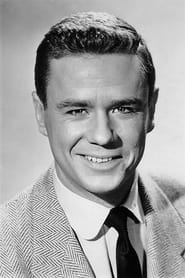
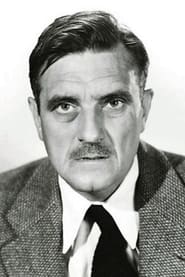
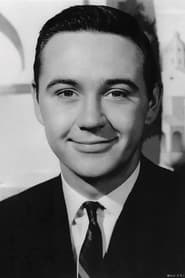
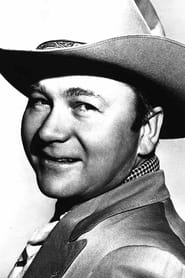
Down Liberty Road was shaped by the practical realities of mid-1950s low-budget studio filmmaking, where a director like Harold D. Schuster would be expected to deliver a complete feature efficiently with limited resources. The film's bus-bound concept is production-friendly: it keeps the narrative centered on a moving interior, which reduces the need for expensive sets and extensive location work while still allowing the illusion of a cross-country trip. Monogram Pictures, later associated with low-cost genre pictures under the Allied Artists banner, often specialized in films that could be made quickly and marketed on their premise rather than on spectacle. Casting Marshall Thompson and Angie Dickinson would have offered the film recognizable faces without the cost of top-tier stars, and the inclusion of Charles Maxwell and other character players helped populate the bus with distinct personalities. Surviving public records do not provide extensive anecdotal production lore, but the film clearly fits the pattern of studio-era efficient filmmaking where script structure, cast chemistry, and strong concept were prioritized over elaborate production values.
Visual Style
The cinematography is likely functional and economical, emphasizing clarity of dialogue, efficient coverage of the bus interior, and straightforward presentation of scenic transitions or landmark material. As with many low-budget 1950s productions, the visual style probably favors medium shots, simple setups, and practical framing that keeps the ensemble visible and the narrative moving. The film’s road-movie premise may have encouraged insert shots or stock-style imagery for landmarks, but the overall approach would have been shaped by studio efficiency rather than elaborate visual flourishes. Any visual interest would come primarily from the contrast between the tight confinement of the bus and the open symbolism of the American landscape outside it.
Innovations
The film does not appear to be known for major technical innovations. Its main technical achievement is structural: it uses a confined travel setting to simulate a broad cross-country canvas on a limited budget. The premise likely required careful editing and economical staging to maintain the illusion of motion and variety while keeping production costs low. In that sense, it is a practical example of studio-era efficiency rather than a showcase for new cinematic techniques.
Music
Specific score information is not readily documented in widely available sources. As a 1950s studio programmer, the film likely uses a conventional orchestral underscore to support sentiment, transitions, and moments of reflection, with music functioning primarily as atmosphere rather than as a standout thematic element. If any source songs or patriotic motifs appear, they would likely serve the film’s travel-and-American-identity framework. Detailed composer credits and cue information are not consistently available in surviving public references.
Famous Quotes
No reliably documented widely cited quotes are available from surviving public references for this film.
Historically, the film is more notable for its premise than for quotable lines preserved in common circulation.
Memorable Scenes
- The extended Greyhound bus journey that serves as the film’s central framing device, with passengers trading stories and opinions as the landscape changes around them.
- The moments in which passengers offer dubious or exaggerated explanations of famous landmarks, turning American history into an informal, unreliable travel lecture.
- The emotionally charged exchanges involving the grieving father of a fallen soldier, which ground the film’s lighter satirical tone in postwar sorrow.
- The ensemble interactions among the bus riders, which create a miniature portrait of mid-1950s American personalities.
Did You Know?
- The film was released by Monogram Pictures, a company known for economical productions and fast turnaround schedules.
- Its road-movie structure allows the story to function as a series of vignettes rather than a conventional single-plot drama.
- The premise of passengers offering dubious historical summaries of landmarks gives the film an unusually playful, semi-satirical angle for a 1950s drama.
- Marshall Thompson and Angie Dickinson appear in one of the earlier phases of their screen careers, before both became much better known for later film and television work.
- The movie reflects the postwar American fascination with travel, tourism, highways, and cross-country identity.
- Like many minor studio releases of the era, it has relatively sparse documentation compared with major studio productions.
- The film’s short running time is consistent with a B-movie or second-feature presentation model.
- Its combination of grief, patriotism, and show-business satire makes it an unusual blend of emotional tones.
What Critics Said
Contemporary critical coverage for Down Liberty Road appears to have been limited, which is common for small studio releases without major stars or large advertising campaigns. The film does not seem to have generated a substantial body of mainstream critical discussion at the time, and it is largely absent from the kind of detailed reviews that accompanied prestige releases. In retrospect, viewers and film historians tend to approach it as a curiosity: a compact, lightly satirical road picture with an unusual premise and a cast that includes performers who later became more familiar. Modern reception is therefore largely contextual rather than rapturous, with interest focused on its period flavor, its efficient construction, and its value as an example of low-budget 1950s American cinema.
What Audiences Thought
Audience reception data is scarce, and no reliable nationwide box-office breakdown or audience polling appears to be readily available. As a modest Monogram release, it was likely aimed at general theatrical audiences seeking a short, accessible dramatic feature rather than event cinema. Its appeal would have depended on the strength of its premise, the relatability of its passenger types, and the appeal of seeing a cross-country American journey dramatized in compact form. Today, the film's audience is likely limited to classic-film enthusiasts, researchers, and viewers interested in obscurities from the 1950s studio system. For that audience, it functions as an intriguing time capsule more than as a widely known crowd favorite.
Film Connections
Influenced By
- Classic road and travelogue cinema
- Postwar American melodramas
- Variety-style ensemble storytelling
- Popular magazine-style Americana and tourist culture
This Film Influenced
- No clearly documented direct influence has been established
- Later ensemble road and travel films with vignette structures may share a similar approach
You Might Also Like
More Drama Films
View allFilm Restoration
The film is apparently extant and circulates in archival or niche classic-film contexts rather than being widely restored; no major restoration campaign is widely documented in public sources. It is not generally regarded as lost. Surviving availability may depend on archival holdings, collector copies, or specialty distribution rather than mainstream release.