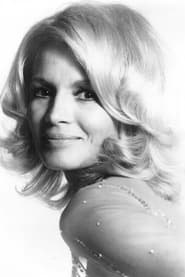
Angie Dickinson
Actor
- Born
- September 30, 1931, Kulm, North Dakota, USA
- Active
- 1954-present
- Birth name
- Angeline Brown
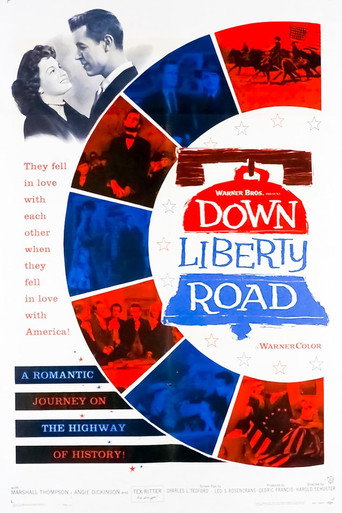
Films 1
About Angie Dickinson
Angie Dickinson is an American actress best known for her long, versatile screen career in film and television, which began in the mid-1950s and made her one of the defining glamour figures of postwar Hollywood. Born Angeline Brown in Kulm, North Dakota, she moved with her family to Southern California, where she later studied business before turning to acting and entering entertainment through beauty pageants and television exposure. Her film debut came in the mid-1950s, and she quickly attracted attention with her poised screen presence, husky voice, and ability to project both toughness and vulnerability. During the 1950s and 1960s she appeared in a wide range of films, including westerns, dramas, and thrillers, and she became especially well known for sophisticated, sexually independent roles that fit the evolving image of the modern Hollywood woman. Her career reached a major peak with performances in Rio Bravo and later in Big Bad Mama, but she is also widely remembered for her television work, especially as the star of Police Woman in the 1970s. Over several decades she maintained a reputation as a stylish, intelligent leading lady whose screen persona bridged classic studio-era glamour and more contemporary feminist sensibilities. Although she is not a silent-era or early-talkies figure, she remains a significant classic Hollywood personality from the late studio era and one of the most recognizable actresses of her generation.
More about Angie Dickinson
On screen
Angie Dickinson's acting style is marked by a cool, controlled screen presence combined with warmth, wit, and an understated emotional directness. She often played women who were intelligent, self-possessed, and alluring without seeming passive, and she could shift easily between glamour, toughness, and vulnerability. In film and television, she excelled at roles that required a modern, independent attitude, often using subtle facial expression, dry delivery, and relaxed confidence rather than broad theatricality. Her voice, timing, and physical poise helped her stand out in both ensemble casts and star-driven vehicles, making her effective in everything from romantic drama to crime and action stories.
In film history
Angie Dickinson became an important symbol of changing female representation in American screen culture. In the 1950s and 1960s she projected a kind of glamour that was less overtly decorative and more self-possessed than many earlier studio-era stars, helping to define a modern style of womanhood on screen. Her role in Police Woman was especially influential, because it placed a woman in the center of a mainstream crime series at a time when such parts were still relatively uncommon, and it helped normalize the idea of women as professionals in action-oriented television narratives. She also became a style icon, admired for her fashion, poise, and the cool confidence that made her appealing to both classic Hollywood audiences and later generations.
Later reputation
Dickinson's legacy rests on her ability to bridge the old studio system and the emerging modern era of Hollywood and television. She is remembered as one of the most durable screen beauties of her generation, but her importance goes beyond glamour: she helped shape the image of the competent, independent woman in mainstream entertainment. Her work in Rio Bravo, Ocean's 11, The Killers, and Police Woman ensured that she remained visible across multiple entertainment eras, from the studio western to the 1970s network crime drama. Today she is regarded as a key figure in mid-century American popular culture and an actress whose presence helped broaden the range of roles available to women on screen.
Influence
Angie Dickinson influenced later actresses by demonstrating that a female star could be both glamorous and authoritative, sensual and practical, without sacrificing screen credibility. Her performance in Police Woman helped pave the way for later television series centered on competent women in law enforcement and action-adventure settings. In film, her measured, knowing style influenced the casting of women in crime films and neo-noirs who were expected to project intelligence and autonomy rather than simply serving as romantic interests. She also contributed to the broader cultural shift toward mature, independent female leads in mainstream American entertainment.
Off screen
Angie Dickinson was born Angeline Brown to parents Leo Henry Brown and Frederica Brown and grew up in Southern California after her family relocated from North Dakota. She married composer and arranger Gene Dickinson in 1952, and although the marriage ended, she retained the professional surname Dickinson. She later married prominent football player and executive Burt Bacharach in 1965, and their marriage became one of Hollywood's notable celebrity unions before ending in divorce in 1981. Their daughter, Lea Nikki Bacharach, was born in 1966 and later became a central part of Dickinson's family life. Dickinson has also been associated in the public imagination with various high-profile friendships and romances, but her professional identity has always remained central to her public image. She attended Los Angeles area schools and later studied business before becoming an entertainer.
Education
Attended schools in Southern California and studied business at Immaculate Heart College and/or Glendale area institutions before entering entertainment; she later transitioned into performance through pageants and television opportunities.
Credits
- Broke into film and television in the mid-1950s after early exposure through pageants and television appearances
- Gained wide recognition for her performance in Howard Hawks's Rio Bravo (1959), opposite John Wayne, Dean Martin, and Ricky Nelson
- Established herself as a glamorous and capable leading actress in films such as Ocean's 11 (1960) and The Killers (1964)
- Starred in the landmark television police drama Police Woman (1974-1978), becoming one of the first major female action/authority figures in a prime-time series
- Received Golden Globe recognition and became one of the best-known actresses of the 1960s and 1970s
- Continued working in film and television for decades, demonstrating long-term versatility across genres including westerns, crime stories, comedies, and dramas
Roles
- Feathers in Rio Bravo
- Marge/Ginny in Ocean's 11
- Rita in The Killers
- Suzanne Llyod in Big Bad Mama
- Sgt. Pepper Anderson in Police Woman
Films
- Rio Bravo (1959)
- Ocean's 11 (1960)
- The Killers (1964)
- Point Blank (1967)
- Big Bad Mama (1974)
Awards
- Golden Globe Award for Best TV Star - Female for Police Woman
- Golden Globe nominations for her work in film and television across the 1960s and 1970s
- Emmy Award recognition for her television work
- Star on the Hollywood Walk of Fame
Nominations
- Primetime Emmy Award nominations for her television performances
- Golden Globe nominations for Police Woman and other screen work
- BAFTA recognition and nominations associated with her major film performances
Honors
- Hollywood Walk of Fame star
- International recognition as one of television's earliest major female action leads
- Frequently cited as an important screen icon of mid-century American cinema
Collaborators
- Howard Hawks
- John Wayne
- Dean Martin
- Burt Bacharach
- Elvis Presley
- Frank Sinatra
Studios
- Warner Bros.
- Columbia Pictures
- United Artists
- Paramount Pictures
Family
- Gene Dickinson (1952-1960s, marriage ended in divorce)
- Burt Bacharach (1965-1981)
Notes
- She was born Angeline Brown and adopted the surname Dickinson from her first husband professionally.
- Before becoming an actress, she gained attention through beauty pageants and television appearances.
- Her role as Sergeant Pepper Anderson in Police Woman made her one of the first major female stars of a prime-time action series.
- She appeared in Howard Hawks's Rio Bravo, one of the most beloved westerns of the studio era.
- She was often described as one of Hollywood's great glamour figures of the 1950s and 1960s.
- She worked in both film and television for many decades, adapting successfully to changing industry trends.
- Her marriage to Burt Bacharach made her part of one of the most famous celebrity couples of the era.
- She has remained a recognizable pop-culture figure long after her most active years in leading roles.
Quotes
I never thought of myself as a star. I just thought of myself as a working actress.
I was lucky to be in the right place at the right time with the right people.
Questions
Who was Angie Dickinson?
Angie Dickinson is an American actress born Angeline Brown, best known for her long career in film and television from the 1950s onward. She became a major star through roles in films like Rio Bravo and Ocean's 11 and later gained even wider fame as the lead in Police Woman.
What films is Angie Dickinson best known for?
Her best-known films include Rio Bravo, Ocean's 11, The Killers, Point Blank, and Big Bad Mama. These films showcase her range from western and crime drama to stylish ensemble adventure.
When was Angie Dickinson born and when did she die?
Angie Dickinson was born on September 30, 1931, in Kulm, North Dakota, USA. She is still living, so there is no death date.
What awards did Angie Dickinson win?
She won a Golden Globe Award for her work on Police Woman and received additional nominations for film and television performances. She also received a star on the Hollywood Walk of Fame and earned broad industry recognition for her long career.
What was Angie Dickinson's acting style?
Her style was cool, elegant, and self-possessed, with a blend of glamour and intelligence that made her especially effective in crime stories, westerns, and dramas. She often played women who were independent and emotionally strong, using subtlety and poise rather than overt melodrama.
What was Angie Dickinson's personal life like?
She was married twice, first to Gene Dickinson and later to Burt Bacharach, with whom she had one daughter, Lea Nikki Bacharach. Her private life drew media interest, but she was widely regarded as a disciplined professional whose career remained central.
What is Angie Dickinson's legacy in film and television?
Her legacy lies in helping redefine female stardom as intelligent, modern, and professionally authoritative. She remains important both as a classic Hollywood screen presence and as a pioneer for women in television action and crime programming.