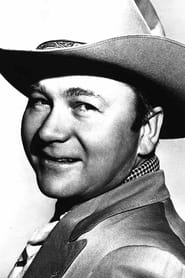
Tex Ritter
Actor
- Born
- January 12, 1905, Murvaul, Texas, USA
- Died
- January 2, 1974
- Active
- 1937-1956
- Birth name
- Woodward Maurice Ritter
Films 2
About Tex Ritter
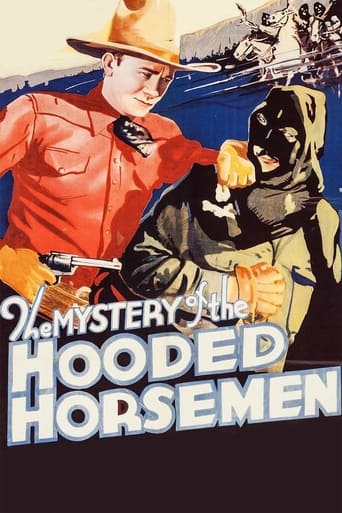
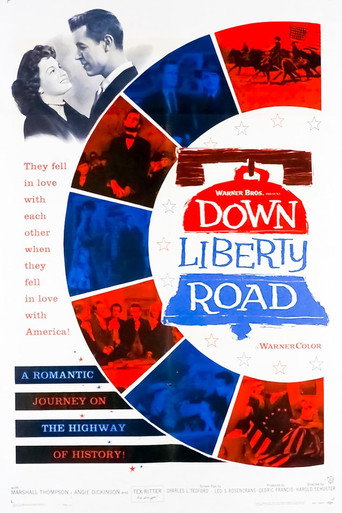
Tex Ritter was an American country music singer, songwriter, and actor whose screen career made him one of the best-known singing cowboys of the 1930s through the 1950s. Born Woodward Maurice Ritter, he began as a radio performer and recording artist before moving into motion pictures, where his deep voice, Western persona, and rugged screen presence made him a natural fit for low-budget B-Westerns and musical oaters. He became a familiar face to audiences in films such as The Mystery of the Hooded Horsemen and a long series of Westerns in which he typically played an upright, plainspoken hero who relied as much on song as on six-gun justice. Ritter's film career overlapped with an even larger impact in popular music, where he recorded songs that became standards and helped define the image of the singing cowboy in American entertainment. He remained active on screen through the 1950s, including later Western features like Down Liberty Road, while also continuing his music career and public performances. Beyond his own stardom, he became a major figure in country and Western entertainment through his family, especially as the father of actor and singer John Ritter. His career helped bridge early country music, radio, and Hollywood Westerns into a single enduring popular-image tradition.
More about Tex Ritter
On screen
Tex Ritter's acting style was straightforward, genial, and strongly rooted in Western folklore rather than psychological realism. He projected a sincere, morally certain screen presence that made him especially effective as a singing cowboy hero, often emphasizing charm, decency, and calm authority over dramatic complexity. His performances typically integrated song into the narrative, and his delivery favored a warm, measured cadence that matched his resonant baritone voice. He was not known for flamboyant characterization; instead, his appeal lay in authenticity, musicality, and a dependable screen persona that audiences could trust.
In film history
Tex Ritter was one of the key figures in making the singing cowboy a durable American entertainment archetype. At a time when Westerns were moving from silent frontier melodramas into sound-era musical vehicles, he helped define the commercial blend of heroism, rural sincerity, and song that audiences associated with the genre. His work on screen reinforced the idea that a cowboy could be both an action hero and a musical entertainer, a model that became central to countless B-Westerns and later television Westerns. Because his career also crossed into radio and recording, he helped normalize the idea of a star whose identity was built across multiple media platforms. His presence in popular culture also connected country music to Hollywood film stardom in a way that broadened the audience for both forms.
Later reputation
Ritter's legacy rests not only on the films he made but on the cultural template he helped establish for the singing Western hero. He remains an important name in classic Hollywood history because he represents the intersection of country music, radio, and B-picture filmmaking during the height of studio-era genre production. His influence can be seen in later generations of performers who blended music and screen acting, and in the continuing nostalgia for the wholesome singing-cowboy era of American entertainment. Through his son John Ritter, his family name also remained in the public eye long after the classic Western cycle had faded. In film history, Tex Ritter is remembered as a dependable genre star whose work embodied the popular values and entertainment style of mid-century American Westerns.
Influence
Tex Ritter influenced the singing cowboy subgenre by showing that a Western lead could be commercially successful as both a vocalist and a screen hero. His baritone delivery and unpretentious on-screen manner helped set a standard for later performers who needed to project authenticity rather than theatrical intensity. He also influenced the broader entertainment industry by modeling a cross-media career that moved fluidly between film, radio, recordings, and stage appearances. Later country and Western entertainers inherited the template he helped popularize, especially the idea that music and narrative action could be fused into one marketable persona.
Off screen
Tex Ritter was born Woodward Maurice Ritter in Murvaul, Texas, and grew up with the rural and musical background that later shaped his career identity. He married Dorothy Fay, who was also associated with the entertainment world, and their family became notable in American popular culture through their son, actor John Ritter. Ritter balanced family life with a demanding schedule of recording, broadcasting, touring, and acting, and he remained closely identified with the values and imagery of Western Americana. His personal image was generally public-facing and wholesome, in keeping with the family-friendly entertainment market in which he worked. He spent much of his life moving between music, film, and live performance rather than remaining confined to one industry.
Education
He attended local schooling in Texas and later studied at the University of Texas and Columbia University, though he ultimately pursued entertainment rather than a conventional academic career.
Credits
- Became one of the defining singing cowboys of classic Hollywood Westerns, combining film acting with a successful recording career
- Starred in numerous B-Westerns during the 1930s and 1940s, establishing a durable screen persona built around upright heroism and musical performance
- Appeared in The Mystery of the Hooded Horsemen (1937), an early film in his Western screen career, helping cement his place in the genre
- Remained active in film through the 1950s, including later Western titles such as Down Liberty Road (1956)
- Recorded popular songs that became closely associated with Western and country entertainment, extending his fame beyond the screen
- Helped popularize the singing cowboy archetype that influenced later film and television Western performers
- Appeared frequently in live radio, stage, and recording work, making him a multimedia entertainer rather than only a film actor
Roles
- The singing cowboy hero in his B-Western films
- Noble frontier lawman and straight-shooting Western adventurer
- Musical Western protagonist who resolves conflict through courage and song
Films
- The Mystery of the Hooded Horsemen
- Down Liberty Road
- Song of the Gringo
- Frontier Town
- Riders of the Lone Star
- Rollin' Westward
Awards
- None widely documented as major competitive film awards
Nominations
- No major film award nominations are prominently documented
Honors
- Recognized as a pioneer of the singing cowboy tradition in American popular culture
- Inducted into the Country Music Hall of Fame
Collaborators
- Other singing cowboy performers and Western character actors in low-budget genre productions
- Country and Western recording artists in radio and stage performances
- Independent producers and directors specializing in B-Westerns
Studios
- Republic Pictures
- Monogram Pictures
- Producers Releasing Corporation
- various independent Western productions
Family
- Dorothy Fay (1932-1974)
Notes
- His birth name was Woodward Maurice Ritter, and he adopted 'Tex' as a performance name that emphasized his Texas roots.
- He was among the early major screen singing cowboys, alongside performers such as Gene Autry and Roy Rogers.
- His son John Ritter later became a major television and film star, making the Ritter name familiar to multiple generations of audiences.
- He worked in both music and film, and his recording career was at least as significant as his acting career.
- He was closely associated with the sound-era Western formula in which songs were woven into the plot of frontier adventures.
- His screen roles were generally heroic and wholesome, fitting the family entertainment market of Republic and similar studios.
- He appeared in numerous low-budget Westerns, which were a central part of Hollywood's genre economy during the 1930s through 1950s.
- He was born and raised in Texas, and his public persona strongly emphasized that regional identity.
- He helped establish the cultural image of the cowboy as a singer and storyteller, not merely a gunfighter.
- Although most famous as a singer-actor, he also worked extensively in radio and live performance.
Quotes
No reliably sourced, universally cited signature quotation is prominently associated with Tex Ritter in standard film references.
His public persona and recorded performances are better documented than any single definitive film quote.
Questions
Who was Tex Ritter?
Tex Ritter was an American actor and country music singer best known as one of the classic singing cowboys of Hollywood's Western era. He combined a film career with radio and recording success, becoming a recognizable entertainment figure in the 1930s through the 1950s.
What films is Tex Ritter best known for?
He is best known for B-Westerns and singing-cowboy vehicles such as The Mystery of the Hooded Horsemen and later Westerns like Down Liberty Road. His broader filmography includes many low-budget frontier adventures that emphasized both action and musical performance.
When was Tex Ritter born and when did he die?
Tex Ritter was born on January 12, 1905, in Murvaul, Texas, USA. He died on January 2, 1974.
What awards did Tex Ritter win?
He is not prominently documented as a major competitive film-award winner. His most significant formal recognition is his induction into the Country Music Hall of Fame, reflecting his importance as a performer and cultural figure.
What was Tex Ritter's acting style?
His acting style was sincere, plainspoken, and strongly tied to the wholesome Western hero image. He relied on his warm baritone voice and calm authority rather than dramatic intensity, which made him especially effective in singing cowboy roles.
What was Tex Ritter's legacy in film history?
Tex Ritter helped define the singing cowboy tradition that became a major part of American popular cinema. His work linked country music with Hollywood Westerns and influenced later performers who blended music, film, and regional identity.