David Hartford
Actor & Director
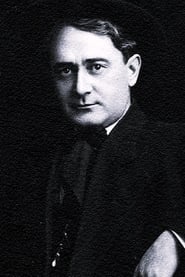
Born: January 11, 1873 in New York, New York, USA Died: October 10, 1932 Active: 1914-1920 Birth Name: David J. Hartford
Films
3 films
About David Hartford
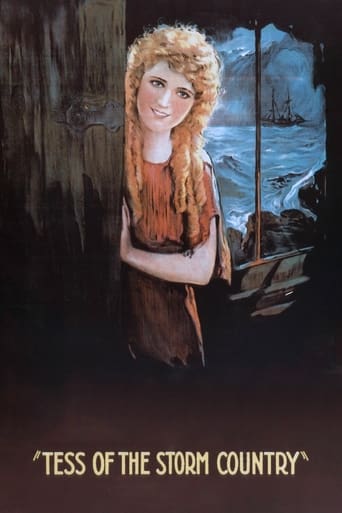
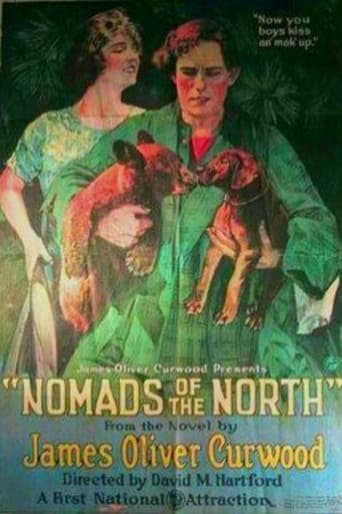
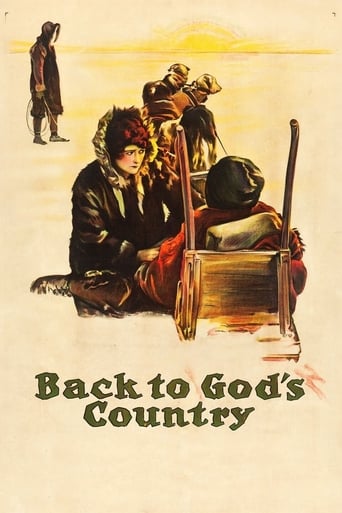
Made significant contributions to silent cinema during the transitional period of the 1910s. Beginning his career as an actor, Hartford appeared in notable films including 'Tess of the Storm Country' (1914) before transitioning to directing around 1919. His directorial debut with 'Back to God's Country' (1919) became successful Canadian films of the silent era, showcasing his talent for outdoor adventure narratives and strong female protagonists. Hartford continued his directing career with films like 'Nomads of the North' (1920), often working on location in rugged wilderness settings to create authentic atmospheres. His brief but impactful the crucial period when American cinema was evolving from independent productions to the studio system. Hartford married actress Nell Shipman, with whom he collaborated professionally, though their partnership eventually ended in divorce. After his directing career concluded in the early 1920s, Hartford largely disappeared from the film industry, leaving behind a legacy of adventurous outdoor films that helped shape early Canadian cinema.
The Craft
On Screen
Hartford's acting style, typical of the silent era, emphasized exaggerated gestures and facial expressions to convey emotion without dialogue. His performances in early films like 'Tess of the Storm Country' demonstrated the melodramatic approach common in pre-1920s cinema, where actors relied heavily on physicality and expressive techniques to communicate with audiences.
Behind the Camera
Hartford's directing style emphasized outdoor adventures and natural settings, often filming on location to create authentic wilderness atmospheres. His films typically featured strong female protagonists and incorporated elements of melodrama with action sequences. Hartford had a particular talent for showcasing the rugged beauty of natural landscapes, particularly in his Canadian-set productions, techniques in location shooting that were challenging for the era.
Milestones
- Acting debut in 'Tess of the Storm Country' (1914)
- Directorial debut with 'Back to God's Country' (1919)
- Directed 'Nomads of the North' (1920) starring Betty Blythe
- Collaborated frequently with actress Nell Shipman
- Successfully transitioned from acting to directing
- Created
Best Known For
Iconic Roles
Must-See Films
Accolades
Special Recognition
- Recognized as a pioneer of early Canadian cinema
- Noted for contributions to outdoor adventure film genre
Working Relationships
Worked Often With
Studios
Why They Matter
Impact on Culture
David Hartford made significant contributions to early Canadian cinema through his work on 'Back to God's Country,' which became. His emphasis on location shooting and natural settings helped establish conventions in outdoor adventure films that would influence later directors. Hartford's films often featured progressive elements for their time, including strong female protagonists who took action rather than waiting for rescue. His work exemplified the transitional period of American cinema when independent filmmakers could still compete with emerging studio productions, and his Canadian collaborations helped establish a foundation for the country's film industry.
Lasting Legacy
While Hartford's name is not widely remembered today, his films remain significant in the history of Canadian cinema. 'Back to God's Country' was groundbreaking for its time, featuring a strong female lead and what was considered a daring nude scene (though artfully filmed to avoid censorship). Hartford's work represents the entrepreneurial spirit of early filmmakers who operated outside the emerging studio system. His emphasis on outdoor adventures and location shooting influenced subsequent generations of filmmakers working in similar genres, particularly those specializing in wilderness and adventure narratives.
Who They Inspired
Hartford influenced the development of Canadian cinema through his successful collaboration with Nell Shipman and his focus on location-based storytelling. His approach to filming in natural settings predated the more elaborate location shooting techniques that would become standard in later decades. The strong female characters in his films, particularly in 'Back to God's Country,' represented an early example of progressive gender representation in cinema that would influence later filmmakers interested in creating more empowered female protagonists.
Off Screen
David Hartford married actress Nell Shipman, with whom he had both professional and personal collaborations. Their partnership was significant in early Canadian cinema, with Shipman often starring in Hartford's productions. The couple eventually divorced, and Hartford later remarried. His personal relationships often overlapped with his professional life, which was common in the early film industry.
Education
Educational background not documented in available sources
Family
- Nell Shipman (1919-1924)
- Second wife (dates unknown)
Did You Know?
- 'Back to God's Country' (1919) was
- The film featured what was considered a daring nude scene for its time, though artfully filmed
- Hartford married his leading lady, Nell Shipman, with whom he had both professional and personal relationships
- He often filmed on location in rugged wilderness settings, which was challenging for the era
- Hartford's directing career was relatively brief, spanning only about 5-6 years
- He began his film career as an actor before transitioning to directing
- 'Back to God's Country' was based on a story by James Oliver Curwood
- Hartford worked primarily outside the emerging studio system of Hollywood
- His films often featured strong female protagonists, which was somewhat progressive for the era
- After his directing career ended, he largely disappeared from the film industry
In Their Own Words
No documented famous quotes are available from David Hartford, which is common for figures from this early period of cinema history
Frequently Asked Questions
Who was David Hartford?
American actor and on YTB.my. He is best known for directing 'Back to God's Country' (1919),.
What films is David Hartford best known for?
Titles linked here include Back to God's Country (1919), Nomads of the North (1920).
When was David Hartford born and when did he die?
Born January 11, 1873; died October 10, 1932.
What awards did David Hartford win?
There are no documented formal awards or nominations for David Hartford, which was common for filmmakers of his era during the early days of cinema. However, he is recognized as a pioneer of early Canadian cinema and noted for his contributions to the outdoor adventure film genre.
What was David Hartford's directing style?
Hartford's directing style emphasized outdoor adventures and natural settings, often filming on location to create authentic wilderness atmospheres. His films typically featured strong female protagonists and incorporated elements of melodrama with action sequences, showcasing the rugged beauty of natural landscapes, particularly in his Canadian-set productions.