Films
3 films
About Kate Fabian
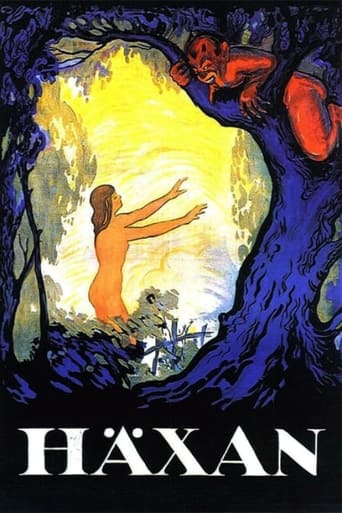
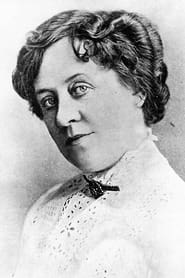
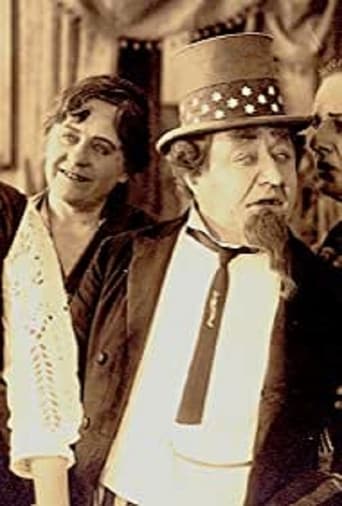
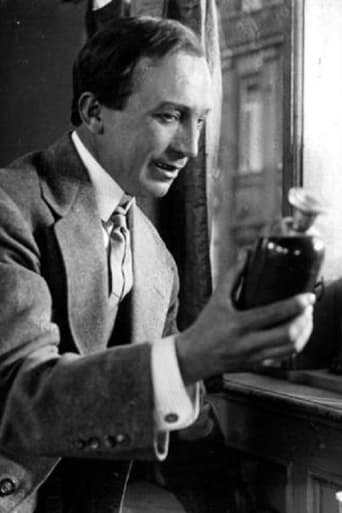
Danish actress who worked primarily during the silent film era of the 1910s and early 1920s. Her career, though relatively brief, spanned from 1916 to 1922, during which she appeared in several notable European productions. She is best remembered for her role in Benjamin Christensen's 1922 film 'Häxan' (The Witch), a documentary-style exploration of witchcraft and superstition throughout history. In this controversial and visually innovative film, Fabian portrayed one of the accused witches, contributing to the film's powerful and disturbing narrative. Her earlier work included appearances in romantic comedies like 'The Love Potion' (1916) and 'My Sister-in-Law from America' (1917), which showcased her versatility in different genres. Like many actors of the silent era, her career appears to have ended with the transition to sound films, a common fate for European actors whose accents or language skills limited their opportunities in international cinema. Her legacy endures primarily through her contribution to and controversial films of the silent era.
The Craft
On Screen
As a silent era actress, Kate Fabian employed the exaggerated gestures and facial expressions typical of the period, using physical performance to convey emotion and narrative without dialogue. Her role in 'Häxan' required her to portray both the terror and hysteria associated with witchcraft accusations, demonstrating her ability to handle dramatic and psychologically demanding material. In her earlier comedic roles, she likely utilized the slapstick and broad comedic timing popular in silent film comedy.
Milestones
- Appeared in the controversial and influential film 'Häxan' (1922)
- Worked in Danish cinema during the golden age of silent film
- Contributed to early horror/documentary hybrid filmmaking
- Appeared in multiple films between 1916-1922
- Part of the European silent film movement
Best Known For
Iconic Roles
Must-See Films
Working Relationships
Worked Often With
Studios
Why They Matter
Impact on Culture
Kate Fabian's most significant cultural impact comes through her participation in 'Häxan,'. The film was groundbreaking in its documentary approach to supernatural subjects and its graphic depiction of torture and witchcraft hysteria. Although her role was supporting, her performance contributed to the film's powerful and disturbing atmosphere that challenged audiences and censors alike. The film's influence can be seen in later horror and documentary filmmaking, and it remains studied in film schools for its innovative techniques and bold subject matter.
Lasting Legacy
Kate Fabian's legacy is primarily tied to her contribution to 'Häxan,' a film that has endured as a cult classic and an important milestone in horror and documentary cinema history. While she may not have achieved lasting fame as an individual performer, her work survives as part of a film that continues to be analyzed, restored, and discussed by film historians and enthusiasts. The film's preservation and continued relevance ensure that her performance remains accessible to modern audiences interested in the evolution of horror cinema and documentary filmmaking.
Who They Inspired
As a supporting actress in the early film industry, Kate Fabian's direct influence on other performers is difficult to trace. However, her participation in innovative projects like 'Häxan' contributed to the development of more sophisticated acting techniques in horror films, moving away from theatrical melodrama toward more naturalistic and psychologically nuanced performances. The film's success and notoriety helped pave the way for more serious treatment of supernatural themes in cinema.
Off Screen
Very little is documented about Kate Fabian's personal life, which was common for many supporting actors of the silent era who were not major stars. Like many actors of her time, she likely maintained a private life separate from her film career, and personal details were not extensively recorded in film publications or archives.
Did You Know?
- 'Häxan' was banned in several countries including the United States for its controversial content
- The film was originally a Swedish-Danish co-production, rare for its time
- In 'Häxan,' Fabian portrayed one of the women accused of witchcraft during the medieval period
- The film used documentary-style narration combined with dramatic reenactments
- 'Häxan' was considered extremely graphic for its time, showing torture and demonic visions
- The film was re-released in 1968 with a jazz score by Daniel Humair
- Director Benjamin Christensen also played the role of Satan in the film
- The film's title 'Häxan' is Swedish for 'The Witch'
- Many of the film's actors were unknown, adding to its documentary feel
- The film was partially inspired by the Malleus Maleficarum, a 15th-century witch-hunting manual
Frequently Asked Questions
Who was Kate Fabian?
Danish actress active during the silent film era from 1916 to 1922, best known for her role in the controversial horror film 'Häxan' (1922). She appeared in several European productions during her career, working primarily in Danish cinema.
What films is Kate Fabian best known for?
Titles linked here include Häxan (1922), The Love Potion (1916).
When was Kate Fabian born and when did she die?
Born 1895; died death date not listed.
What awards did Kate Fabian win?
There are no recorded awards or nominations for Kate Fabian, which was typical for many supporting actors of the silent era, particularly in European cinema where formal award systems were not as established as in Hollywood.
What was Kate Fabian's acting style?
As a silent era actress, Kate Fabian employed the physical and expressive acting style typical of the period, using exaggerated gestures and facial expressions to convey emotion. In 'Häxan,' she demonstrated dramatic range in portraying the terror of witchcraft accusations.