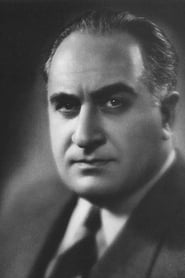
Mikhail Kalatozov
Director
Born: December 28, 1903 in Tiflis, Russian Empire (now Tbilisi, Georgia) Died: March 27, 1973 Active: 1928-1973 Birth Name: Mikhail Konstantinovich Kalatozov
Films
3 films
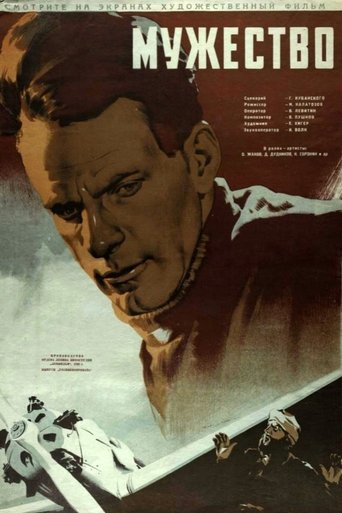
About Mikhail Kalatozov
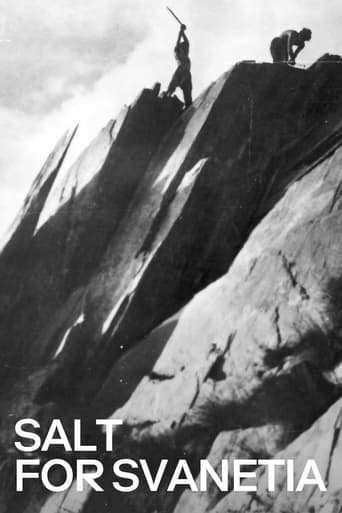
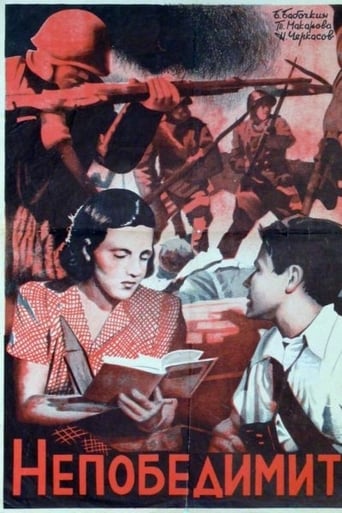
Mikhail Konstantinovich Kalatozov — Soviet film director renowned for his revolutionary cinematographic techniques and poetic visual style. Born in Tiflis (now Tbilisi), Georgia, he began his film career in the 1920s as an actor and cinematographer before transitioning to directing. His early documentary masterpiece 'Salt for Svanetia' (1930) established his reputation for visually striking and socially conscious filmmaking. During World War II, he created several propaganda films including 'The Invincible' (1942), showcasing his ability to blend artistic vision with political messaging. Kalatozov's international breakthrough came with 'The Cranes Are Flying' (1957), which won the Palme d'Or at Cannes and introduced his innovative camera techniques to global audiences. His subsequent films like 'Letter Never Sent' (1959) and the visually spectacular 'I Am Cuba' (1964) further demonstrated his mastery of long takes, tracking shots, and emotional storytelling. Despite facing political pressures throughout his career, Kalatozov maintained his artistic integrity and continued pushing cinematic boundaries until his death in 1973, leaving an indelible mark on world cinema.
The Craft
Behind the Camera
Kalatozov was renowned for his revolutionary cinematographic approach, characterized by extraordinarily long takes, complex tracking shots, and fluid camera movements that seemed to defy gravity. His visual poetry combined technical innovation with deep emotional resonance, often using sweeping crane shots and subjective camera perspectives to immerse viewers in the characters' experiences. He frequently employed natural elements—wind, water, fire—as active participants in his narratives, creating a symbiotic relationship between human drama and the natural world. His style blended documentary realism with lyrical expressionism, resulting in films that were both politically engaged and aesthetically groundbreaking.
Milestones
- Directed the documentary masterpiece 'Salt for Svanetia' (1930)
- Won Palme d'Or at Cannes for 'The Cranes Are Flying' (1957)
- Created the visually groundbreaking 'I Am Cuba' (1964)
- Pioneered innovative camera techniques including long takes and tracking shots
- Served as head of Mosfilm studio (1950-1955)
- Mentored influential cinematographer Sergei Urusevsky
Best Known For
Must-See Films
Accolades
Won
- Palme d'Or at Cannes Film Festival for 'The Cranes Are Flying' (1957)
- Best Director at Cannes Film Festival for 'The Cranes Are Flying' (1957)
- Order of the Red Banner of Labour (1950)
- People's Artist of the USSR (1969)
Nominated
- Golden Lion at Venice Film Festival for 'Letter Never Sent' (1960)
- Golden Globe for Best Foreign Language Film for 'The Cranes Are Flying' (1958)
Special Recognition
- People's Artist of the RSFSR (1950)
- Order of Lenin (1964)
- State Prize of the USSR (1941, 1951)
Working Relationships
Worked Often With
Studios
Why They Matter
Impact on Culture
Kalatozov fundamentally transformed the visual language of cinema with his innovative camera techniques and poetic approach to storytelling. His work during the Soviet era demonstrated how artistic expression could flourish even under restrictive political conditions, inspiring filmmakers worldwide to push technical and creative boundaries. 'The Cranes Are Flying' became an international sensation, proving that Soviet cinema could compete artistically with Western productions and winning the prestigious Palme d'Or. His masterpiece 'I Am Cuba', though initially unsuccessful, was rediscovered decades later and hailed as a revolutionary achievement in cinematography, influencing directors like Martin Scorsese and Francis Ford Coppola. Kalatozov's integration of documentary realism with lyrical expressionism created a new cinematic vocabulary that continues to influence contemporary filmmakers.
Lasting Legacy
Mikhail Kalatozov's legacy endures through his groundbreaking contributions to cinematic visual language and his masterful blending of technical innovation with emotional storytelling. His films, particularly 'The Cranes Are Flying' and 'I Am Cuba', are studied in film schools worldwide as examples of virtuosic cinematography and poetic cinema. The 'Kalatozov shot'—a complex, fluid camera movement that combines multiple perspectives in a single take—has become part of the cinematic lexicon. His ability to create deeply human stories within the constraints of the Soviet system demonstrated the power of artistic vision to transcend political limitations. Kalatozov's work continues to inspire contemporary directors seeking to combine technical mastery with emotional depth, cementing his status as one of cinema's true visual poets.
Who They Inspired
Kalatozov's revolutionary camera techniques directly influenced generations of filmmakers, from Soviet directors like Andrei Tarkovsky to international auteurs including Stanley Kubrick, Terrence Malick, and Alfonso Cuarón. His seamless long takes and fluid camera movements can be seen in films ranging from '2001: A Space Odyssey' to 'Children of Men' and 'Birdman'. The visual poetry of 'I Am Cuba' particularly influenced the New Hollywood movement, with directors like Francis Ford Coppola and Martin Scorsese championing the film's rediscovery in the 1990s. His integration of documentary techniques with narrative storytelling paved the way for the hybrid documentary styles of filmmakers like Werner Herzog and Abbas Kiarostami. Contemporary cinematographers continue to study his work for lessons in visual storytelling and technical innovation.
Off Screen
Kalatozov married actress and filmmaker Nadezhda Kemarskaya, who frequently collaborated with him on his films. The couple had one son, Georgy Kalatozov, who also worked in the film industry. Despite his prominence in Soviet cinema, Kalatozov maintained a relatively private personal life, focusing primarily on his artistic work. He survived the political purges of the Stalin era, though his career faced periodic challenges due to changing political winds and artistic restrictions.
Education
Studied at the Georgian State University of Theatre and Film in Tiflis, later attended the State Institute of Cinematography (VGIK) in Moscow
Family
- Nadezhda Kemarskaya (married 1930s)
Did You Know?
- Originally trained as an economist before turning to cinema
- His first film work was as an actor in silent comedies
- 'Salt for Svanetia' was initially banned for its bleak portrayal of rural life
- During WWII, he directed several combat documentaries while serving in the Red Army
- The famous bathtub scene in 'The Cranes Are Flying' was shot in a single take
- 'I Am Cuba' was co-produced with the Cuban government but was not shown in Cuba until decades later
- Served as Deputy Minister of Cinematography for the USSR from 1945-1948
- His camera techniques were so innovative that special equipment had to be invented
- Was a close friend of poet Boris Pasternak
- His final film 'The Red Tent' starred Sean Connery and Peter Finch
In Their Own Words
Cinema is not just an art, it's a truth machine that reveals the poetry of reality
The camera must dance like a ballerina—graceful, precise, and full of emotion
Every frame should be a painting, every cut a verse in the poem of cinema
We don't film life, we film the soul of life
The most powerful special effect is the human face in close-up
Frequently Asked Questions
Who was Mikhail Kalatozov?
Soviet on YTB.my. He is best known for winning the Palme d'Or for 'The Cranes Are Flying' and creating the visually groundbreaking 'I Am Cuba', establishing himself as one of cinema's great visual innovators.
What films is Mikhail Kalatozov best known for?
Titles linked here include Salt for Svanetia (1930), The Cranes Are Flying (1957).
When was Mikhail Kalatozov born and when did he die?
Born December 28, 1903; died March 27, 1973.
What awards did Mikhail Kalatozov win?
Kalatozov won the Palme d'Or and Best Director at the Cannes Film Festival for 'The Cranes Are Flying' in 1957. He also received the Order of the Red Banner of Labour, was named People's Artist of the USSR, and won multiple State Prizes for his contributions to Soviet cinema.
What was Mikhail Kalatozov's directing style?
Kalatozov's directing style was characterized by extraordinarily long takes, complex tracking shots, and fluid camera movements that created a poetic visual language. He blended documentary realism with lyrical expressionism, often using natural elements as active participants in his narratives to create emotionally powerful and technically innovative cinema.