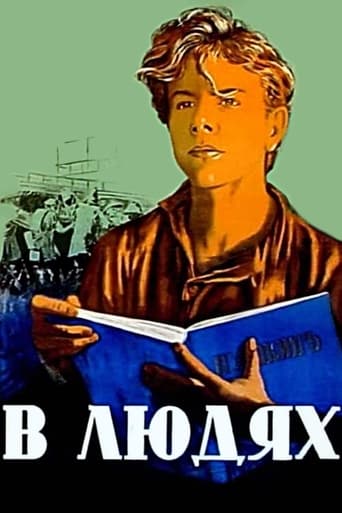
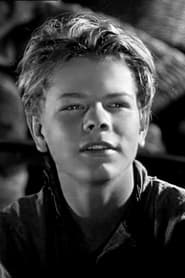
Films
2 films
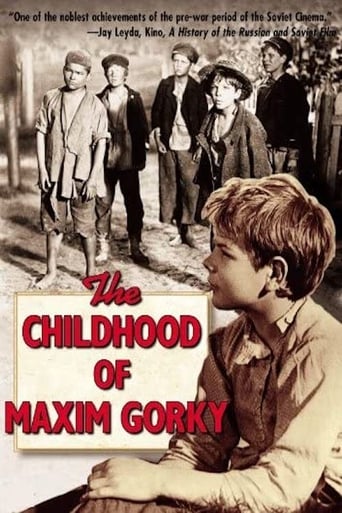
About Aleksei Lyarsky
Soviet child actor who achieved remarkable fame for his portrayal of the young Maxim Gorky in Mark Donskoy's acclaimed film trilogy. His career, though brief, on Soviet cinema with his powerful and authentic performance in 'The Childhood of Maxim Gorky' (1938), which was followed by 'My Apprenticeship' (1939). Lyarsky's natural acting style and striking resemblance to the young Gorky made him the perfect choice for these autobiographical adaptations. His performance captured the hardship and resilience of Gorky's childhood, resonating deeply with Soviet audiences and critics alike. Despite his young age, Lyarsky demonstrated remarkable emotional depth and technical skill in his portrayal. The films he starred in became classics of Soviet cinema, though his acting career appears to have been limited to these two productions. His legacy as the definitive young Gorky on screen has endured long after his brief time in the spotlight.
The Craft
On Screen
Naturalistic and emotionally authentic, Lyarsky brought a remarkable depth and sincerity to his portrayal of the young Maxim Gorky. Despite his youth, he demonstrated an ability to convey complex emotions and the harsh realities of his character's life with convincing realism. His performance style was notably understated yet powerful, avoiding melodrama while maintaining emotional impact.
Milestones
- Starred as young Maxim Gorky in 'The Childhood of Maxim Gorky' (1938)
- Reprised role in 'My Apprenticeship' (1939)
- Worked with acclaimed director Mark Donskoy
- Participated in landmark Soviet film trilogy
Best Known For
Iconic Roles
Must-See Films
Working Relationships
Worked Often With
Studios
Why They Matter
Impact on Culture
Aleksei Lyarsky's portrayal of the young Maxim Gorky had a significant cultural impact in the Soviet Union, helping to bring one of Russia's most beloved literary figures to life on screen. His performances in Donskoy's Gorky trilogy contributed to the canon of Soviet cinema classics and helped shape how generations of Soviet viewers visualized the celebrated writer's formative years. The films became educational tools in Soviet schools, with Lyarsky's face becoming synonymous with young Gorky for millions of viewers.
Lasting Legacy
Though his career was brief, Aleksei Lyarsky's legacy endures through his definitive portrayal of young Maxim Gorky. His performances remain the standard against which other adaptations of Gorky's early life are measured. The films he starred in continue to be studied as examples of Soviet realist cinema and are preserved as important cultural artifacts. Lyarsky represents the tradition of child actors in Soviet cinema who made lasting contributions despite limited careers.
Who They Inspired
Lyarsky's naturalistic approach to child acting influenced subsequent generations of Soviet child performers, demonstrating that young actors could handle complex, dramatic material without resorting to precocious mannerisms. His work in the Gorky trilogy set a benchmark for biographical performances in Soviet cinema, showing how actors could embody historical and literary figures with authenticity and emotional truth.
Off Screen
Very little is documented about Aleksei Lyarsky's personal life beyond his brief film career. As a child actor in the Soviet Union during the late 1930s, he was selected for the role of young Gorky based on his physical resemblance and natural acting ability. The circumstances of his selection and life after his film career remain largely undocumented in available sources.
Did You Know?
- Was discovered specifically for the role of young Gorky due to his striking resemblance to the writer as a child
- The Gorky trilogy was
- His performance was praised for its naturalism at a time when Soviet acting often emphasized theatrical styles
- The films were based on Gorky's autobiographical works, which were considered essential Soviet literature
- Director Mark Donskoy spent months searching for the perfect actor to play young Gorky
- The trilogy was completed with 'My Universities' (1940), though Lyarsky did not appear in the final installment
- His films were shown internationally and helped introduce Soviet cinema to global audiences
- The role required him to portray Gorky from approximately ages 8-12
- Despite his acclaim, he appears to have returned to private life after these two films
- The Gorky trilogy won the Stalin Prize, the Soviet Union's highest artistic honor
Frequently Asked Questions
Who was Aleksei Lyarsky?
Soviet child with credits in this catalog. His natural and emotionally authentic performances made him the definitive screen image of Gorky's childhood for Soviet audiences.
What films is Aleksei Lyarsky best known for?
Titles linked here include The Childhood of Maxim Gorky (1938), My Apprenticeship (1939).
When was Aleksei Lyarsky born and when did he die?
Born 1926; died death date not listed.
What awards did Aleksei Lyarsky win?
While Lyarsky himself did not receive individual documented awards, the films he starred in were highly decorated. The Gorky trilogy won the Stalin Prize, the Soviet Union's highest artistic honor, recognizing the collective achievement of the cast and crew.
What was Aleksei Lyarsky's acting style?
Lyarsky's acting style was notably naturalistic and emotionally authentic, avoiding the theatrical tendencies common in Soviet cinema of the era. Despite his youth, he demonstrated remarkable ability to convey complex emotions and the harsh realities of his character's life with convincing realism.