Films
2 films
About Ganpat G. Shinde
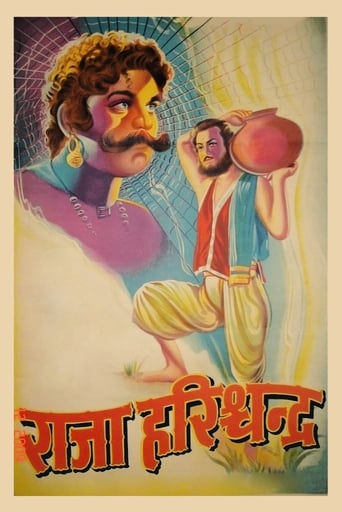
Ganpat G. Shinde was one of the actors in Indian cinema's nascent stages, appearing in some of the earliest feature films produced in India. His the crucial formative years of Indian cinema from 1913 to 1917, during which he worked with the filmmaker Dadasaheb Phalke. Shinde notably appeared in 'Raja Harishchandra' (1913), India's first full-length feature film, which marked the birth of Indian cinema. He continued his acting career with 'The Burning of Lanka' (1917), another significant early Indian film that showcased mythological themes popular in early cinema. As an actor in the silent era, Shinde contributed to establishing the foundation of acting techniques in Indian films before the advent of sound. His performances in these landmark films helped establish the mythological genre that would dominate early Indian cinema. Though his career was brief, spanning just four years, his work represents the very beginning of professional acting in Indian cinema history.
The Craft
On Screen
As a silent era actor, Ganpat G. Shinde employed exaggerated gestures and facial expressions typical of early cinema, where visual storytelling was paramount. His acting style was influenced by traditional Indian theatrical forms, particularly Parsi theatre, which heavily influenced early Indian cinema. In mythological roles, he likely used grand, dramatic movements to convey emotions and narrative elements without dialogue. His performances would have been characterized by the melodramatic style common in early 20th century cinema worldwide, adapted for Indian cultural contexts.
Milestones
- Appeared in India's first feature film Raja Harishchandra (1913)
- Worked with director Dadasaheb Phalke
- Participated in early development of Indian cinema acting techniques
- Appeared in The Burning of Lanka (1917) during formative years of Indian film
Best Known For
Iconic Roles
Must-See Films
Accolades
Special Recognition
- Recognized as one of India's first film actors
- Participated in India's first feature film
Working Relationships
Worked Often With
Studios
Why They Matter
Impact on Culture
Ganpat G. Shinde's contribution to Indian cinema, though brief, was culturally significant as he participated in the very birth of Indian feature filmmaking. His appearance in 'Raja Harishchandra' placed him among the first generation of professional actors in Indian cinema, helping establish the foundation for future performers. By working on mythological subjects, he contributed to the early establishment of genre conventions that would dominate Indian cinema for decades. His work represents the transition from traditional Indian theatrical forms to the new medium of cinema, helping bridge these two art forms.
Lasting Legacy
Ganpat G. Shinde's legacy lies in his participation in India's cinematic genesis, making him a historical footnote in the annals of Indian film history. While not as widely remembered as Dadasaheb Phalke, his contribution as one of the first actors in Indian cinema marks him as a pioneer. His work in the earliest Indian feature films represents the humble beginnings of what would become one of the world's largest film industries. The preservation of his film work, particularly 'Raja Harishchandra', ensures his place in cinema history as one of India's first film actors.
Who They Inspired
As one of the earliest actors in Indian cinema, Ganpat G. Shinde's influence was primarily foundational rather than stylistic. His performances helped establish basic acting conventions for Indian cinema during its silent era. By working in mythological subjects, he contributed to the genre's early development, which would influence countless future Indian films. His collaboration with Dadasaheb Phalke helped establish the director-actor working relationship that would become standard in Indian cinema.
Off Screen
Very little is documented about Ganpat G. Shinde's personal life, which was common for actors in early Indian cinema. Personal details of early film actors were rarely recorded or preserved, as cinema was not yet considered a prestigious profession in India during the 1910s. Most early actors came from theatrical backgrounds or were discovered through local connections.
Did You Know?
- Appeared in India's very first feature film 'Raja Harishchandra' (1913)
- Worked during the silent era of Indian cinema before sound was introduced
- Collaborated with Dadasaheb Phalke, known as the father of Indian cinema
- Participated in establishing the mythological genre in early Indian films
- His active years covered just four years but covered the crucial birth period of Indian cinema
- Early Indian actors like Shinde often worked anonymously with little recognition
- The films he appeared in were made with extremely limited resources and technology
- His performances would have been shot on hand-cranked cameras typical of the era
- Early Indian cinema actors often had to apply their own makeup due to limited crews
Frequently Asked Questions
Who was Ganpat G. Shinde?
Ganpat G. Shinde was one of India's first film actors who appeared in the earliest days of Indian cinema, working between 1913-1917. He is most known for appearing in 'Raja Harishchandra' (1913), India's first full-length feature film, and 'The Burning of Lanka' (1917).
What films is Ganpat G. Shinde best known for?
Titles linked here include Raja Harishchandra (1913), The Burning of Lanka (1917).
When was Ganpat G. Shinde active in cinema?
Ganpat G. Shinde was active in cinema from 1913 to 1917, covering the very early years of Indian feature filmmaking. His career coincided with the birth of Indian cinema and the establishment of its foundational conventions.
What was Ganpat G. Shinde's contribution to Indian cinema?
Ganpat G. Shinde's main contribution was being one of the actors in Indian cinema's earliest days. By appearing in India's first feature film, he helped establish the foundation for professional acting in Indian cinema and participated in the development of early film acting techniques.
Did Ganpat G. Shinde work with any notable filmmakers?
Yes, Ganpat G. Shinde worked with Dadasaheb Phalke, who is widely regarded as the father of Indian cinema. Phalke directed 'Raja Harishchandra' (1913), in which Shinde appeared, making their collaboration historically significant as part of India's first feature film production.