The Burning of Lanka
"Dadasaheb Phalke's Ramayana episode sets Lanka ablaze."
Keys: Space play/pause · ←/→ 10s · F fullscreen · M mute · </> speed
About this film
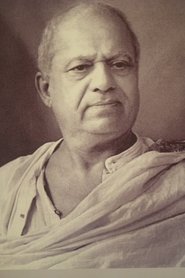
Lanka Dahan (Lanka Aflame) is a 1917 Indian silent film directed by Dhundiraj Govind Phalke (Dadasaheb Phalke). Phalke also wrote the film based on an episode of the Hindu epic Ramayana, credited to Valmiki. A retelling of the familiar 'Ramayana' story of Rama's wife Sita being.
Cast & crew
More films like this
More Drama films
View all →







More from Dhundiraj Govind Phalke
View all →
More about this film
About the production
Release date1917
Box officeUnknown - box office tracking was not systematic in early Indian cinema
ProductionPhalke Films
Filmed inNasik, Maharashtra, India
The film was created using extremely primitive equipment with hand-cranked cameras. Phalke built his own camera and processed the film himself. The special effects, particularly the burning scenes, were achieved using practical effects with real fire, making it dangerous for the actors. The film was shot on celluloid that was extremely flammable, and many early Indian films from this period have been lost due to fires in storage facilities.
Themes
Good vs. EvilDevotion and FaithDivine InterventionJustice and RighteousnessLoyalty and Sacrifice
Themes & topics
RamayanaMythologyHanumanSitaRavanaLankaFireAbductionRescueDivine PowerGood vs EvilHindu EpicSilent FilmIndian Cinema
Historical background
The Burning of Lanka (1917) reached screens through Phalke Films. Exhibitors of the time built silent-era bills that mixed shorts, features, and live acts, so a clear premise helped The Burning of Lanka travel between cities and exchange markets.
Why this film matters
Archivists and revival programmers still cite The Burning of Lanka (1917) when tracing studio habits, casting pools, and the visual rhetoric audiences once took for granted. Even modest surviving prints help map how The Burning of Lanka fit beside competing releases of its day.
Making of
The production of The Burning of Lanka was a remarkable achievement given the technological limitations of 1917 India. Dadasaheb Phalke had to import film stock from England and build his own camera equipment. The cast faced numerous challenges, including performing in heavy costumes under the hot Indian sun. For the famous burning scenes, the crew used actual fire with minimal safety precautions. Anna Salunke, who played both Sita and Rama, had to master different mannerisms and body language for each character. The film was processed in makeshift darkrooms, and Phalke often worked through the night to develop the footage. The production team created elaborate sets and props by hand, drawing from traditional Indian art and temple architecture for inspiration.
What critics said
Trade coverage around 1917 discussed The Burning of Lanka for pacing, clarity, and program fit rather than blockbuster grosses. Later writers value it as evidence of period style and as a reference point beside other films from the same era.
Did you know?
- Anna Salunke, a male actor, played both Sita and Rama in the production, as was common in early Indian cinema when women were reluctant to act in films
- This was one of the first Indian films to achieve commercial success and establish mythological films as a popular genre
- Dadasaheb Phalke not only directed but also wrote the screenplay, handled cinematography, and processed the film himself
- The film's success led to Phalke establishing a proper film studio and production company
- Only fragments of the production are known to survive today, making it a partially lost film
- The burning of Lanka scenes were considered revolutionary special effects for their time
- Phalke traveled to London to learn filmmaking techniques before returning to India to make the production
- The film was shot outdoors in natural light as artificial lighting equipment was not available in India at the time
- This was one of the earliest feature-length films produced in India
- The film's success proved that Indian audiences would embrace films based on their own cultural and religious stories
Visual style
The cinematography of The Burning of Lanka was remarkable for its time, considering the limitations of equipment available in 1917 India. Phalke used natural lighting to create dramatic effects, particularly in the burning scenes where the flickering firelight created an ominous atmosphere. The camera work included innovative techniques such as close-ups to emphasize emotional moments and wide shots to establish the grand scale of Lanka. The film utilized multiple camera angles, which was advanced for the period, to create visual interest and narrative clarity. The cinematography successfully captured the epic nature of the Ramayana story while working within the technical constraints of silent film era equipment.
Innovations
The Burning of Lanka showcased several technical achievements that were groundbreaking for Indian cinema in 1917. The film featured impressive special effects, particularly in the burning of Lanka sequence, which used practical effects and clever editing techniques. Phalke developed innovative methods for creating the illusion of massive destruction using miniatures and forced perspective photography. The film also demonstrated advanced makeup and costume techniques to transform actors into mythological characters. The use of multiple camera setups and varied shot compositions showed a sophisticated understanding of cinematic language. Perhaps most significantly, the film proved that complex mythological stories could be effectively told through the medium of silent film, requiring visual storytelling techniques that transcended dialogue.
Music
As a silent film, The Burning of Lanka had no recorded soundtrack. However, during theatrical screenings, live musical accompaniment was typically provided. This usually included traditional Indian instruments like harmonium, tabla, and sitar, along with Western instruments like piano or violin. The music would be improvised by musicians to match the on-screen action, with different ragas (musical modes) used to convey different emotions. During the burning scenes, faster-paced music would create tension, while devotional songs would accompany scenes with Sita. The live musical performances were an integral part of the cinematic experience and varied from theater to theater.
Famous quotes
As a silent film, dialogue was conveyed through intertitles and visual acting rather than spoken quotes
Memorable scenes
- Hanuman setting his tail ablaze and leaping across Lanka, creating a trail of fire that destroys the city
- Hanuman discovering Sita in the tulasi garden and delivering Rama's message
- The dramatic reveal of Hanuman's true divine form to Ravana's court
- Sita refusing Ravana's proposals and maintaining her devotion to Rama
- The final scenes of Lanka burning as Hanuman escapes to return to Rama
What audiences thought
The Burning of Lanka was a tremendous commercial success, drawing large crowds across India. Audiences were particularly moved by seeing familiar religious stories depicted on screen for the first time. The film's success was especially notable because it proved that Indian films could compete with imported foreign films for audience attention. Many viewers reportedly had emotional reactions to the film, with some even performing prayers during screenings. The film's popularity extended beyond urban centers to rural areas, where traveling exhibitors would show it using portable projectors. The success of the production encouraged other filmmakers to explore mythological subjects, leading to a boom in religious-themed films throughout the 1920s and 1930s.
Film connections
Influenced by
- Ramayana by Valmiki
- Traditional Indian Temple Art
- Indian Folk Theater (Jatra)
- Classical Indian Dance Forms
- Mythological Paintings
- Early Western Silent Films
This film influenced
- Subsequent Indian mythological films
- Later Ramayana adaptations
- Indian religious cinema of the 1920s-1930s
- Modern Indian epic films
Film restoration
Partially lost film - only fragments and still photographs survive. The National Film Archive of India has preserved what remains of the film, but complete copies are not known to exist. Like many films from this era, much of the original footage was lost due to the unstable nature of early nitrate film stock and inadequate storage conditions.
Where to watch
- The film is not commercially available due to its preservation status. Surviving fragments can sometimes be viewed at film archives specializing in early Indian cinema, such as the National Film Archive of India in Pune. Occasionally, film festivals or special screenings may show the preserved segments. Some still photographs and short clips may be available in documentary films about Dadasaheb Phalke and early Indian cinema.