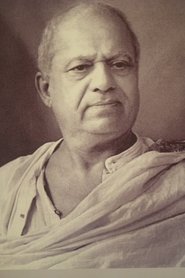
Dhundiraj Govind Phalke
Director
Born: April 30, 1870 in Tryambakeshwar, Maharashtra, India Died: February 16, 1944 Active: 1913-1929
Films
4 films
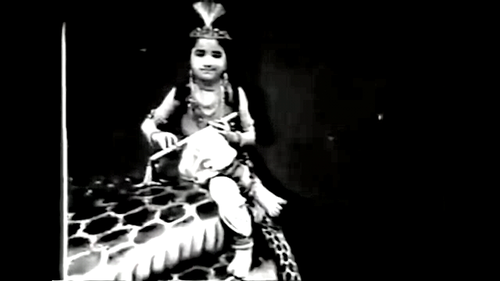
About Dhundiraj Govind Phalke
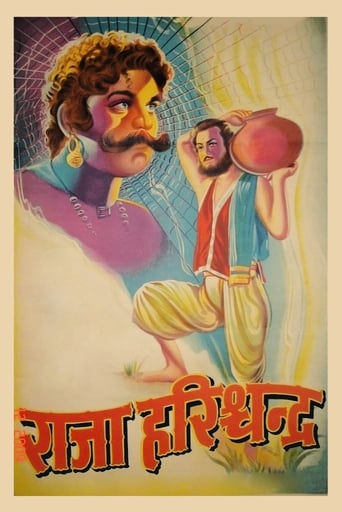
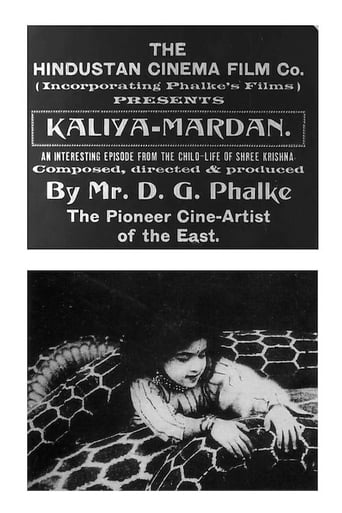
Dhundiraj Govind Phalke, universally known as Dadasaheb Phalke, was an Indian filmmaker who revolutionized the art of cinema in India. Born in 1870 in Maharashtra, he initially worked as a photographer, printer, and magician before discovering his passion for filmmaking after seeing a film about the life of Christ. In 1913, he created 'Raja Harishchandra', India's first full-length feature film, which established him as the father of Indian cinema. He founded Phalke Films and went on to direct over 90 films, primarily focusing on mythological and historical subjects that resonated with Indian audiences. Despite facing constant financial hardships and technical challenges, Phalke continued to innovate and push the boundaries of early Indian cinema until his retirement in 1929. His dedication to preserving Indian cultural narratives through the medium of film laid the groundwork for what would become one of the world's largest film industries. Phalke's legacy extends beyond his films; he trained numerous technicians and artists who would go on to shape Indian cinema for decades.
The Craft
Behind the Camera
Phalke's directing style was characterized by his focus on mythological and historical subjects, adapting traditional Indian theatrical techniques for the cinema medium. He emphasized visual storytelling in silent films, using elaborate sets, costumes, and innovative special effects to bring Indian epics and legends to life. His approach incorporated Indian cultural elements and traditions, making films accessible and relatable to Indian audiences while maintaining artistic integrity and technical innovation for his era.
Milestones
- Made India's first full-length feature film 'Raja Harishchandra' (1913)
- Founded Phalke Films (1914)
- Created over 90 films during his career
- Pioneered mythological genre in Indian cinema
- Established technical foundations for Indian filmmaking
- Trained first generation of Indian film technicians
Best Known For
Must-See Films
Accolades
Won
- Dadasaheb Phalke Award established in his honor (1969)
Special Recognition
- India's highest award in cinema named after him
- Government of India officially recognized as 'Father of Indian Cinema'
- India Post issued commemorative stamps in his honor
- Several biographical films made about his life
- National Film Archive preserves his films as cultural treasures
Working Relationships
Worked Often With
Studios
Why They Matter
Impact on Culture
Dadasaheb Phalke's impact on Indian culture and cinema cannot be overstated. He single-handedly established the foundation of Indian cinema by proving that indigenous stories could be successfully adapted to the film medium. His mythological films helped preserve and popularize Indian cultural narratives, making epics and legends accessible to mass audiences. Phalke's work demonstrated that Indian films could compete with imported foreign films, sparking the growth of a domestic film industry. He created a template for mythological storytelling that dominated early Indian cinema and continues to influence filmmakers today. His films played a crucial role in cultural preservation during the colonial era, documenting and celebrating Indian heritage through the new medium of cinema.
Lasting Legacy
Dadasaheb Phalke's legacy as the father of Indian cinema is immortalized through the Dadasaheb Phalke Award, India's highest honor in cinema, established in 1969. His work laid the technical, artistic, and commercial foundations for what would become the world's largest film industry. Phalke's films are preserved as national treasures, and his life story continues to inspire new generations of filmmakers. The annual celebration of his birth anniversary serves as a reminder of cinema's power to preserve culture and tell national stories. His journey from photographer to filmmaker exemplifies the entrepreneurial spirit and artistic vision that characterizes great cinema pioneers worldwide.
Who They Inspired
Phalke influenced generations of Indian filmmakers by establishing the mythological genre as a commercially viable and culturally significant form of cinema. His technical innovations in special effects, set design, and cinematography set standards for early Indian cinema. He demonstrated that films could be both artistically ambitious and commercially successful while maintaining cultural authenticity. His success inspired regional filmmakers across India to enter cinema, leading to the development of various language film industries. Phalke's integration of traditional Indian theatrical elements with cinematic techniques created a unique aesthetic that continues to influence Indian cinema today, particularly in historical and mythological productions.
Off Screen
Phalke married Saraswatibai in 1893, and their partnership was crucial to his filmmaking career. His wife supported his ambitious projects by selling her jewelry to fund his first film. The couple had several children, including son Chandrakant who became his cinematographer. Despite his success, Phalke faced constant financial difficulties throughout his life, often struggling to complete projects due to budget constraints. His family frequently participated in his films out of necessity, as he couldn't always afford professional actors. Phalke's dedication to cinema came at great personal cost, but he remained committed to his artistic vision until his death in 1944.
Education
Attended Sir J.J. School of Art, Mumbai; studied photography and printing techniques; trained as a photographer in Kolhapur; traveled to London to learn filmmaking techniques from Cecil Hepworth
Family
- Saraswatibai Phalke (1893-1944)
Did You Know?
- Sold his wife's jewelry to fund his first film 'Raja Harishchandra'
- Traveled to London in 1912 to learn filmmaking techniques
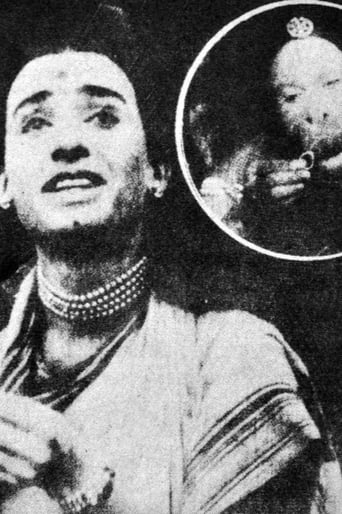
- Often had to play female roles himself when actresses were unavailable
- Made films in multiple languages including Hindi and Marathi
- His first film was originally over 4 hours long, though only 40 minutes survive today
- Worked as a magician and photographer before becoming a filmmaker
- Made an educational film about growing cotton to help farmers
- Temporarily retired from filmmaking in 1920 due to financial difficulties
- Returned to filmmaking in 1927 with 'Setu Bandhan'
- His last film 'Gangavataran' (1937) was India's first sound film made by him
In Their Own Words
Cinema is a medium that can reach the masses and educate them while entertaining
I saw the potential of cinema to tell our own stories to our own people
Making films is not just art, it's a service to the nation and culture
The camera is the modern paintbrush, and film is the canvas of our times
I wanted to show the world that Indian stories deserved to be told on screen
Frequently Asked Questions
Who was Dhundiraj Govind Phalke?
Dhundiraj Govind Phalke, known as Dadasaheb Phalke, was an Indian filmmaker widely regarded as the father of Indian cinema. He made India's first full-length feature film 'Raja Harishchandra' in 1913, establishing the foundation of the Indian film industry and creating over 90 films during his career.
What films is Dhundiraj Govind Phalke best known for?
Titles linked here include Raja Harishchandra (1913), Lanka Dahan (1917).
When was Dhundiraj Govind Phalke born and when did he die?
Born April 30, 1870; died February 16, 1944.
What awards did Dhundiraj Govind Phalke win?
While he worked before the era of formal film awards, India's highest award in cinema, the Dadasaheb Phalke Award, was established in 1969 in his honor. He is also commemorated with national recognition as the father of Indian cinema and commemorative postage stamps.
What was Dhundiraj Govind Phalke's directing style?
His directing style focused on mythological and historical subjects, adapting traditional Indian theatrical techniques for cinema. He emphasized visual storytelling in silent films, used innovative special effects, and incorporated Indian cultural elements to make films accessible to mass audiences.
How did Dhundiraj Govind Phalke influence Indian cinema?
He established the foundation of Indian cinema, pioneered the mythological genre, proved Indian stories could succeed on film, and inspired generations of filmmakers. His work demonstrated cinema's potential to reach and educate Indian masses while preserving cultural heritage.
What challenges did Dhundiraj Govind Phalke face?
He faced constant financial difficulties, had to sell his wife's jewelry to fund his first film, dealt with social criticism for bringing religious stories to cinema, struggled with distribution challenges, and worked with limited technical resources in early Indian cinema.
Why is Dhundiraj Govind Phalke called the father of Indian cinema?
He earned this title by making India's first full-length feature film in 1913, establishing technical and artistic foundations for Indian filmmaking, creating a body of work that defined early Indian cinema, and inspiring future generations of filmmakers to tell Indian stories on screen.