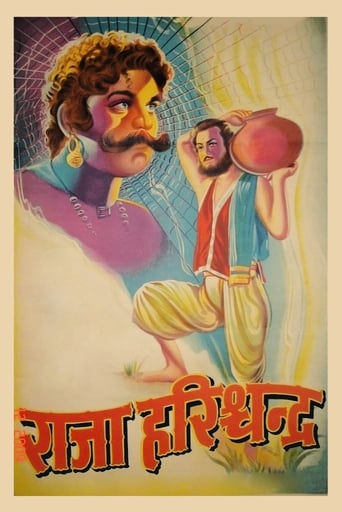
Films
2 films
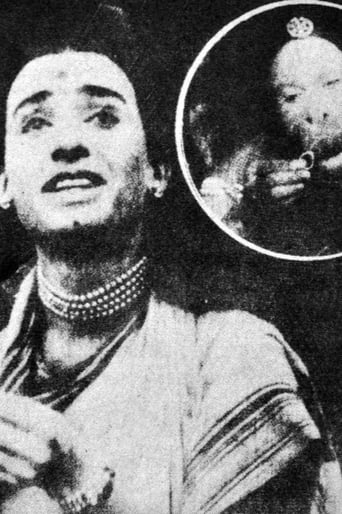
About Anna Salunke
Actor in Indian cinema's silent era, best known for being one of the first performers to play female roles in Indian films. He made his debut in Dadasaheb Phalke's landmark film 'Raja Harishchandra' (1913), where he portrayed the character of Queen Taramati, marking him as one of India's first cross-dressing actors. Salunke continued his collaboration with Phalke, appearing in several of his early productions including 'The Burning of Lanka' (1917), where he played the role of Sita. During this period, Indian society was conservative about women appearing in films, leading male actors like Salunke to take on female roles. His performances were instrumental in establishing the dramatic conventions of early Indian cinema, particularly in mythological narratives. Salunke's career was relatively brief, spanning roughly from 1913 to 1917, coinciding with the formative years of Indian filmmaking. Despite the limited duration of his career, his contributions were significant in paving the way for future generations of actors and the eventual acceptance of women in Indian cinema.
The Craft
On Screen
Anna Salunke's acting style was characteristic of early silent cinema, emphasizing exaggerated gestures and facial expressions to convey emotions without dialogue. As a male actor playing female roles, he developed a distinctive approach to embodying feminine grace and dignity within the constraints of early 20th century Indian social norms. His performances in mythological roles required him to master the traditional Indian aesthetic of female beauty and virtue, using elaborate costumes, makeup, and stylized movements to create believable female characters on screen.
Milestones
- Played Queen Taramati in India's first feature film 'Raja Harishchandra' (1913)
- Portrayed Sita in 'The Burning of Lanka' (1917)
- Pioneered cross-dressing in Indian cinema
- Collaborated with Dadasaheb Phalke, the father of Indian cinema
Best Known For
Iconic Roles
Must-See Films
Accolades
Special Recognition
- Recognized as one of India's first film actors
- Honored in film history for cross-gender performances in Indian cinema
Working Relationships
Worked Often With
Studios
Why They Matter
Impact on Culture
Anna Salunke's cultural impact extends beyond his brief film career, as he represents a crucial transitional moment in Indian cinema history. His willingness to play female roles at a time when social taboos prevented women from entering the film industry helped establish the foundation for mythological filmmaking in India. Salunke's performances demonstrated that cinema could successfully adapt India's rich mythological heritage to the new medium, influencing countless subsequent films in this genre. His work contributed to breaking down barriers that would eventually allow women to enter the Indian film industry, though this process would take several more years to fully realize.
Lasting Legacy
Anna Salunke's legacy is primarily preserved in film history books and academic studies of early Indian cinema. He is remembered as one of the first actors to appear in Indian feature films and as a pioneer who helped establish the dramatic conventions of Indian cinema. His performances in the foundational works of Dadasaheb Phalke have been studied by film scholars as examples of early cinematic storytelling techniques. Salunke represents the spirit of experimentation and courage that characterized the birth of Indian cinema, where performers had to overcome social obstacles and technical limitations to create a new art form.
Who They Inspired
Anna Salunke influenced subsequent generations of Indian actors by demonstrating the possibilities of character transformation and dedication to craft. His success in female roles helped normalize the practice of cross-gender performance in early Indian cinema, which continued until women became more accepted in the film industry. His work with Dadasaheb Phalke established a template for mythological storytelling in Indian cinema that would influence directors and actors for decades. Contemporary film historians and scholars often reference Salunke when discussing the evolution of gender representation in Indian cinema and the industry's early struggles with social acceptance.
Off Screen
Very little is documented about Anna Salunke's personal life, which was common for early Indian cinema actors whose private details were rarely recorded. Like many early film performers, he came from a theatrical background, which provided him with the skills needed for film acting. His decision to play female roles, while controversial by some standards, was accepted within the theatrical tradition where gender-crossing performance had historical precedents.
Did You Know?
- Male actor who specialized in playing female roles in early Indian cinema
- He was one of the first actors to appear in India's first full-length feature film
- His role as Queen Taramati in 'Raja Harishchandra' made him one of India's first film actors
- The practice of men playing female roles was common in early Indian cinema due to social restrictions on women
- Salunke worked closely with Dadasaheb Phalke, considered the father of Indian cinema
- His performances helped establish the visual language of mythological films in India
- The films he appeared in are now considered priceless artifacts of Indian cinematic heritage
- Early Indian cinema actors like Salunke often came from traditional theater backgrounds
- His active years covered the crucial formative years of Indian cinema from 1913-1917
- The success of his female roles helped demonstrate cinema's potential as a storytelling medium in India
Frequently Asked Questions
Who was Anna Salunke?
with credits in this catalog. He appeared in India's first feature film 'Raja Harishchandra' (1913) and worked with director Dadasaheb Phalke, establishing himself as one of the first cross-dressing actors in Indian film history.
What films is Anna Salunke best known for?
Titles linked here include Raja Harishchandra (1913), The Burning of Lanka (1917).
When was Anna Salunke born and when did he die?
Specific birth and death dates for Anna Salunke are not documented in available historical records, which is common for early Indian cinema actors. He was active during the period 1913-1917 and was of Indian origin, but precise biographical details remain unknown.
What awards did Anna Salunke win?
Anna Salunke did not receive formal awards during his career, as the Indian film industry was in its infancy and award systems had not yet been established. His recognition comes primarily from his historical significance as one of India's first film actors and pioneers in early cinema.
What was Anna Salunke's acting style?
Anna Salunke's acting style was typical of silent cinema, featuring exaggerated gestures and facial expressions to convey emotions without dialogue. As a male actor playing female roles, he developed techniques to embody feminine grace within early 20th century Indian social norms, using costumes and stylized movements to create believable female characters.